
Livraison le jour même et le lendemain

Qualité garantie

Débloquez vos offres de bienvenue: Livraison GRATUITE | Jusqu'à -80 % | 30 jours d'essai gratuits à JoyPlus
Téléchargez l'application
Moist toilet tissue can be a useful addition to dry toilet paper, whether you are using the toilet while out and about or caring for a baby. However, many packs look very similar. Claims such as “natural”, “flushable” or “for sensitive skin” do not always tell the full story.
The main pitfalls are easy to avoid:
Below, I explain which features you can verify and which type of moist toilet tissue is best suited to different situations.
The terms flushable moist toilet tissue, “water-dispersible” and “suitable for use in the toilet” are not used consistently everywhere. Therefore, look for:
According to the product information for Page Aloe Vera Wet Toilet Paper, the wipes are 100% flushable, biodegradable and made from natural fibres. The manufacturer also states that the product meets the INDA/EDANA flushability standard. This is verifiable product information, but you should always follow the label and local sewage guidance as well.
Not every moist wipe belongs in the toilet. BC Babycare Baby Wipes and Pampers Sensitive wipes explicitly state that they must not be flushed. Baby wipes and moist wipes for everyday use should therefore generally go in the bin, even when they are plastic-free or biodegradable.
For adults and children with sensitive skin, these features are particularly relevant:
According to the product description, Page Fresh & Soft is fragrance-free, alcohol-free, dye-free and pH skin-neutral. The wipes are also plastic-free and dermatologically tested, as stated by the manufacturer. “Dermatologically tested” does not guarantee that everyone will tolerate the product well. Stop using it if irritation occurs.
With aloe vera toilet tissue, it is advisable to check that aloe vera is actually listed among the ingredients. An extract may contribute to the desired experience, but it is still important to check the full composition. Even fragrance-free moist toilet tissue may contain preservatives.
A pack of 40 wipes is practical for a bag, guest room or short trip. For a family, a multipack may offer better value. Therefore, compare:
Thicker wipes may feel more comfortable and be less likely to tear, but they also take up more space. With daily use, it is also worth considering how many wipes you need each time you clean yourself.
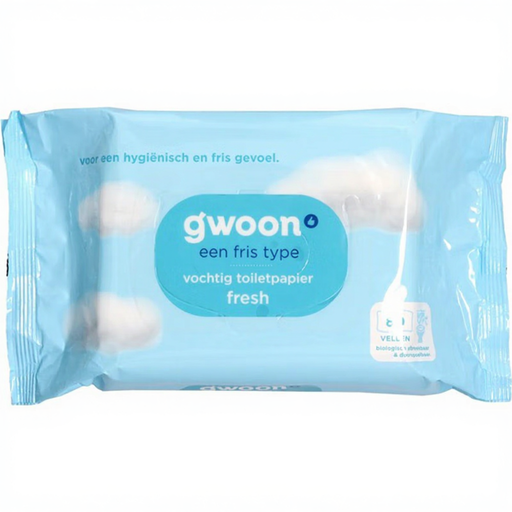
Why it suits this profile: A simple pack of 80 wipes for anyone wanting to try moist toilet tissue for the first time or keep a limited supply in stock.
The packaging clearly states: do not flush. This reduces confusion about how to use and dispose of the product.
80 wipes per pack and an ingredients list including aloe vera, chamomile and glycerine. However, the product does contain perfume.
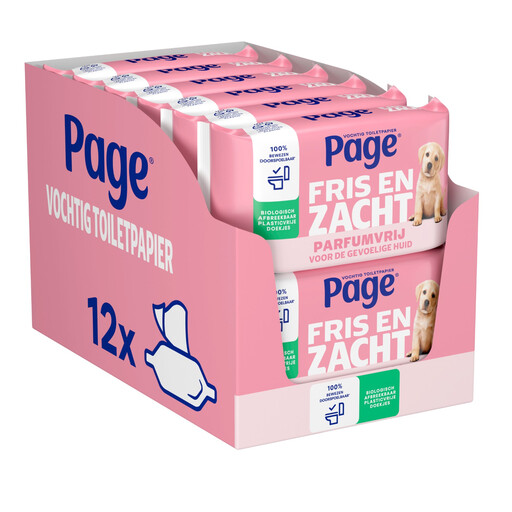
Why it suits this profile: Designed for users who value fragrance-free moist wipes, natural fibres and a clear flushability claim.
The product information lists 456 wipes, resealable packaging, a fragrance-free formula and the INDA/EDANA standard for flushability.
12 packs of 38 wipes, plastic-free wipes, aloe vera and, according to the manufacturer, a pH skin-neutral and dermatologically tested formula.
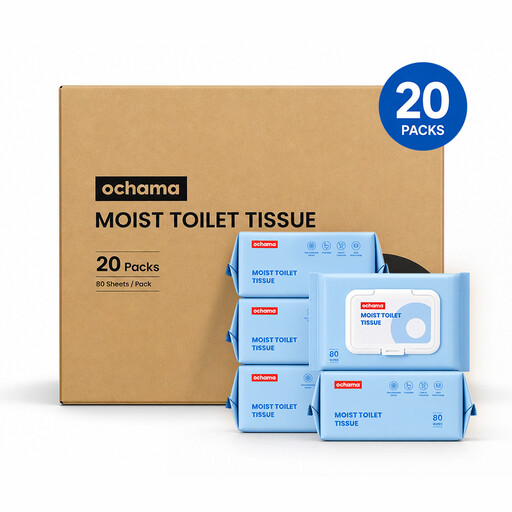
Why it suits this profile: The bulk pack is intended for families or households that use a large number of wipes every day.
The product information states that the wipe is flushable, but recommends flushing only a small amount at a time because of the thick material.
20 packs of 80 wipes, made from wood pulp and water. The packaging is suitable for keeping a long-term supply, provided it is properly sealed and stored in a dry place.
Baby wipes are often thicker and wetter than moist toilet tissue. They are designed for cleaning skin, but are not necessarily suitable for flushing. According to the product description, BC Babycare wipes contain 99% purified water, are fragrance-free and made from plastic-free plant-based fibres. The manufacturer also states that they are OEKO-TEX certified and must not be flushed.
According to the product information, Pampers Sensitive Plastic Free Baby Wipes are alcohol-free, fragrance-free and made from plant-based fibres. The packaging contains 15 packs of 52 wipes. The same applies here: put them in the bin after use, not down the toilet.
If you have sensitive skin, check the ingredients list and test a new product on a small area of skin first. Do not use moist wipes on damaged skin, and stop using them if redness or discomfort occurs.
We have put together a complete, up-to-date list of products that fully meet these strict selection criteria and the applicable European safety regulations.
No. Only products whose packaging explicitly says so are designed to be flushed. Also check the usage instructions and do not flush large quantities at once. If in doubt, putting them in the bin is the safer choice.
This varies from product to product. Close the flap after each use, store the pack somewhere cool and dry, and follow the expiry information on the packaging. An opened pack can dry out more quickly, particularly in a warm bathroom.
That depends on the formulation. For both types, preferably choose fragrance-free, alcohol-free wipes with a short ingredients list. Baby wipes are often thicker and suitable for cleaning skin, but usually must not be flushed. Moist toilet tissue can be more practical after using the toilet, as long as the flushability information is clear.
