
Vandaag of morgen in huis

Kwaliteit gegarandeerd

Welkomstaanbiedingen ontgrendelen: GRATIS bezorging | Tot 80% korting | Gratis 30 dagen JoyPlus-proefperiode
Download de app
Wet toilet paper can be handy after using the loo, during potty training, or when you’re on the go. Yet many packs look similar, while the differences in composition, size, packaging and usage advice really matter. A low price per pack isn’t automatically good value if the wipes dry out quickly or aren’t suitable for flushing.
The term flushable doesn’t mean you can flush an unlimited number of wet wipes all at once. Some products explicitly advise flushing one wipe at a time. With thicker varieties, it’s sometimes recommended to use only small amounts to reduce the risk of blockages.
Always check the following:
If in doubt, used wet toilet paper belongs in the bin. A product that isn’t flushable, such as the g’woon variant with 80 wipes, should not be flushed down the toilet according to the product information.
Words like “mild”, “natural” and “for sensitive skin” don’t mean much on their own. Check the ingredients list and look out for potential fragrances, alcohol, dyes and preservatives. A fragrance-free option may be more suitable if you prefer to avoid scents, but every skin reacts differently.
According to the product description, some wet toilet wipes are dermatologically tested, pH-skin-neutral or hypoallergenic. These are the brand’s claims and not a guarantee that irritation won’t occur for everyone. Use wipes only externally and stop if you notice redness or irritation.
A value pack of wet toilet wipes might look appealing, but also pay attention to the size of each wipe, the thickness and the closure. A large pack is less practical if several packs are open at the same time and dry out as a result. For a family, a bulk pack can make sense, while a smaller pack is better suited to a bag or a toilet room with limited storage space.
With flushable wet wipes, the fibres used and how well the wipe breaks down are relevant. BC Babycare, for example, states that the Cloud Max wipes are made from 100% plant-based fibres and, according to the product description, have IWSFG certification. The brand also mentions a disintegration rate of 98.5% in 30 minutes according to the stated test information.
Page products state that they meet the INDA/EDANA standard for flushability and are biodegradable. According to the product description, these wipes are also plastic-free and made from natural fibres. Always check the current packaging and usage instructions for each product; standards and claims apply to the specific variant.
For daily use, the following details are practical:
A product with aloe vera or shea butter shouldn’t automatically be considered nourishing or medically effective. These are ingredients mentioned in the product description.
A resealable flap helps to retain moisture, according to the usage instructions. So close the pack properly after every use and store it in a cool, dry place away from direct sunlight and heat. With larger packs, pay attention to the number of individual packs. Twelve packs of 38 wipes, for example, are more practical to distribute than one large, awkward pack.
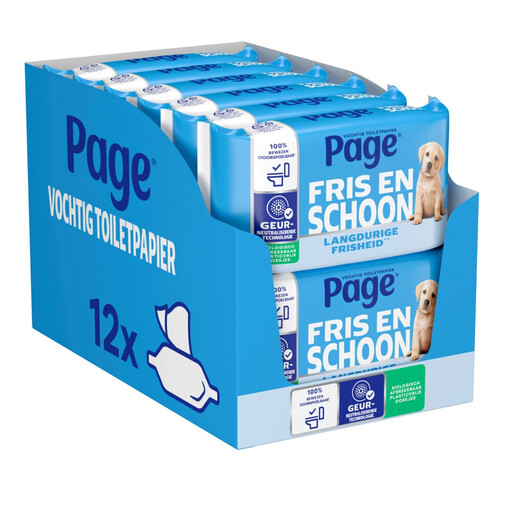
Why this fits the profile: The twelve packs provide stock for regular use in a household. According to the product description, the wipes are lightly fragranced and contain micellar water.
The packaging states 12 individual packs, so you don’t have to open all the wipes at once. According to the product description, they meet the INDA/EDANA standard.
456 wipes in total; natural fibres and recyclable packaging according to the product information.
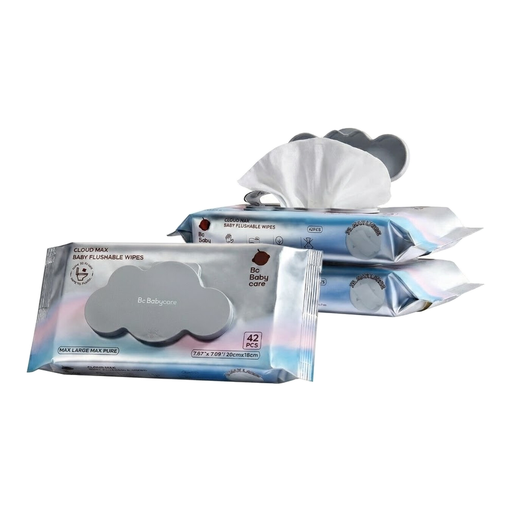
Why this fits the profile: The extra-large wipes are designed by BC Babycare for the whole family, from young children to adults.
The product description mentions a larger size, fragrance-free composition and a warning to flush one wipe at a time.
126 wipes; 100% plant-based fibres and 99% water according to the product information.
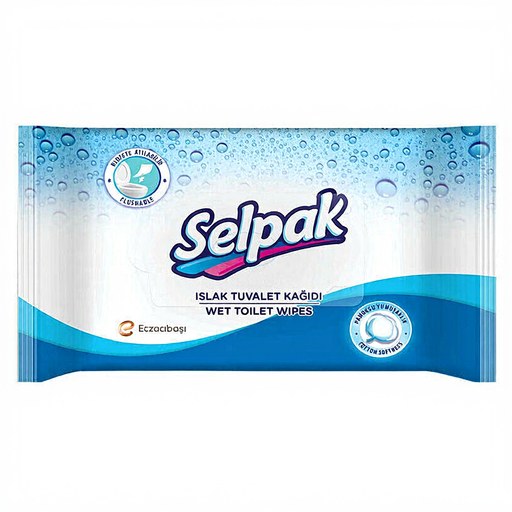
Why this fits the profile: This variant is aimed at daily adult use and has a resealable pack for home or on the go.
The product information states alcohol-free, fragrance-free and advises closing the pack properly. It also recommends following the flushing advice for your own drainage system.
42 wipes; fragrance-free and alcohol-free formula and resealable pack according to the product details.
We’ve put together a full, up-to-date list of products that fully meet these strict selection criteria and comply with current European safety regulations.
Use wet toilet paper preferably after dry toilet paper. This limits the number of wipes you need. Only flush when the product information allows it and stick to the stated amount. Always dispose of non-flushable wipes in a bin.
For children during potty training, supervision is sensible. Keep the pack out of reach of young children and don’t let children put the wipe in their mouth. If you have sensitive skin, it’s wise to check the ingredients and usage advice first.
No. Some wet wipes are intended for the bin. Check the product packaging and the specific product information. Even flushable wet wipes usually need to be flushed one at a time.
Close the flap or resealable pack immediately after use. Store the pack in a cool, dry place, not on a warm windowsill or next to a radiator. With value packs, it’s practical to open one pack at a time.
Not automatically. “Biodegradable” and “flushable” are different properties. Check both claims separately and follow the usage advice. With a septic tank, narrow drain or older pipes, it may be wise not to flush used wipes, even if the packaging says they’re flushable.
