
Vandaag of morgen in huis

Kwaliteit gegarandeerd

Welkomstaanbiedingen ontgrendelen: GRATIS bezorging | Tot 80% korting | Gratis 30 dagen JoyPlus-proefperiode
Download de app
The shelves are packed with bottles of water, each with a more appealing label than the last. But how do you choose the right mineral water? It's easy to overpay for a brand name or select the wrong packaging for your needs. Before you stock up on another case, it's wise to consider a few common pitfalls.
Many people fall into the marketing trap of expensive brands, when a different, more affordable water might better suit their needs. Another mistake is ignoring the packaging: a case of small water bottles is convenient on the go, but for home use, it's often unnecessarily expensive and has a larger environmental footprint. Let's separate the facts from the marketing hype so you can make an informed decision.
Before you make a choice, there are a few specifications that make all the difference. Paying attention to these details will help you avoid a bad purchase and find the water that's truly right for you.
The first choice is often the easiest, but it's essential. What you choose depends entirely on your personal preference and how you plan to use it.
The label on a bottle of mineral water often includes the term dry residue (or 'dry residue at 180°C'). This sounds technical, but it simply tells you how many minerals are dissolved in the water.
The choice is personal. A low dry residue isn't necessarily 'better' than a high one; it depends on your taste preferences and dietary needs.
The packaging is more important than you might think. The right choice can save you money and is better for the environment.
To help you choose, we've highlighted a few products that suit different needs and situations.
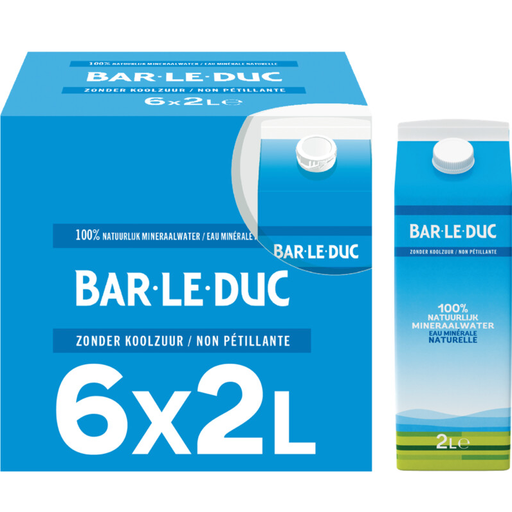
Why This Fits Their Persona: The large 2-litre bottles are ideal for daily hydration at home. This reduces the number of individual bottles and ensures there's always a supply for the whole family.
You're not paying for a premium brand name, but for reliable water suitable for everyone. According to the manufacturer, it's ideal for preparing baby formula and for low-sodium diets, without the high cost of small bottles.
The bulk packaging (6x2L) offers excellent value for money. The water has a balanced mineral composition.
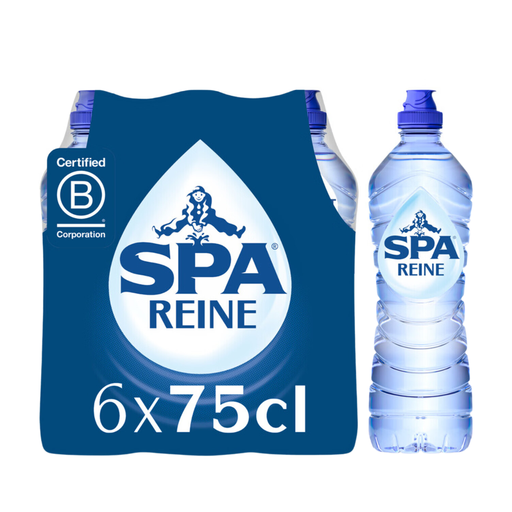
Why This Fits Their Persona: The 75cl bottle with a sports cap is perfect for on the go or during a workout. It's easy to open and close without spilling, and the size is just right for a training session.
Instead of lugging around cumbersome large bottles or buying expensive single bottles on location, this offers a practical and cost-effective solution for hydration away from home.
Convenient sports cap and a size that fits perfectly in a gym bag. The water is very lightly mineralised (low dry residue) and low in sodium.
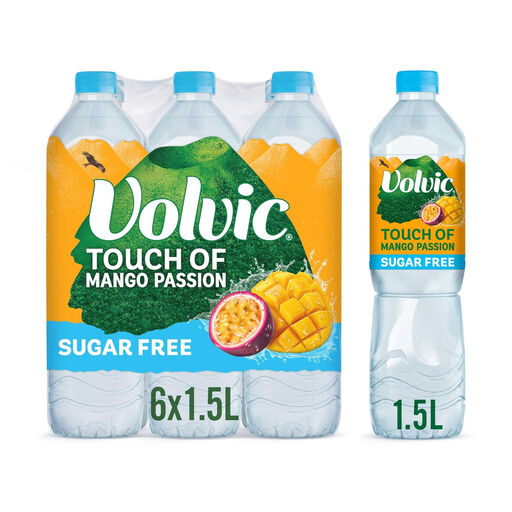
Why This Fits Their Persona: This flavoured water offers a refreshing tropical twist without the sugar and calories of soft drinks. Ideal for those who find still water too plain but still want to stay hydrated.
This avoids the pitfall of choosing sugary drinks when you're looking for flavoured hydration. It contains sweeteners instead of sugar, keeping it low in calories.
Subtle fruit flavour (mango and passion fruit) with only 1 kcal per 100 ml. Packaged in convenient 1.5-litre bottles for home use.
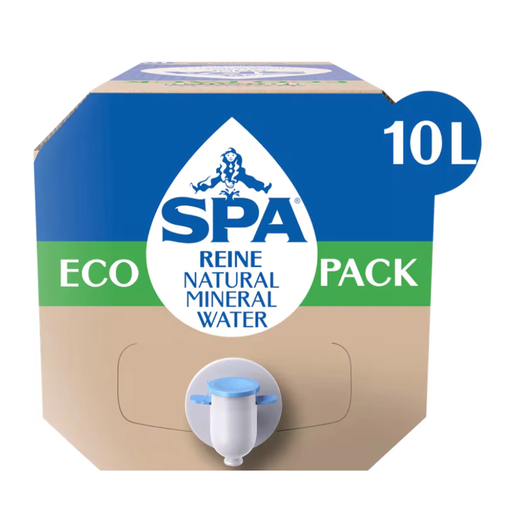
Why This Fits Their Persona: The 10L Eco-Pack significantly reduces plastic waste compared to individual bottles. It's ideal for the office or for households that consume a lot of water and are mindful of packaging.
It counters the waste and relatively high cost of countless small water bottles. A conscious choice for both your wallet and the planet, without compromising on water quality.
Large 10-litre capacity with a convenient tap. According to the manufacturer, the packaging provides a significant reduction in plastic, and the cardboard is largely recycled.
We have compiled a complete, up-to-date list of products that meet these selection criteria and comply with local regulations.
Natural mineral water must come from a recognised underground source and be bottled directly at the source. Its mineral composition is stable. Spring water also comes from an underground source, but its composition doesn't have to be stable, and it can be bottled in different locations. Tap water in many countries is of very high quality, sourced from ground or surface water, and undergoes a purification process. The choice is often based on taste, convenience (bottled water), or a specific mineral composition.
For preparing baby formula, water with a very low mineral and sodium concentration is recommended. Look for the phrase 'suitable for the preparation of baby food' on the label. Brands like Spa Reine and Bar-le-Duc explicitly state this on their packaging because their water has a very low dry residue and a low sodium content. Always follow the instructions from the baby formula manufacturer.
Store bottles of mineral water in a cool, dry, and dark place, away from direct sunlight and strong-smelling products. Plastic bottles can absorb odours from their surroundings. Once opened, it's best to store the bottle in the refrigerator and consume it within a few days to maintain its freshness. Always ensure the cap is tightly sealed.
