
Vandaag of morgen in huis

Kwaliteit gegarandeerd

Welkomstaanbiedingen ontgrendelen: GRATIS bezorging | Tot 80% korting | Gratis 30 dagen JoyPlus-proefperiode
Download de app
Flavoured water is a practical alternative to fizzy drinks or plain water. You’ll find sparkling water with fruit flavours, mineral water with fruit, vitamin water and fruit water in all sorts of sizes. But an attractive fruit flavour on the label doesn’t tell you everything about what’s inside.
When you shop online, there are three main pitfalls to watch out for:
The right choice therefore depends on flavour, fizz, nutritional values, size and when you plan to drink the water.
Look at the nutritional information per 100 ml rather than just the front of the pack. That makes it easier to compare products.
Examples from the range:
Also watch out for terms like “light” or “vitamin water”. A product can be low in calories but still contain sweeteners. For example, Sourcy Vitamin Water lists 0 grams of sugar and 1 kcal per 100 ml. The variants also contain added vitamins, minerals and, in some cases, guarana or tea extract. So always check the full ingredients list if you want to avoid caffeine or certain additives.
The level of carbonation affects the drinking experience. Lightly sparkling water has a softer mouthfeel, while strongly sparkling mineral water gives more of a kick. For a meal or social occasion, a 1-litre bottle can be handy. For sport, work or school, smaller packs are easier to chill and carry.
A product made with natural mineral water is not the same as a flavoured fizzy drink. Check whether it contains:
With g'woon Blueberry Sparkling Mineral Water and g'woon Carbonated Mineral Water Raspberry, the ingredients consist of carbonated natural mineral water and natural fruit flavour, according to the product information. Both variants state 0 kcal and 0 grams of sugar per 100 ml.
A large 1.5-litre bottle fits well in the fridge and is suitable for a family, barbecue or office. Once opened, the bottle must be kept refrigerated and used within the period stated on the pack. With sparkling water, the fizz will gradually fade.
Smaller packs are more interesting when you want to take portions with you. Beypazari Limonlu Soda is available in 200 ml bottles. Volvic and Charlie’s come in multipacks of smaller bottles or cans. When comparing multipacks, don’t just look at the price per pack – also compare the total volume per litre.
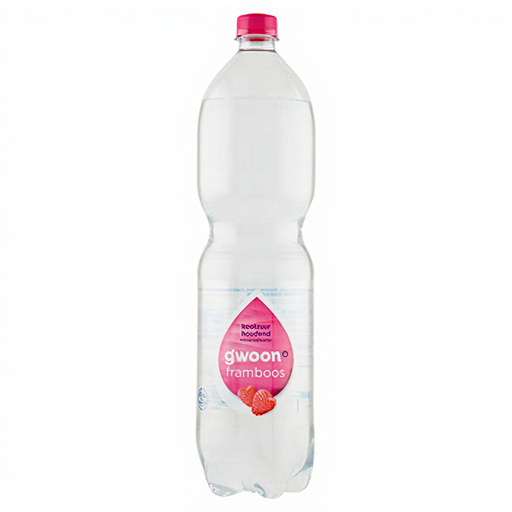
Why this fits the profile: A large-format raspberry-flavoured water for home, with no sugar according to the stated nutritional values.
The product information lists no sugar and shows a short ingredients list: carbonated natural mineral water and natural raspberry flavouring.
1.5-litre volume; 0 kcal and 0 grams of sugar per 100 ml according to the product details.
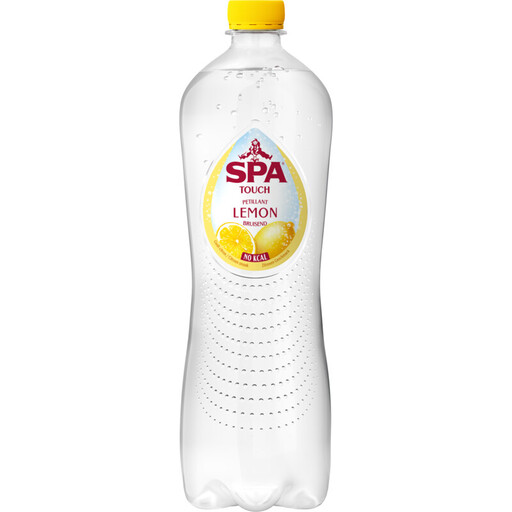
Why this fits the profile: Ideal for anyone who wants strongly sparkling lemon water without sugar, sweeteners or any other listed additives.
The stated ingredients consist of 99.9% carbonated natural mineral water with lemon and lime flavouring.
1 litre volume; 0 kcal, 0 grams of sugar and 0 grams of salt per 100 ml according to the product information.
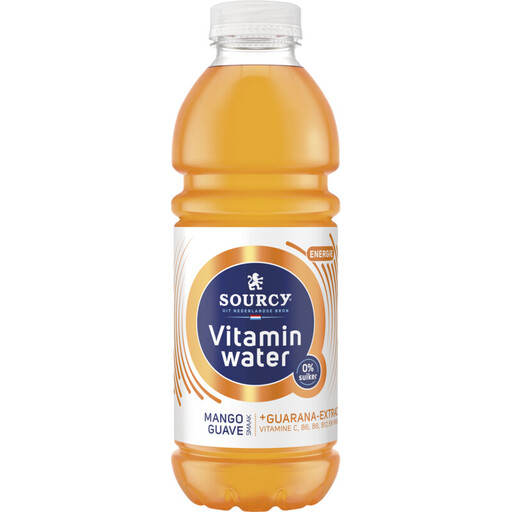
Why this fits the profile: A still vitamin water with mango and guava flavour for anyone looking for a flavoured drink without sugar.
The product details show 0 grams of sugar and 1 kcal per 100 ml. The addition of sweeteners and guarana extract is also clearly listed in the ingredients.
1 litre volume; contains vitamin C, B6, B12, biotin and magnesium; sugar-free according to the nutritional information table.
We’ve put together a full, up-to-date list of products that fully meet these strict selection criteria and comply with current European safety regulations.
Not always. Check the nutritional information table and ingredients list. Spa Touch Sparkling Lemon, g'woon Blueberry Sparkling Mineral Water and g'woon Carbonated Mineral Water Raspberry state 0 grams of sugar. Other variants, such as Beypazari Limonlu Soda, do contain sugar. What’s more, a sugar-free product may still contain sweeteners.
Once opened, keep the bottle in the fridge and follow the date on the pack. With sparkling water, it’s a good idea to seal the bottle tightly, otherwise the fizz will disappear more quickly. With multipacks and large bottles, think about how much you’ll realistically use within a few days.
That depends on the brand, volume, packaging and quantity you buy. Compare the price per litre rather than just the price per bottle. A 1.5-litre bottle of water can be good value per litre for home use, while smaller bottles offer more convenience on the go. Also check the sugar, sweeteners and fruit juice percentage, so you’re not just making your decision based on price.
