
Vandaag of morgen in huis

Kwaliteit gegarandeerd

Welkomstaanbiedingen ontgrendelen: GRATIS bezorging | Tot 80% korting | Gratis 30 dagen JoyPlus-proefperiode
Download de app
A Korean skincare routine often revolves around several lightweight layers, but a face mask can be a targeted addition when your skin feels dry, tight or dull. There is plenty of choice, from Korean sheet masks and hydrogel face masks to overnight face masks with collagen or PDRN.
However, eye-catching packaging or a long ingredients list does not tell you everything. As a Joybuy Product Recommendation Officer, I focus mainly on verifiable product information, ease of use and how well a product suits your skin type. This helps you avoid paying for a product that does not fit into your routine.
Words such as collagen, PDRN, glutathione and “barrier care” sound appealing. However, they do not automatically tell you how your skin will respond. The results depend on factors including the complete formula, concentration, contact time and your own skin condition.
A collagen face mask can temporarily leave your skin feeling smoother and more hydrated. That is different from causing a permanent change to the structure of your skin. Claims about firmer skin or a more even complexion should also be viewed as product claims. For example, according to the brand’s own research, 100% of participants in a study involving 20 women experienced firmer, more radiant-looking skin; this is not a guarantee for every user.
“Longer” does not automatically mean “more intensive”. A sheet mask that dries out can start to feel uncomfortably tight. Hydrogel masks often have different instructions: Biodance, for example, recommends wearing the Hydro Cera-nol Real Deep Mask for several hours or until the mask becomes transparent. Always follow the instructions on the packaging.
You should not choose a face mask for sensitive skin based solely on the front of the packaging. Check the ingredients for fragrance, essential oils, exfoliating acids and known allergens. SOME BY MI Beta Panthenol Repair Daily Mask, for example, states that it contains no alcohol, animal-derived ingredients, artificial colourings, preservatives or sulphates. However, the formula does contain citric acid, so taking extra care with sun protection is advisable.
Always carry out a patch test on a small area of skin before using a new product. Do not use a mask on damaged, infected or severely irritated skin. Stop using it if you experience a burning sensation, itching, swelling or a rash.
Choose the format based on your routine:
A mask that you use weekly does not need to have the same texture as a daily mask. Also consider the quantity: a 90 or 100 ml jar is dispensed differently from a pack containing individual sheets.
For intensive hydration, you will often see glycerine, panthenol, hyaluronic acid, ceramides and betaine. These ingredients are widely used in formulas designed to leave the skin feeling comfortable and supple.
If you are mainly looking for soothing care, consider centella asiatica, panthenol and allantoin. A centella face mask is worth considering for a routine centred on comfort and moisture retention. However, terms such as “repair” or “reduces redness” are cosmetic product claims, not medical assessments.
For mature skin, many consumers look for an anti-ageing face mask containing adenosine, peptides, collagen or PDRN. Consider these ingredients as part of a skincare routine, not as a guaranteed solution for wrinkles or loss of firmness.
Check the following before buying:
Reseal opened packaging securely. Store masks in a cool, dry place away from direct sunlight. A sheet mask is not intended to be reused, even if there is still essence left in the sachet.
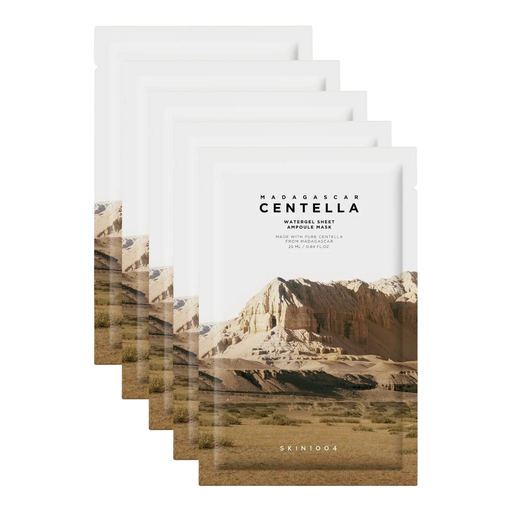
Why it suits this profile: A pack containing five individual masks is a straightforward option for anyone who wants to try Korean skincare at a relaxed pace. The product description states that it contains 51% Centella asiatica extract and should be used for 15–20 minutes.
The clear contact time helps prevent you from leaving the mask on unnecessarily. Always check the current packaging and ingredients list.
Five individual sheets; hydrogel texture; Centella asiatica is prominently featured in the product description.

Why it suits this profile: This hydrogel face mask is designed for anyone who enjoys a longer treatment. The formula lists ceramides, several forms of hyaluronic acid, panthenol and Hydro Cera-nol.
The instructions specify a clear usage window: three to four hours during the day or overnight. This means you do not have to guess how long to leave it on.
Four 34 g masks; hydrogel that becomes transparent according to the description; ceramides and hyaluronic acid in the ingredients list.
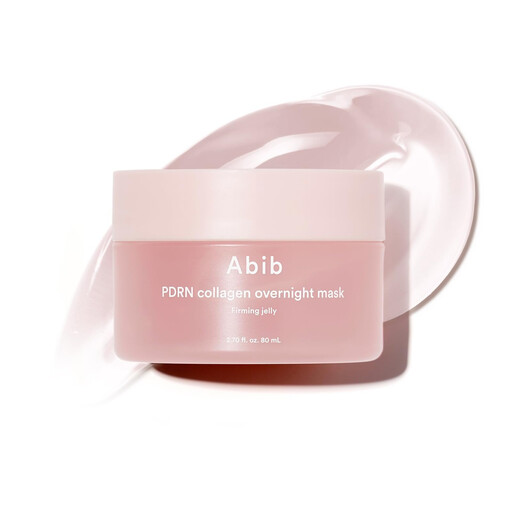
Why it suits this profile: This jelly mask is designed for an evening routine. According to the product description, use it two to three times a week as the final step, similar to a finishing cream.
The recommended frequency helps prevent overuse. The description also states that the formula is fragrance-free; always check the current INCI list before buying.
Jelly texture; 2,7 fl oz contents; plant-based PDRN and 300Da low-molecular-weight collagen according to the product information.
We have put together a complete, up-to-date list of products that fully meet these strict selection criteria and the applicable European safety regulations.
It depends on the type of mask and the brand’s instructions. A hydrating sheet mask is often used once to a few times a week. A daily mask, such as a pack containing 30 sheets, can be used more frequently according to the product description. You might use an overnight face mask two to three times a week, for example. If you have sensitive skin, it is wiser to build up gradually rather than combine several active products every day.
Follow the instructions on the packaging. Some hydrogel masks are designed for 15–20 minutes, while Biodance, and Bio-Collagen products specify a longer wear time of several hours or overnight. Remove the mask sooner if it feels uncomfortable. Do not reuse a disposable mask.
According to their product information, some formulas are suitable for sensitive skin, but this is not a personal guarantee. Look out for fragrance, essential oils, acids and other ingredients that you may be sensitive to. A patch test remains important. If skin problems persist, it is best to seek advice from a doctor or dermatologist.
