
Same-day & Next-day Delivery

Quality Guaranteed

Unlock Your Welcome Offers: FREE Delivery | Up to 80% OFF | Free 30-day JoyPlus trial
Download the APP
When you search online for hazelnut products, you’ll quickly find a long list of spreads, chocolate, coffee, syrup, granola and snacks. The flavours may seem similar, but the ingredients, portion sizes and possible uses can vary considerably. The following points will help you avoid paying mainly for packaging or marketing.
A product with “hazelnut” on the front may mainly contain sugar, oil, cocoa or flavouring. That’s why you should check the ingredients list and the stated percentage of hazelnuts. Ingredients are usually listed in descending order by quantity.
For comparison: according to the product information, Bonne Maman Hazelnut Spread contains 20% hazelnuts, Nutella Hazelnut Spread 750 g contains 13% hazelnuts, and Duo Penotti Hazelnut & Vanilla Spread contains 5% hazelnuts. Taste is a personal preference, but the percentage helps you compare products more objectively.
A breakfast product can contain no added sugar and still contain natural sugars from ingredients such as raisins. Quaker Zs Cruesli Raisin & Hazelnut states that it contains no added sugars or sweeteners, but it does contain 9.4 grams of sugar per 100 grams. Always check the nutrition table and pay attention to the serving size.
The sugar content of hazelnut spreads is often considerably higher. Bonne Maman Hazelnut Spread, for example, contains 51 grams of sugar per 100 grams. This makes it suitable as a sweet spread or ingredient, but not automatically as an everyday staple.
A 750-gram jar may seem appealing for a family, but it is less practical if you use the product slowly. In spreads, oil and solid ingredients may separate during storage. Stir the spread if necessary, as advised in the product information, and close the jar securely.
With coffee products, the preparation method and number of servings also matter. A pack containing ten capsules or eight latte sachets should be compared based on the price per cup, not just the price of the box.
Pay attention to these three points:
According to the product description, Bonne Maman uses sunflower and rapeseed oil and is palm-oil-free. Duo Penotti lists rapeseed and palm oil, among other ingredients. Nutella contains palm oil, hazelnuts, milk powder and soya lecithin. These differences are relevant when you are looking for a specific composition.
For cruesli, muesli and filled breakfast cereals, fibre, sugar, serving size and nut percentage are useful points of comparison. According to the product information, Quaker Zs Cruesli Raisin & Hazelnut contains 23 grams of dietary fibre per 100 grams and 1.5% hazelnuts. Kellogg’s Tresor Chocolate Hazelnut contains 1% hazelnuts in the filling and 26 grams of sugar per 100 grams.
Also check for cereals containing gluten, milk and possible traces of other allergens. “With hazelnut” does not automatically mean that the product is suitable for every breakfast routine.
For hazelnut coffee, the type of coffee, preparation method and added flavouring are important. According to the product information, the 10959 hazelnut capsules contain 100% Arabica coffee with roasted hazelnut flavouring and are suitable for coffee lovers who use capsules.
Hazelnut syrup is a different option: it mainly adds flavour and sweetness to your existing coffee. Douwe Egberts Hazelnut Coffee Syrup contains 78.1 grams of sugar per 100 grams and lists hazelnut in the flavouring. Use a small amount and compare the 250 ml contents with the number of cups you want to make.
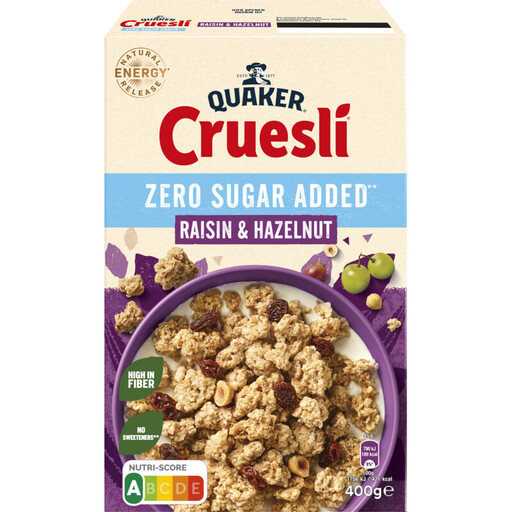
Why it suits this profile: An accessible breakfast choice with roasted cereals, raisins and hazelnuts. The 400-gram pack is a manageable option for a first purchase.
The product information explicitly states that it contains no added sugars or sweeteners. The nutrition table makes the sugar and fibre content easy to check.
23 grams of fibre and 421 kcal per 100 grams; contains wholegrain oat and wheat flakes.
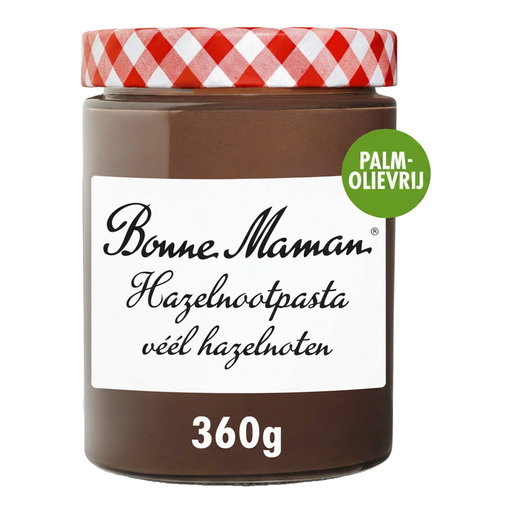
Why it suits this profile: A good fit for anyone who prioritises the hazelnut percentage, a smooth texture and the absence of palm oil.
The stated hazelnut percentage of 20% means you do not have to rely on the product name alone.
20% hazelnuts; according to the product description, free from palm oil, artificial colourings, flavourings and preservatives.
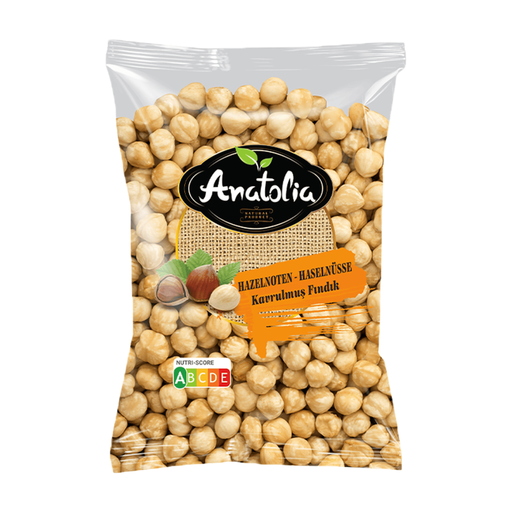
Why it suits this profile: Suitable for anyone who wants to use hazelnuts in salads, breakfast dishes, baking recipes, desserts or as a snack on their own.
You are not buying a product in which hazelnut appears only as a flavouring: these are roasted hazelnuts. However, check the packaging for up-to-date allergen information.
500 grams of product; roasted for a crunchy texture and suitable for a range of sweet and savoury dishes.
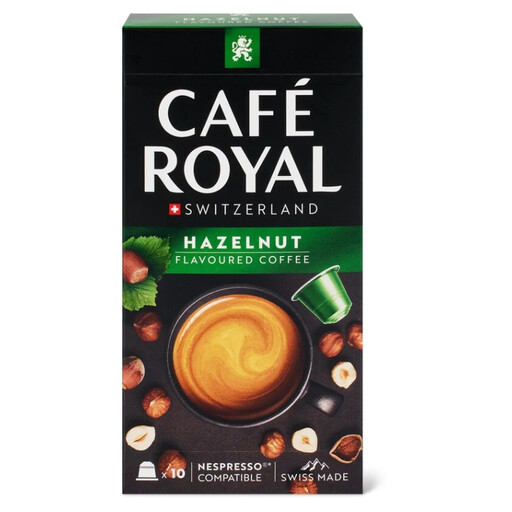
Why it suits this profile: A practical option for everyday use when you want to prepare a cup of hazelnut coffee with capsules quickly.
The capsules state that they contain 100% Arabica coffee and roasted hazelnut flavouring. This makes it clear that they are flavoured coffee, not coffee containing pieces of nut.
10 capsules per pack; according to the product information, contains none of the 14 major EU allergens.
We’ve put together a complete, up-to-date list of products that fully meet these strict selection criteria and the applicable European safety regulations.
Start by considering when you will use the product. For a family, a large jar of hazelnut spread or a bag of breakfast cereal can be convenient. For occasional baking, roasted hazelnuts are more versatile. If you mainly drink coffee, compare the price per capsule or per serving. For a sweet treat, hazelnut chocolate, hazelnut wafers and hazelnut snacks are simple options.
Then check the contents, allergens, ingredients and nutritional value. For alcoholic products, such as Baileys Hazelnut Cream Liqueur with 14.5% alcohol, responsible use and checking the legal age limit are also important. You’ll find the best-before date and storage instructions on the packaging.
It depends on your preference. Hazelnut spread and hazelnut cereals work well with bread, yoghurt or porridge. Pay particular attention to the sugar content, fibre, serving size and hazelnut percentage.
Hazelnut coffee contains coffee with hazelnut flavouring, for example in capsule form. You add hazelnut syrup yourself to ordinary coffee. Syrup generally contains a lot of sugar, so check the amount per serving.
Store unopened and opened products according to the label, usually in a cool, dry place away from direct sunlight. Close jars and bags securely. Do not use a product if the packaging is damaged, and check the recommended shelf life after opening.
