
Same-day & Next-day Delivery

Quality Guaranteed

Unlock Your Welcome Offers: FREE Delivery | Up to 80% OFF | Free 30-day JoyPlus trial
Download the APP
Ha Kau, those translucent shrimp dumplings, are a highlight of any dim sum experience. It's tempting to recreate that authentic flavour at home with a bag from the freezer aisle. But not all frozen Ha Kau (also known as har gow) are created equal. Before you fill your shopping cart, it's important to know what to look for. Many products over-promise and under-deliver, leading to a disappointing meal.
As a Joybuy Product Recommendation Officer, I'm here to help you cut through the marketing jargon. We'll look at the common pitfalls and the specifications that truly matter, so you can make the right choice with confidence.
The packaging often looks beautiful, but the contents can be a letdown. These are the most common problems home cooks encounter:
To avoid the pitfalls above, you just need to read the label carefully. Pay attention to the following three points before deciding which Asian dumplings to buy.
The filling is the heart of the dumpling. Check the ingredient list for the percentage of shrimp. A higher percentage generally means a fuller flavour and better texture. Also, look for other ingredients in the filling. Additions like bamboo shoots or water chestnuts provide a crisp bite that beautifully contrasts with the soft shrimp.
The signature translucent wrapper of Ha Kau is traditionally made from a specific blend. Look for wheat starch and tapioca starch on the ingredient list. This combination provides elasticity and a translucent quality after steaming. Products that primarily use wheat flour often yield a dough more similar to that of a regular wonton or jiaozi.
Most authentic Ha Kau are meant for steaming. This is the method that best preserves the delicate texture of the wrapper and filling. The packaging should provide clear instructions for steaming dumplings. Some products offer alternative methods like the microwave, which can be convenient, but steaming typically delivers the most authentic result.
Based on these objective criteria, we've highlighted several popular choices that suit different preferences and situations.
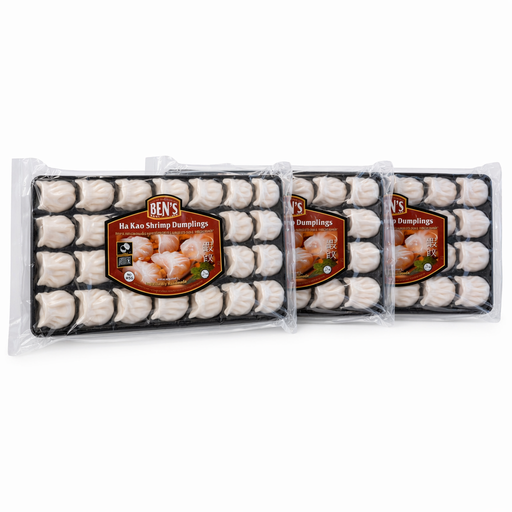
Why This Fits Their Persona: Ideal for those looking for convenience and a well-stocked freezer. This bulk package offers a quick and easy meal solution for the whole family, without the fuss.
The ingredient list is transparent, stating a shrimp percentage of 17.2%. This is a fair percentage for a product focused on convenience and volume, preventing the disappointment of a vague filling.
The large package (3 x 800 g) is cost-effective. Additionally, the option to prepare them in either a steamer or a microwave offers maximum flexibility for busy evenings.
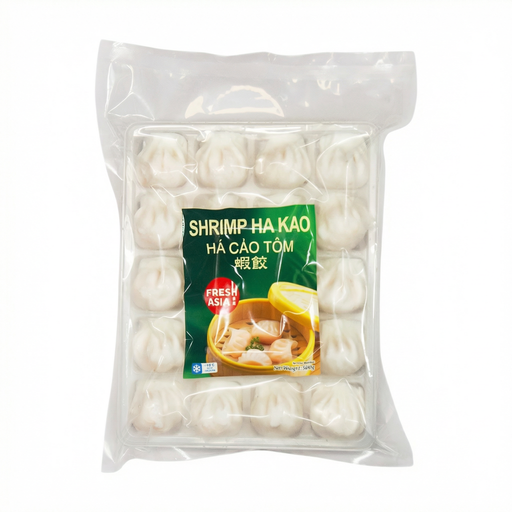
Why This Fits Their Persona: For those who want to recreate the authentic Cantonese dim sum experience at home. This product focuses on a classic recipe and high-quality ingredients.
This product tackles both the filling and dough pitfalls. It specifies a shrimp percentage of 37.13% and uses the classic dough mixture of wheat and tapioca starch for an authentic, translucent texture.
The high shrimp content ensures a full, juicy filling. The traditional dough composition delivers the resilient and translucent bite characteristic of restaurant-quality Ha Kau.
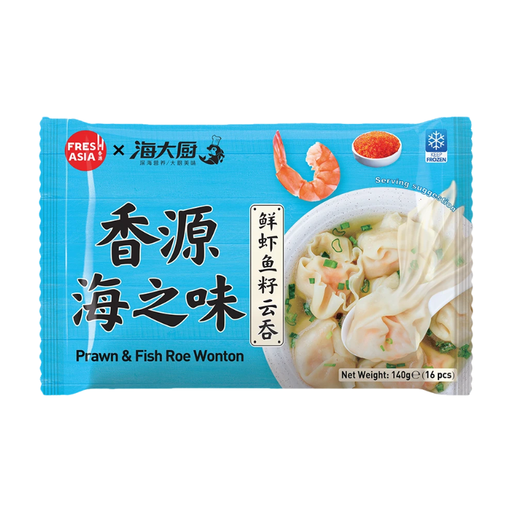
Why This Fits Their Persona: Perfect for those who want something different from the classic Ha Kau. These wontons offer a unique flavour and texture combination with shrimp and fish roe, ideal for soups.
This product is transparent about its identity: it's a wonton, not a Ha Kau. The ingredients are clearly specified (shrimp ≥19%, flying fish roe ≥4.3%), so you know exactly what new experience to expect.
The addition of fish roe provides a surprising 'pop' and a layered umami flavour. The included soup packet makes it easy to quickly prepare a complete and flavourful soup.
We have a complete, up-to-date overview of frozen products that meet strict selection criteria and regulations.
No steamer basket? No problem. Place a metal colander or a heat-resistant rack inside a large pot. Add a layer of water (making sure it doesn't touch the colander) and bring it to a boil. Place the frozen dumplings in the colander (on a piece of parchment paper to prevent sticking, if you like), cover the pot with a lid, and steam according to the package directions.
Although both are Asian dumplings, the main difference lies in the wrapper. Ha Kau has a translucent, resilient dough made from wheat and tapioca starch. Wonton wrappers are thinner, square, and made with wheat flour and often egg, giving them a yellowish hue and a silky texture after cooking. The shape is also different: Ha Kau are folded into a crescent shape, while wontons are often pinched into a small pouch.
Always store frozen dumplings in the freezer at -18°C (0°F) or colder. The exact expiration date is printed on the package. Once thawed, do not refreeze them. Keep thawed dumplings in the refrigerator and consume them within the period specified on the packaging.
