
Vandaag of morgen in huis

Kwaliteit gegarandeerd

Welkomstaanbiedingen ontgrendelen: GRATIS bezorging | Tot 80% korting | Gratis 30 dagen JoyPlus-proefperiode
Download de app
Looking for a grape soda that's different from what you find at the supermarket? The world of international soft drinks is vast, from sweet American sodas to surprising Korean beverages. But this search can also lead to disappointment. You might overpay for a drink that doesn't live up to the hype, or the flavor isn't what you expected.
As a Joybuy Product Recommendation Officer, I'm here to help you see through the marketing jargon. We'll discuss the pitfalls and what to look for, so you can make a choice that perfectly matches your taste.
Before you make a purchase, it's wise to consider a few common misconceptions:
To make a great choice, you can check for a few objective specifications on the label.
The foundation of an authentic taste lies in the ingredients. Look for the following terms on the ingredients list:
For a soda with bits, texture is a key part of the experience. The most common addition is Nata de Coco. This is a chewy, translucent jelly made from fermented coconut water. It adds a playful bite to the drink. Brands like Mogu Mogu Grape are famous for this. Other drinks, like the Korean Bong Bong, sometimes contain real grape pulp. Check the product description to know what to expect.
The origin of the drink says a lot about the expected flavor profile:
Below are a few popular choices, matched with different tastes and preferences.
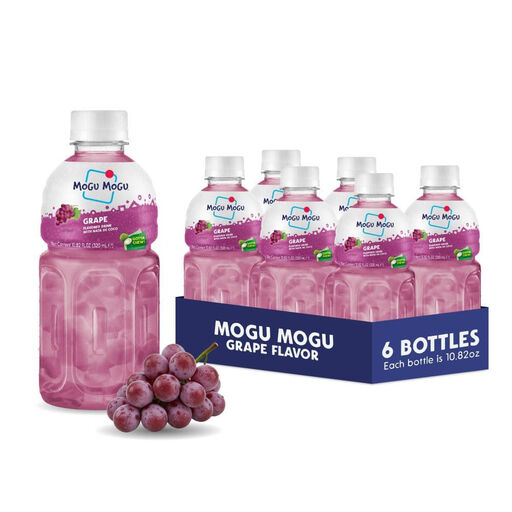
Why This Fits Their Persona: Perfect for those looking for a drink that offers both a flavor and a texture experience. The combination of sweet grape flavor and chewy nata de coco pieces makes this a favorite on social media and among fans of Asian snacks.
This drink bypasses the 'texture gamble.' The product information clearly states the pieces are Nata De Coco (coconut jelly), so you know exactly what unique, chewy texture to expect.
Combines drinking with a snack-like feel. The sweet grape flavor is refreshing, and the pieces add a playful twist.
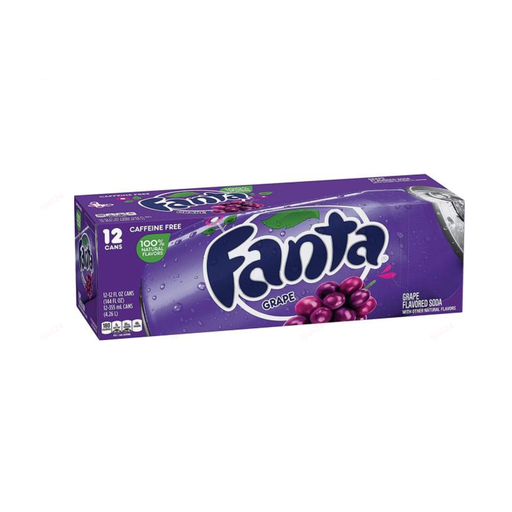
Why This Fits Their Persona: For those seeking the iconic, deep purple, and sweet taste of American soda. This is the classic Fanta Grape you know from movies and vacations, with an unmistakable, candy-like grape flavor.
This product avoids the 'fruit flavor illusion' by delivering exactly what it promises: not a complex juice, but a classic, sweet soda experience. The flavor is based on glucose-fructose syrup and natural flavorings, ensuring that authentic American taste.
Delivers the signature sweet and fizzy taste that fans who buy Fanta Grape love. Ideal for parties or when you're craving a nostalgic treat.
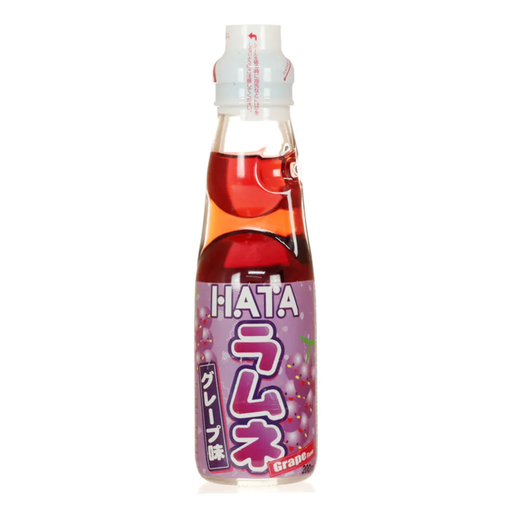
Why This Fits Their Persona: For those who want more than just a drink. This Japanese soda (Ramune) offers a unique, interactive experience with its iconic glass bottle, which is opened by pushing a marble inside. It's a drink and a piece of Japanese pop culture in one.
This product justifies its import price by offering a unique experience that goes beyond just the flavor. You're not just paying for the soda, but for the ritual and fun of opening the bottle, which avoids the 'import hype' pitfall.
The unique Codd-neck bottle with its marble stopper provides a fun drinking experience. The flavor is refreshing and fruity, less overwhelmingly sweet than many American versions.
We've compiled a complete, up-to-date list of products that meet these selection criteria.
The main difference lies in the ingredients and preparation. Grape juice typically consists of 100% juice, whether from concentrate or not. Grape soda is a carbonated beverage flavored with grape flavorings, sugar, and often a small percentage of juice. Soda is intended as a sweet, fizzy treat, while pure juice is focused on the pure fruit flavor.
The recipes differ by region. American Fanta Grape often uses glucose-fructose syrup as a sweetener and has a different mix of flavorings and colorings, resulting in its characteristic candy-like taste and bright color. European versions typically use sugar and sometimes contain a higher percentage of real fruit juice, leading to a different, often less intense flavor.
Opening a Ramune bottle is a small ritual. First, remove the plastic wrapper from the cap. Inside the cap, you'll find a plastic plunger. Place it on top of the glass marble and press down firmly until the marble drops into the bottle. Hold the bottle for a moment, as the pressure release can cause the soda to fizz up. The indentations in the bottle's neck prevent the marble from rolling out while you drink.
