
Vandaag of morgen in huis

Kwaliteit gegarandeerd

Welkomstaanbiedingen ontgrendelen: GRATIS bezorging | Tot 80% korting | Gratis 30 dagen JoyPlus-proefperiode
Download de app
Buying a grape drink may seem straightforward, but the range varies considerably. One bottle may contain grape juice, while another is a fizzy soft drink with flavourings. There are also Korean drinks with grape pieces, Japanese grape soda and large multipacks for parties or stocking the cupboard.
If you only look at the front of the packaging, it is easy to choose a product that does not match your preferred flavour, quantity or serving style. These practical checks help you compare grape drinks using verifiable information.
The term “grape juice drink” does not automatically mean that you are buying a product with a high juice content. Check the ingredients list instead. This will show whether the product contains, among other things:
According to the product information, a product such as Huiyuan Grape Juice lists only water and concentrated grape juice as ingredients. Other drinks combine water, sugar, flavourings and a smaller proportion of juice. This creates a different flavour profile from pure grape juice.
A 1 or 1.5-litre bottle is convenient for sharing, but once opened, the drink will generally need to be kept chilled and consumed within the period stated on the label. Small bottles, cans or pouches are more practical for lunch, travel or an event where everyone is given their own portion.
A grape drink multipack can be good value for a family, office or party, but always check the total volume. Twelve 355 ml cans provide a different amount of stock from six 320 ml bottles.
Words such as “refreshing”, “authentic” or “natural” reveal little about the ingredients. According to brands’ own product information, such terms may describe the taste experience, but they are no substitute for the ingredients list and nutrition table.
Also look out for conflicting or incomplete information. The nutritional values on the packaging should take precedence. For imported drinks, also check the Dutch labelling, allergen information, best-before date and storage instructions.
Start by choosing the drinking experience you want:
A white grape drink or muscat drink is often chosen for its light, sweet aroma. A black grape drink usually has a more pronounced, dark-fruit profile. The exact flavour depends on the juice, flavourings, sugar and any sweeteners used.
Always compare products per 100 ml, rather than only per bottle or can. This prevents a small pack from automatically appearing “lighter”. The values in the product information vary considerably: according to the supplied table, Mogu Mogu Grape lists 12 grams of sugar per 320 ml, while other drinks list approximately 10 to 13.5 grams of sugar per 100 ml.
Pay particular attention to:
A lower figure per 100 ml does not mean that the entire bottle contains little sugar. For larger packs, therefore, calculate the amount for the full bottle.
Resealable bottles are convenient for everyday use. Cans are easy to hand out as individual portions and do not take up space in the fridge once opened. A pouch, as used for some Korean drinks, is compact but requires extra care to prevent leaks and must be chilled after opening.
For Asian grape drinks and imported soft drinks, check:
The country of origin does not automatically indicate quality. A Korean grape drink, Japanese grape soda or Caribbean soft drink may be particularly appealing because of its distinctive flavour style and packaging.
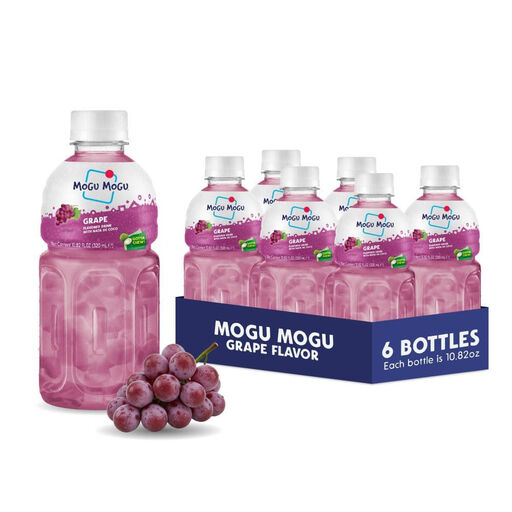
Why it suits this profile: A straightforward multipack with six portions for home, lunchboxes or a small gathering. The nata de coco gives the drink a different texture from ordinary grape juice.
The volume is clearly stated as 6 x 320 ml. The product information also specifies the storage instructions after opening and the nutritional value per pack.
Six individual bottles, grape flavour and 25% nata de coco according to the product information.
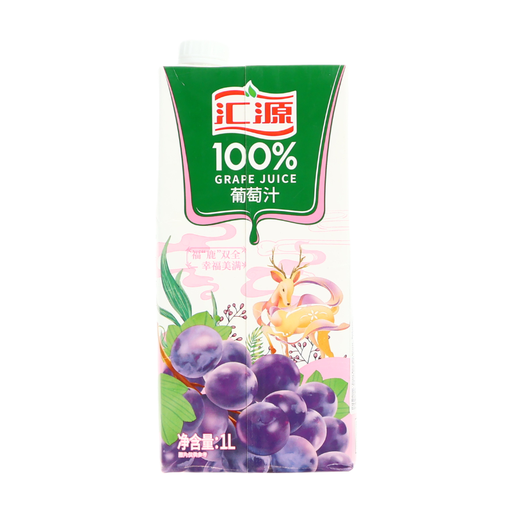
Why it suits this profile: Ideal for anyone looking for a non-fizzy drink made with concentrated grape juice to serve chilled, over ice or mixed with sparkling water.
The product description lists water and concentrated grape juice as ingredients. This makes the difference from a flavoured grape soda clearer.
1-litre contents, 46 kcal per 100 ml according to the product information, and suitable for use as the base of a mixed drink.
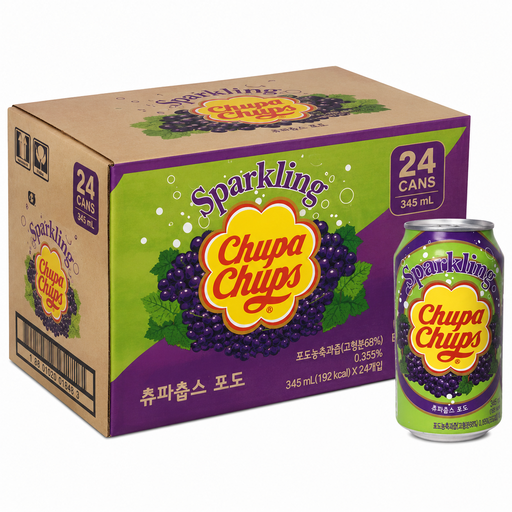
Why it suits this profile: A practical choice for parties, business meetings and buyers who need a large number of individual portions.
The quantity is clear in advance: 24 bottles of 345 ml. This means you do not need to combine several separate packs.
24 individual portions and a fizzy grape flavour according to the product description.
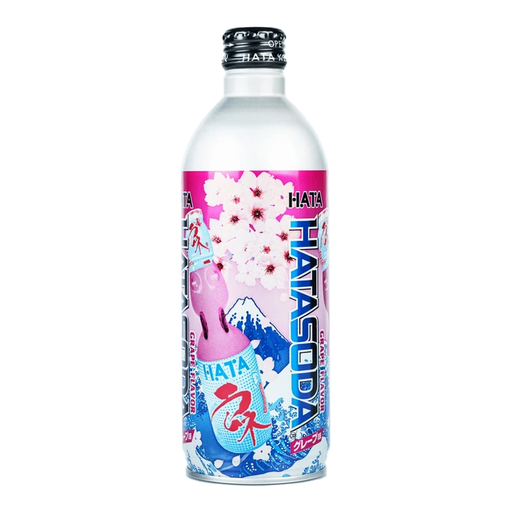
Why it suits this profile: For anyone wanting to try a Japanese grape soda with carbonation and distinctive international packaging.
The ingredients list includes concentrated grape juice and carbon dioxide, among other ingredients. Always check the current label before buying.
500 ml bottle, carbonated and, according to the product information, free from artificial colourings and preservatives.
We have put together a complete, up-to-date list of products that fully meet these strict selection criteria and the applicable European safety regulations.
Grape juice consists mainly of juice or juice concentrate. A grape drink may also contain water, sugar, flavourings, sweeteners or other ingredients. For a reliable comparison, check the ingredients list and nutritional value per 100 ml.
Always follow the label. Many products must be refrigerated after opening and consumed within a few days. Seal the bottle properly and check the smell, taste and packaging before drinking.
That depends on the price per litre, the number of portions and any delivery costs. Divide the total price by the total number of litres. For a party or office, a multipack may also be more practical than individual bottles, even when the price difference is small.
