
Vandaag of morgen in huis

Kwaliteit gegarandeerd

Welkomstaanbiedingen ontgrendelen: GRATIS bezorging | Tot 80% korting | Gratis 30 dagen JoyPlus-proefperiode
Download de app
The beer aisle can be overwhelming. You're looking for something refreshing for a sunny patio or a barbecue, but a standard pilsner is too bitter, and craft beers feel too heavy. Fruit beer, often called rosé beer, is the logical choice. But even here, the selection is vast. How do you avoid a disappointing purchase and choose a beer that isn't overly sweet or disappointingly watery?
This guide is here to help. We'll discuss the key features to look for and highlight a few popular options based on their specifications. This will help you make an informed choice that suits your taste and the occasion.
To find the perfect fruit beer, it helps to compare a few product features. These are almost always listed on the packaging.
Based on the criteria above, we have curated a selection of three different types of fruit beer. We describe each product based on its factual specifications.
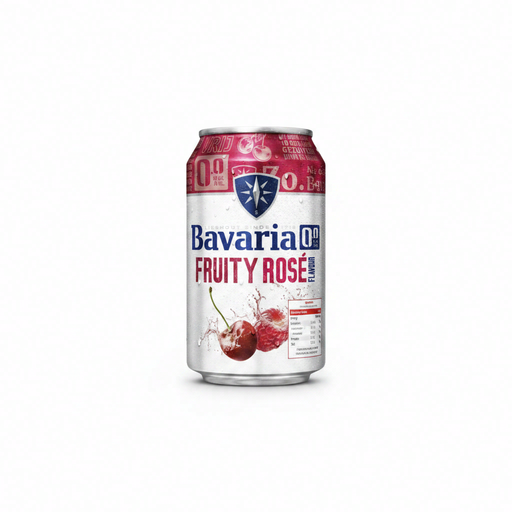
Why We Chose It: This is a completely alcohol-free option that delivers a sweet and fruity flavour profile. The product won a silver medal at the 2022 World Beer Awards, a testament to its well-regarded taste within its category. Its base of natural mineral water from Bavaria's own spring is a hallmark of the brand.
Key Features:
Who It's For: Ideal for those seeking a flavourful and refreshing summer beer without the alcohol. Suitable for designated drivers, during pregnancy, or for anyone mindfully reducing their alcohol intake. Its sweet taste makes it highly accessible.
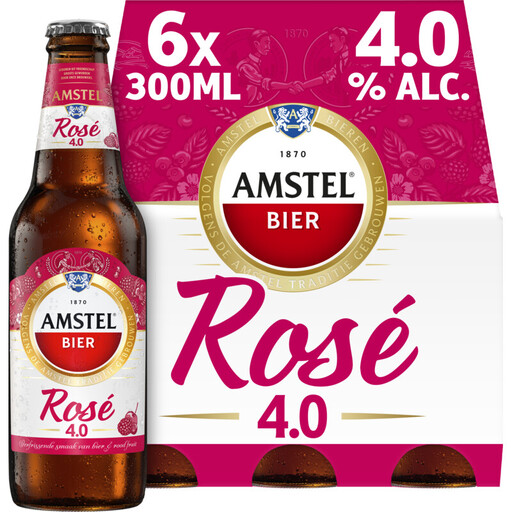
Why We Chose It: Amstel Rosé is a household name, combining the familiar character of Amstel beer with the freshness of red fruit. It's a blend of beer and fruit juice, giving it a unique position between traditional beer and cider.
Key Features:
Who It's For: For the drinker looking for an accessible alcoholic beverage that's less bitter than a pilsner. It's a popular choice for casual drinks, barbecues, and parties designed to appeal to a wide audience.
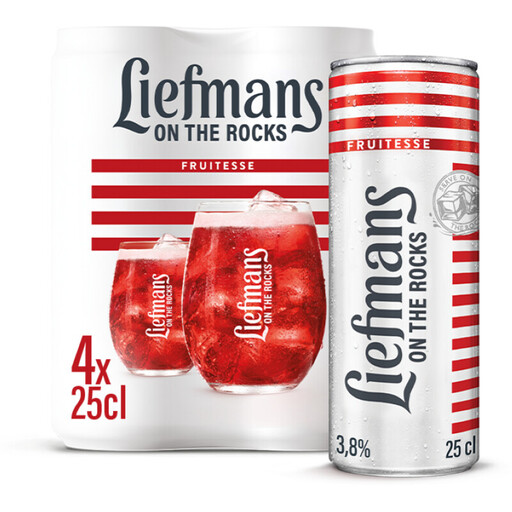
Why We Chose It: Liefmans Fruitesse is a Belgian fruit beer renowned for its complex fruit flavour and its signature 'on the rocks' (served over ice) recommendation. The use of a sweetener (acesulfame-K) helps keep the sugar and calorie content low.
Key Features:
Who It's For: For those looking for a sophisticated red fruit beer with a less sweet finish. The serving suggestion with ice makes it an excellent choice for an aperitif on a warm day.
If beer, even in its fruit-flavoured form, isn't quite to your taste, but you still enjoy an accessible and refreshing drink, there's a great alternative. Fruity wine offers a similar fruity flavour profile and is also perfect for sunny days and social gatherings. These wines often have notes of red or tropical fruit and are typically light and smooth in character.
1. What is the difference between fruit beer and rosé beer? The terms are often used interchangeably. In practice, rosé beer is usually a type of fruit beer that gets its pink colour and flavour from red fruits, such as cherries or raspberries. Fruit beer is the umbrella term for any beer to which fruit has been added, regardless of its colour.
2. Is fruit beer always sweet? No, the level of sweetness varies greatly. Some fruit beers, especially those with a high sugar content, are very sweet. Others, such as certain Belgian Kriek (cherry) beers or fruit beers with a different base, can have a sour or more complex flavour. It's worth checking the label for the amount of sugar per 100 ml.
3. What's the best way to serve fruit beer? Generally, fruit beer is served cold, straight from the fridge (between 3-6 °C). Most varieties can be enjoyed directly from the bottle or can. Some brands, like Liefmans, recommend serving their beer in a stemmed, rounded glass with ice cubes for an extra refreshing experience.
