
Vandaag of morgen in huis

Kwaliteit gegarandeerd

Welkomstaanbiedingen ontgrendelen: GRATIS bezorging | Tot 80% korting | Gratis 30 dagen JoyPlus-proefperiode
Download de app
Alcohol-free wine now comes in several styles, from alcohol-free rosé and red wine to sparkling varieties, spritz and fruit beer. But not every bottle labelled “alcohol-free” is the same. If you only look at the front of the label, you could choose a product that doesn’t suit the occasion, your taste or your requirements around alcohol.
This guide helps you choose alcohol-free wine with confidence, without being swayed by vague marketing terms.
Always check the alcohol percentage on the label. The range includes products with 0.0% vol, but the product name alone doesn’t always give you enough information. This is especially important for drivers, people who choose not to drink alcohol at all and pregnant people. If in doubt, check the packaging and the latest product information.
Also look out for conflicting product information. For example, the Oddbird Sparkling Rosé product page describes it as “non-alcoholic” but also lists an alcohol percentage of 15%. It’s therefore not a suitable choice if you’re specifically looking for 0.0%. Carl Jung Generic Rosé also lists 12.5% vol. So don’t rely on the product name alone.
Alcohol-free wine is often made by removing the alcohol from dealcoholised wine, or by blending a drink from grape must and other ingredients. As a result, its body, sweetness, acidity and finish can differ from those of traditional wine.
For example, an alcohol-free Chardonnay may taste fruitier and lighter. An alcohol-free red wine may have less tannin and warmth. So check the description, ingredients and nutritional information rather than looking only at the grape variety.
A 200 ml bottle is handy for one person, while 375 or 750 ml is better suited to a dinner or party with several guests. After opening, product information recommends keeping the bottle tightly closed. Also store alcohol-free drinks somewhere cool, away from direct sunlight and excessive heat.
A sparkling bottle is handy for a celebration, while a small bottle of alcohol-free white wine or rosé can help avoid waste at a quiet meal.
Look for 0.0% vol if you want a drink with no alcohol. Also make sure you know the difference between:
Check the ingredients if you’re sensitive to certain substances. Pierre Zéro Merlot Red and Pierre Zéro Rosé, for example, list sulphites. Liefmans Fruitesse contains barley malt and lists barley as an allergen. Other products in this selection state that they contain none of the 14 main EU allergens.
“Vegan” or “allergen-free” doesn’t apply to every alcohol-free wine. Check the label and current packaging for each product.
Alcohol-free drinks can contain sugar or sweeteners. Pierre Zéro Spritz lists 6.5 grams of sugar and 28 kcal per 100 ml, while Sir James 101 Spritz lists 9 grams of sugar and 37 kcal per 100 ml. Liefmans Fruitesse lists 22 kcal and 3.7 grams of sugar per 100 ml.
These figures are useful when comparing different drink styles. Check whether the nutritional information is given per 100 ml or per serving.
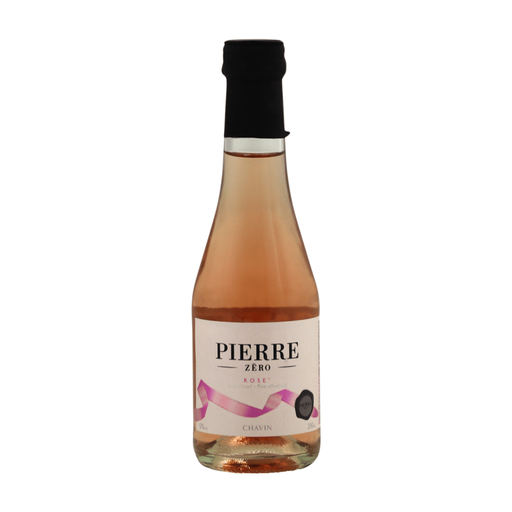
Why it suits this profile: The 200 ml size is ideal for trying alcohol-free rosé for the first time, or taking a single serving along to a picnic, barbecue or get-together.
The product information lists 0.0% vol, a small bottle size and a screw cap. Do check the sulphites listed on the label.
200 ml, 0.0% vol, a fresh, fruity style and a good match for light dishes.
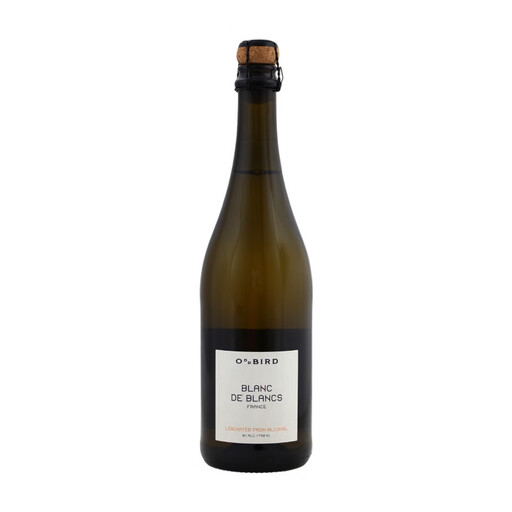
Why it suits this profile: The 750 ml bottle is a good choice for a dinner or celebration where several guests can enjoy the same sparkling style.
The product description presents this drink as a sparkling alternative for special occasions. Check the alcohol percentage on the packaging before buying, as product information can change.
750 ml, sparkling, ideal for a celebratory toast and, according to the product information, free from the 14 main EU allergens.
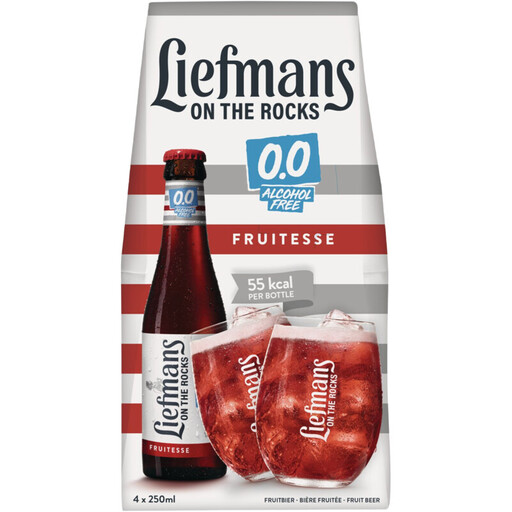
Why it suits this profile: The pack of four 250 ml bottles is handy for a group, get-together or barbecue where guests want a fruity alternative alongside wine and alcohol-free beer.
The individual servings help reduce leftovers after opening. The packaging states 0.0% and lists barley malt; check this allergen if it’s relevant to you.
Four 250 ml servings, a fruity taste with notes of several berries and 22 kcal per 100 ml according to the product information.
We’ve put together a complete, up-to-date list of products that meet these strict selection criteria and the applicable European safety regulations.
No. Check the alcohol percentage on the label. Look specifically for 0.0% vol if you don’t want to drink alcohol. The product name alone isn’t enough, as some listings combine “non-alcoholic” with a higher alcohol percentage.
It varies by product. Seal the bottle tightly, store it somewhere cool and follow the instructions on the packaging. Sparkling wine loses its fizz more quickly once opened. Smaller 200 ml or 375 ml bottles can be handy if you only want to pour one or two glasses.
Choose alcohol-free sparkling wine for a toast, alcohol-free spritz over ice as an aperitif, or fruit beer for a sweeter, fruitier flavour. Compare the alcohol percentage, ingredients, sugar content and bottle size. That way, your drink will suit both the occasion and your guests’ preferences.
