
Vandaag of morgen in huis

Kwaliteit gegarandeerd

Welkomstaanbiedingen ontgrendelen: GRATIS bezorging | Tot 80% korting | Gratis 30 dagen JoyPlus-proefperiode
Download de app
A suitable facial sunscreen shouldn't just have a high protection factor. The texture, ingredients, amount and reapplication all play a part in whether you'll keep using the product every day. A cream that stings, leaves a shine or pills under make-up will soon end up sitting unused in the bathroom cabinet.
SPF mainly measures protection against UVB rays – the radiation that causes redness and sunburn. For daily protection, UVA protection is also important. UVA penetrates deeper and plays a role in visible skin ageing and discolouration.
So don't just look for "SPF 50"; also check whether the label mentions UVA, for example with the UVA symbol in a circle or a PA rating. What's more, a high SPF doesn't mean you can skip reapplying throughout the day.
Words like "anti-ageing", "against pigmentation" or "protects against free radicals" sound concrete, but their meaning varies from one formula to another. According to a brand's own research or product information, certain ingredients may contribute to a particular cosmetic effect; that's no guarantee of the same result for every user.
Instead, look at the INCI list, the stated SPF, your skin type and the usage instructions. A facial sunscreen with niacinamide, hyaluronic acid or vitamin E can be interesting if you're also looking for hydration, but these ingredients don't automatically make a product suitable for sensitive skin.
A rich cream can be pleasant for dry skin, but may feel too heavy on oily or combination skin. A mattifying sunscreen often contains powders or starch-based ingredients for a less shiny finish. A hydrating sunscreen feels more comfortable when your skin tends to feel tight.
Fragrance, alcohol denat. and essential oils can also cause sensitivity in some users. Always test a new formula on a small area of skin first, and stop if you experience persistent redness, swelling or irritation.
For normal daily use in the UK, the choice depends on your skin type, exposure and situation. SPF 30 offers higher protection than SPF 15, while facial sunscreen SPF 50 or SPF 50+ can make sense for prolonged time outdoors, fair skin, strong sun or if you prefer extra peace of mind.
Estée Lauder DayWear and DayWear Sorbet contain SPF 15 and combine sun protection with a day cream. These can be suitable for limited daily time outdoors, but they are not the same as a specially formulated SPF 50 for intense exposure.
Check whether the packaging mentions both UVA and UVB. Products like the BIRCH Juice Moisturizing Sunscreen, Haruharu Wonder Black Rice Moisture Airyfit and iUNIK Centella Calming Daily Sunscreen state broad-spectrum protection in their product information. With Korean sunscreens, you'll often also see a PA++++ rating. Use that information as a supplement to the European product listing, and always check the packaging of the product you receive.
Apply your sunscreen as the last step of your morning routine, before sun exposure. Use enough product for your face, ears and neck. The product information for several of the formulas mentioned advises reapplying after approximately two hours outdoors, and after swimming, sweating or towel-drying.
"Water-resistant" doesn't mean a product continues to work indefinitely after swimming. The NIVEA SUN Protect & Hydrate Invisible Finish SPF 50+ is described as water-resistant, but reapplication is still necessary.
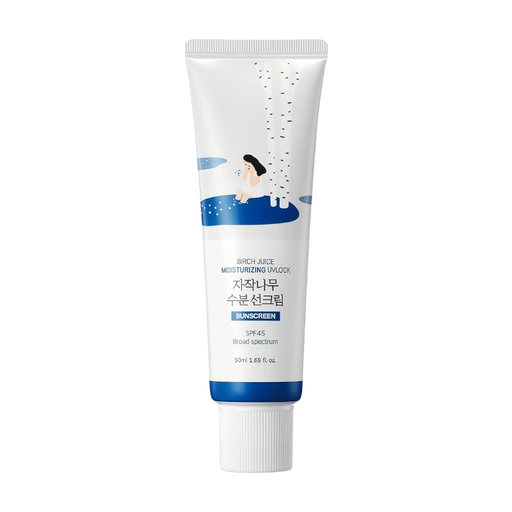
Why this fits the profile: A compact daily SPF 50 formula for anyone looking for a nourishing product without needing a separate, heavy day cream.
The product description mentions multiple UV filters and advises reapplication. So don't expect protection from a single morning application.
50 ml; SPF 50+; glycerine, hyaluronic acid and niacinamide are listed in the ingredients.
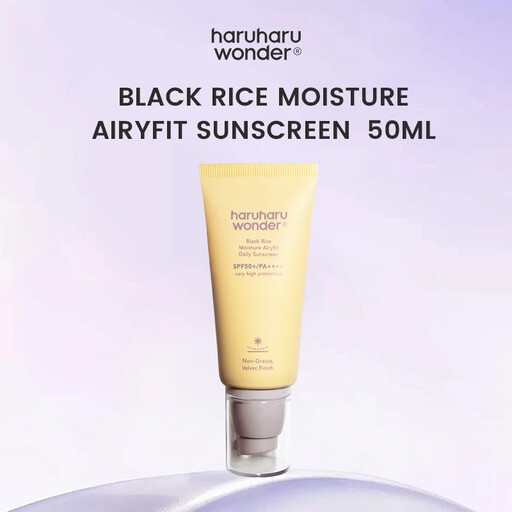
Why this fits the profile: Suits users looking for a lightweight Korean sunscreen with high protection and a non-sticky finish.
The product information mentions an airy texture with no white cast. Always check the actual packaging and your own skin reaction.
SPF 50+ and PA++++; black rice, niacinamide, ceramide NP and glycerine are listed.
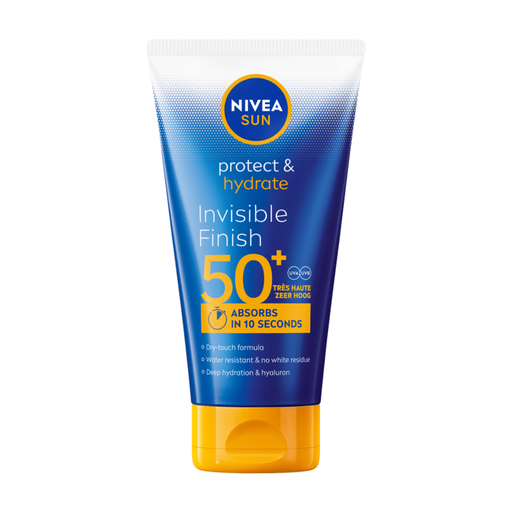
Why this fits the profile: The 150 ml bottle is practical for frequent use on the face and other exposed skin.
The product description mentions a water-resistant formula and reapplication after swimming or sweating. This helps prevent you from confusing water resistance with lasting protection.
SPF 50+; 150 ml; product description mentions fast absorption and no white residue.
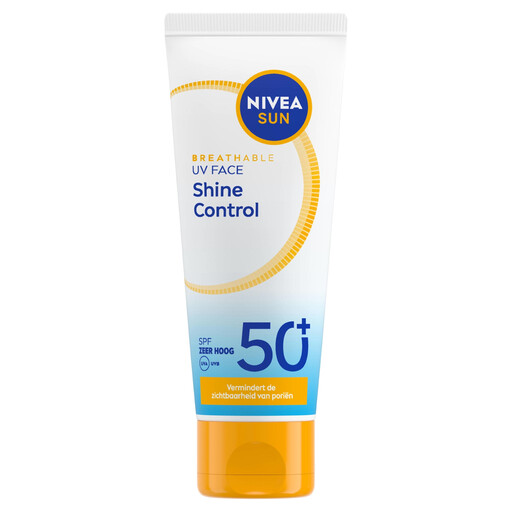
Why this fits the profile: Aimed at anyone looking for a mattifying sunscreen that, according to the product description, absorbs quickly and can be used under make-up.
The formula is described as dry-touch and non-greasy. If you have dry skin, you can add extra hydration beforehand to prevent any tight feeling.
SPF 50; ingredients list with tapioca and rice starch; product information mentions a matte finish.
We've put together a full, up-to-date list of products that fully meet these strict selection criteria and comply with current European safety regulations.
Not everyone needs SPF 50 every day, but it's a practical choice if you spend a lot of time outdoors, have fair skin or a skin type that discolours easily. SPF 30 can be suitable for shorter exposure. Always apply enough and reapply after swimming, sweating or towel-drying.
You can, as long as the product is suitable for the face and your skin tolerates the formula well. A facial sunscreen is often tailored in terms of texture, fragrance, make-up compatibility and shine. If you have sensitive skin, check the ingredients and test a small amount first.
Check the expiry date and the symbol on the packaging. Store sunscreen in a cool place away from direct sunlight. If a product has noticeably changed in smell, colour or consistency, it's best not to use it. The shelf life after opening varies from product to product, so always follow the packaging instructions.
