
Vandaag of morgen in huis

Kwaliteit gegarandeerd

Welkomstaanbiedingen ontgrendelen: GRATIS bezorging | Tot 80% korting | Gratis 30 dagen JoyPlus-proefperiode
Download de app
An aisle of sunscreens, all labelled SPF 50. Yet, not all are created equal. The choice can be overwhelming, and marketing promises don't make it any easier. Many people end up with a product that feels sticky, leaves a white cast, or doesn't suit their skin type, causing the tube to languish unused in a drawer.
Before you make a choice, it's helpful to recognise two common pitfalls:
To avoid a purchase you'll regret, there are a few objective specifications you can check. These will help you find a product you'll actually want to use every day.
A good SPF 50 sunscreen protects not only against UVB but also against UVA. Look for the following on the packaging:
This broad-spectrum protection is crucial for combating both sunburn and premature skin ageing.
The reason many people skip sunscreen is the texture. Fortunately, modern formulas have come a long way from the thick, white creams of the past. The choice depends on your skin type and preference.
Below are some popular choices, matched to specific needs and skin types. These aren't "winners," but products with specifications that align well with different users.

Why This Fits Their Persona: This popular Korean sunscreen is ideal for those who see sun protection as an integral part of their skincare routine. Its lightweight, serum-like texture doesn't feel like a traditional sunscreen and works perfectly under makeup.
The formula is so pleasant and hydrating that you'll actually want to reapply it, sidestepping the 'one and done' application pitfall. It leaves absolutely no white cast.
Lightweight texture that absorbs quickly without a sticky feeling. Contains 30% rice extract and probiotics for added hydration and soothing benefits. Offers SPF 50+ and PA++++ protection.
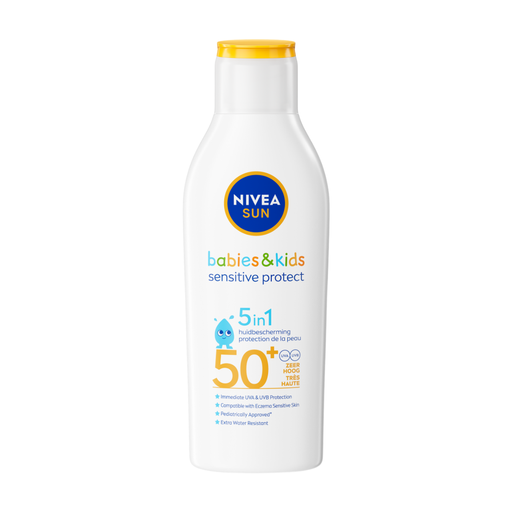
Why This Fits Their Persona: Parents need a reliable, safe, and practical sunscreen for their children's sensitive skin. This formula is specifically designed for babies and kids, is fragrance-free, and is extra water-resistant for playtime and swimming.
The 'extra water-resistant' claim is backed by a clear focus on children's skin, implying it's made for active situations. It tackles the 'water-resistant' myth by focusing on reliability during play, not on unrealistic invincibility.
Fragrance-free and suitable for eczema-prone skin. Its skin compatibility is paediatrically approved. The formula is extra water-resistant and offers 5-in-1 protection.
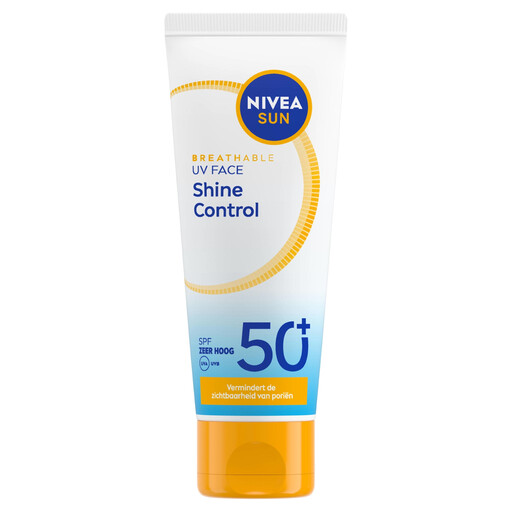
Why This Fits Their Persona: Anyone with oily skin wants to avoid extra shine. This facial sunscreen is specifically designed to mattify the skin and prevent a shiny forehead throughout the day. It's ideal for daily use, even under makeup.
This product addresses the most common complaint about sunscreen: the sticky, greasy feeling. By providing a mattifying effect, it significantly lowers the barrier to using SPF daily.
Provides an instant and long-lasting mattifying effect. The formula feels light, is non-greasy, and absorbs quickly. The manufacturer, NIVEA, states that it does not clog pores.
We have compiled a complete, up-to-date list of products that meet these strict selection criteria.
Most people apply too little, failing to achieve the promised SPF rating. A practical guideline for the face and neck is the two-finger rule: apply a line of sunscreen to your index and middle fingers. This amount is generally sufficient. For your body, you need about a full shot glass (30 ml).
Check the packaging for an open jar symbol with a number inside (e.g., "12M"). This is the PAO (Period After Opening), which indicates how many months the product is good for after opening. If your sunscreen has been open longer than this period, its protection is no longer guaranteed. Unopened products are typically good until the expiration date printed on the packaging.
SPF 30 blocks about 97% of UVB rays, while SPF 50 blocks about 98%. The difference may seem small, but that extra 1% of protection can be significant for people with fair or sensitive skin, or during prolonged exposure to intense sun. SPF 50 offers a greater margin of safety, especially since most of us apply it too thinly.
