
Vandaag of morgen in huis

Kwaliteit gegarandeerd

Welkomstaanbiedingen ontgrendelen: GRATIS bezorging | Tot 80% korting | Gratis 30 dagen JoyPlus-proefperiode
Download de app
Corn is one of the most versatile ingredients in any kitchen. Whether you're preparing a summer salad, a Mexican dish, or a BBQ, there's a good chance corn plays a role. But when you're at the supermarket to buy corn, it's easy to feel overwhelmed by the options. The selection is vast, and the packaging isn't always clear.
Before you make a choice, it's wise to consider a few common pitfalls. These can lead to you bringing home a product that doesn't suit your dish or contains unnecessary additives.
To make the right choice, it's helpful to pay attention to a few objective characteristics. These specifications determine how the product tastes, how you should prepare it, and what it's suitable for.
The form in which you buy corn is the most important factor for its use.
A short and clear ingredient list is usually a good sign. For pure sweet corn, look for products that contain only corn, water, and possibly a small amount of salt. Be wary of additives like sugar, glucose syrup, or other flavour enhancers that are not always necessary. This applies to both corn kernels in a can and to snacks.
To help you get started, we have selected a number of products that suit different needs and user profiles. These choices are based on their product specifications and potential applications.
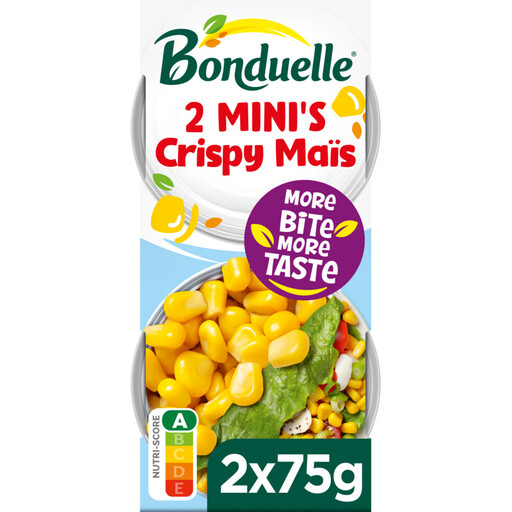
Why This Fits Their Persona: Ideal for those who want to quickly enhance a meal without any waste. The small portion is perfect for a single-serving salad or as an addition to a wrap, so you're not left with half a can.
The ingredient list is short and clear: corn kernels, water, and salt. No hidden sugars. The format prevents food waste.
Ready to use straight from the can. According to the manufacturer, the corn has a crisp texture and a naturally sweet flavour.
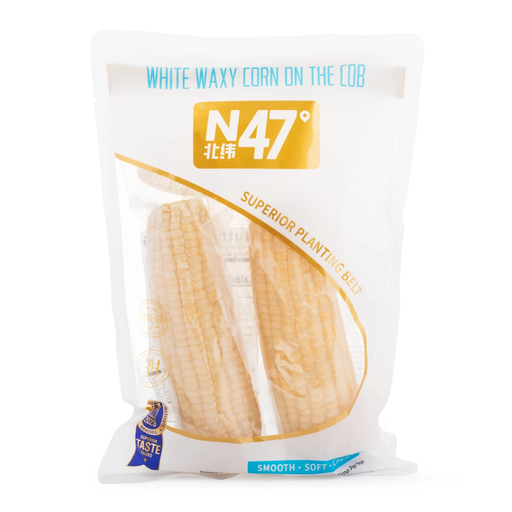
Why This Fits Their Persona: For those who want the experience of a whole corn on the cob without the long cooking time. Perfect for the BBQ, as a side dish, or as a nutritious snack. The chewy texture offers a different experience from standard sweet corn.
This product is pre-cooked and vacuum-packed, which clarifies its "fresh" status. The ingredient list is simple: glutinous corn. No unnecessary additives.
Quick to heat by steaming, boiling, or microwaving. The soft, chewy texture is satisfyingly filling and makes for an interesting variation.
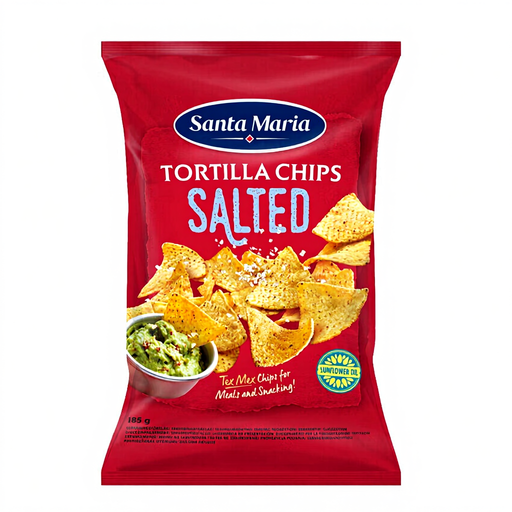
Why This Fits Their Persona: A classic, salted corn chip that's ideal for an appetizer board, a party, or simply to enjoy with a movie. The triangular shape is perfect for dipping in salsa or guacamole.
This product avoids the pitfall of over-processed snacks. The ingredient list is minimalist: cornmeal (78%), sunflower oil, and salt. No long list of artificial flavourings.
According to the manufacturer, the product is gluten-free. The pure corn flavour makes it a versatile base for various dips.
Are you specifically looking for corn for breakfast, such as cornflakes or other cereal products? There are several options available that are perfect for a mindful start to your day.
We have compiled a complete, up-to-date list of products that meet these selection criteria and current regulations.
Sweet corn is the variety we eat as a vegetable. The kernels are soft and contain a lot of sugar, which gives them their characteristic sweet taste. Popcorn is a different type of corn. These kernels have a hard, moisture-resistant hull and a starchy core. When heated, the steam inside the kernel builds up pressure, causing it to "pop."
A raw corn on the cob is best stored in the refrigerator with its husks still on. The husks protect the kernels from drying out. The cob will stay good for a few days this way. It is advisable to consume the corn as soon as possible, as the sugars gradually convert to starch after harvesting, which reduces its sweet flavour.
Not necessarily. Both canned corn and frozen corn are typically processed shortly after harvest, which helps retain many nutrients. The main difference often lies in the additives. Canned corn may contain added salt and sometimes sugar, whereas frozen corn usually consists of just pure corn kernels. The most direct way to check this is by reading the label on the packaging.
