
Vandaag of morgen in huis

Kwaliteit gegarandeerd

Welkomstaanbiedingen ontgrendelen: GRATIS bezorging | Tot 80% korting | Gratis 30 dagen JoyPlus-proefperiode
Download de app
When you want to buy sweet corn, you'll quickly come across many different packs: tinned corn, vacuum-packed corn on the cob, baby corn, waxy corn and ready-to-eat corn kernels. The differences aren't just about taste. The preparation method, portion size, texture, shelf life and ingredients list all determine whether a product suits your cooking style.
Corn kernels are handy for salads, pizza, soup and Mexican dishes. Corn on the cob, on the other hand, works well as a side dish, snack or barbecue item. Baby corn consists of young, small cobs and is often used in stir-fries and Asian recipes.
Always check the product name and what's inside the pack. A tin of baby corn won't automatically replace a portion of sweet corn kernels.
A 400g pack doesn't always contain 400g of drained product. With tinned or jarred corn, part of the weight is water. With vacuum-packed corn on the cob, the weight may include moisture.
Pay attention to:
For one salad, a small 150g pack may be enough. For a family or multiple meals, a multipack is often more practical.
Some products can be eaten straight from the pack, while others need to be boiled, steamed or heated first. Vacuum-packed corn usually clearly states whether heating is required.
Also check the storage instructions. An unopened pack can be stored outside the fridge, but once opened, the product must be chilled and used quickly. Damaged, leaking or swollen tins and pouches are best avoided.
Tinned corn is great for store cupboards and quick meals. An easy-open tin is handy when you don't want to use a tin opener. After opening, the corn shouldn't usually be kept in the tin; transfer leftovers to a sealed container and follow the label.
Vacuum-packed corn takes up little space and is often packed individually or in double portions. Check whether the product is ready to eat or still needs heating.
With corn on the cob, the number of pieces, size and cooking method are important. Products with two cobs are suitable for a meal with several people. Individually packed cobs are more convenient for breakfast, lunch or on the go.
For salads, loose, firm corn kernels are practical. For stir-fries, baby corn works better because the small cobs hold their shape and are easy to cook with.
Waxy corn, also known as glutinous corn, has a softer, stickier texture than regular sweet corn, according to product descriptions. This type works well as a snack, side dish or warm addition to soup and rice dishes. If you're after a crunchy bite, look for varieties that mention a firm or crispy texture in the product description.
Compare the ingredients list rather than just the front of the pack. Some varieties contain only corn, water and salt. Other products may include sugar, acidity regulators, starch or flavourings.
For organic corn, look for the official organic certification mark and the information on the pack. The product description for Bonduelle Crispy Corn - 300 g mentions organic farming and European certification. Always check the current label at the time of purchase, as the composition and certification information can change.
Nutritional values are useful for comparing products, but they don't on their own tell you which variety suits your diet. Pay particular attention to energy, carbohydrates, sugars, fibre and salt per 100g.
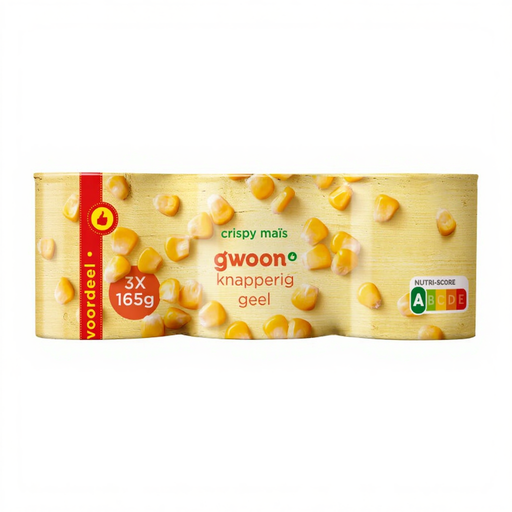
Why this fits the profile: Three small packs make it easy to divide portions across salads, wraps or a quick meal.
The pack states three portions of 165g. This helps you see in advance how much you can use per meal.
165g per pack; ingredients according to product information: corn and water.
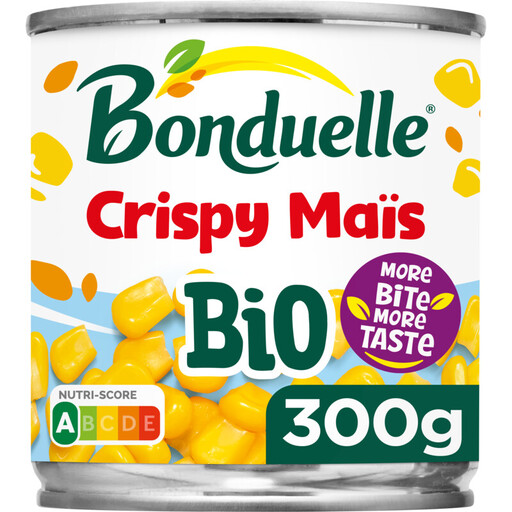
Why this fits the profile: An option for those looking for organic corn for salads, Mexican meals and dishes where colour and bite matter.
The product information mentions the steaming preparation method and states organic origin. Check the certification mark on the current label.
300g; 3.1g fibre and 0.3g salt per 100g according to the stated nutritional values.
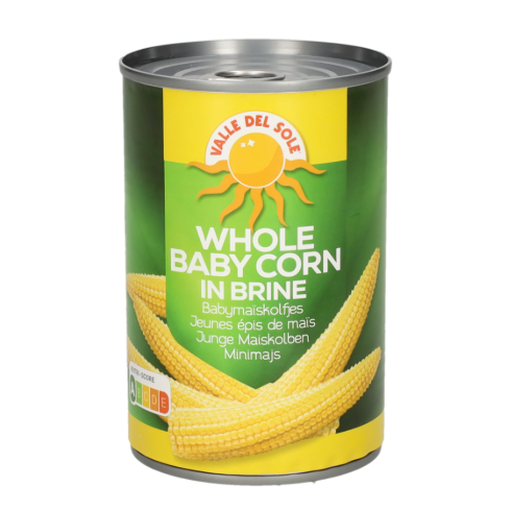
Why this fits the profile: Aimed at fans of Asian dishes and anyone who regularly uses corn for stir-fries.
The product is clearly labelled as baby corn. So you're buying small cobs rather than loose sweet corn kernels.
400g; ingredients list baby corn, water, salt and an acidity regulator.
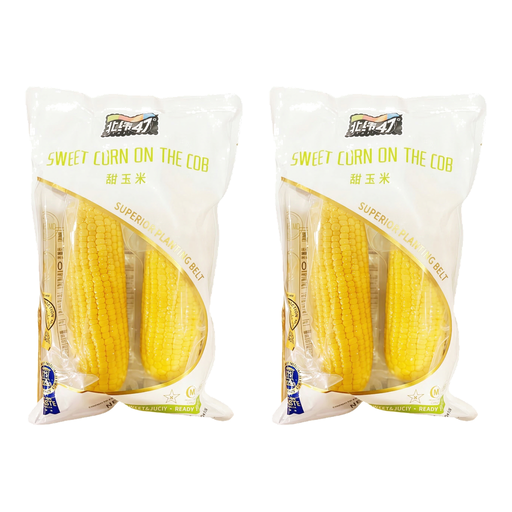
Why this fits the profile: The double pack suits families, meal prep and quick lunches where minimal preparation is desired.
The product description states that the corn can be eaten straight from the pack or heated briefly.
Two packs of 440g; suitable for salad, chowder and fried rice.
We've put together a full, up-to-date list of products that fully meet these strict selection criteria and comply with current European safety regulations.
Usually yes, provided the tin is unopened and undamaged. Drain the corn and rinse it briefly if you like. Always check the label and the best-before date. After opening, store leftovers chilled in a sealed container.
This varies by product. Follow the instructions on the pack and consume opened corn as soon as possible. Store leftovers in the fridge and don't use any product where the smell, colour or packaging seems off.
Sweet corn typically has loose, juicy kernels. Waxy corn, according to product descriptions, has a softer, stickier texture. Choose sweet corn for salads and loose kernels; choose waxy corn if you're after a firmer, more filling corn on the cob as a snack or side dish.
