
Vandaag of morgen in huis

Kwaliteit gegarandeerd

Welkomstaanbiedingen ontgrendelen: GRATIS bezorging | Tot 80% korting | Gratis 30 dagen JoyPlus-proefperiode
Download de app
A clean floor, hassle-free. That's the promise of a cordless vacuum and mop combo. Vacuuming and mopping in a single pass sounds like the ideal solution for a busy household. But the market is flooded with models that promise more than they can deliver. Many devices end up as an expensive mistake, relegated to a cupboard after just a few months.
Before you invest in an all-in-one floor cleaner, it's crucial to recognise the common pitfalls. This will prevent you from wasting money on a device that only complicates your cleaning routine.
The 3 most common pitfalls:
To make an informed choice, it's helpful to look beyond marketing terms. Focus on the technical specifications that truly make a difference in daily use.
A powerful motor is important, but the way the device manages water is at least as crucial. A good cordless wet and dry vacuum has two completely separate tanks: one for clean water and one for the vacuumed dirty water. Pay attention to the water recovery rate: a good system vacuums up almost all the dirty water immediately, ensuring your floor dries quickly and remains streak-free. This is essential for an effective hard floor cleaner for surfaces like laminate, tile, and even sealed parquet.
A self-cleaning cordless vacuum is not an unnecessary luxury. This feature automatically rinses the roller brush in the base station after use. The more advanced models go a step further:
Look closely at the design of the suction head. A brush that provides edge-to-edge cleaning is essential to avoid leaving dirt along the baseboards. Some models even feature dual-edge cleaning. Additionally, manoeuvrability is important. A device that can lie flat at 180 degrees makes it easy to clean under low furniture like sofas and beds.
Not every model is suitable for every situation. We have highlighted a few popular choices and matched them with specific user profiles.
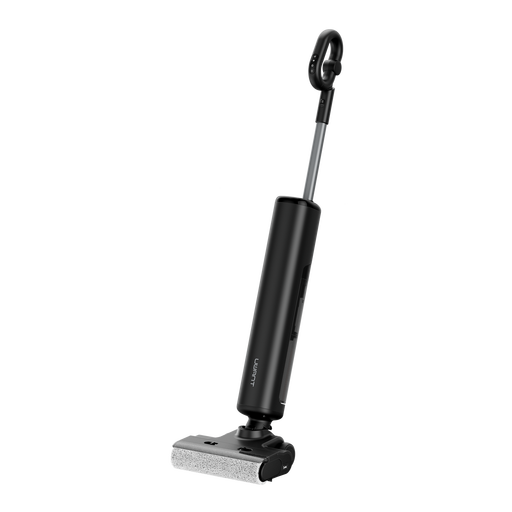
Why This Fits Their Persona: For families where spilled drinks, muddy paws, and pet hair are a daily occurrence, this model offers practical solutions. The lay-flat design makes cleaning under the sofa easy, and the dual-edge cleaning effectively tackles hair and crumbs along baseboards.
Tackles the 'poor edge cleaning' pitfall with its dual-sided edge-to-edge brush. The 'PushDock' self-cleaning station with hot water and hot air drying prevents the 'cumbersome maintenance' problem.
The 180° lay-flat design is a major advantage for reaching tricky spots. The smart AI automatically adjusts suction power and water flow, but you can also set the water level manually.
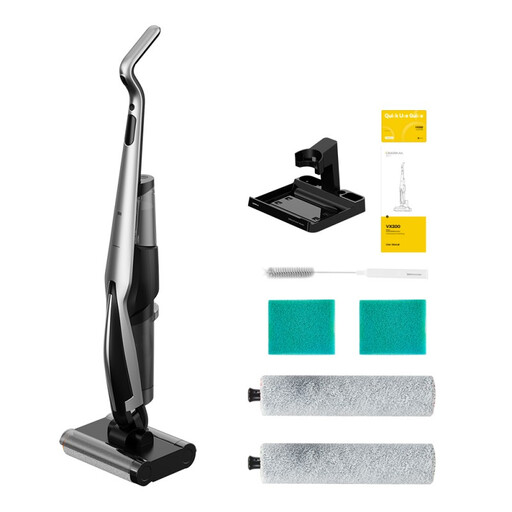
Why This Fits Their Persona: For those who put hygiene first. This model focuses on a deep clean with its dual roller brushes that intensively scrub the floor. The sterilisation function with electrolysed water offers an extra layer of assurance without the use of chemicals.
The dual roller brush with 840 rotations per minute prevents the 'smear-and-streak' pitfall by actively scrubbing the floor. The self-cleaning and drying program with 70°C hot water and hot air thoroughly addresses the maintenance issue.
The combination of a dual brush and 99.9% sterilisation with electrolysed water (according to the manufacturer) ensures a very thorough clean. The bi-directional drive makes the device easy to manoeuvre.
We have compiled a complete, up-to-date list of products that fully meet these strict selection criteria and UK regulations.
Yes, provided you choose a model with an active water flow, scrubbing brushes, and separate water tanks. These devices clean more actively than a traditional mop and immediately suction up the dirty water. Simple models that only use a wet pad are often less effective and cannot compare to a proper mopping session.
Preferably, choose a model with a self-cleaning function that uses hot water and hot air. This is the most effective way to keep the brush clean and dry, which prevents bacterial growth and unpleasant odours. Additionally, always empty and rinse the dirty water tank immediately after use.
Yes, but caution is advised. Use a vacuum and mop in one where you can manually adjust the water output. Choose the lowest water setting for sealed wooden floors and parquet. Do not let the device stand still in one place and check that the floor dries quickly. The excellent water recovery of modern models is a major advantage here.
