
Vandaag of morgen in huis

Kwaliteit gegarandeerd

Welkomstaanbiedingen ontgrendelen: GRATIS bezorging | Tot 80% korting | Gratis 30 dagen JoyPlus-proefperiode
Download de app
Buying a new coffee sounds simple, until you have to choose between espresso capsules, instant coffee, coffee concentrate, syrup or ready-made café au lait. Packaging often highlights aroma, intensity or low calorie content, while important details are less obvious. These include whether it’s compatible with your coffee machine, how much sugar it contains and how it’s actually prepared.
Comparing your options carefully can help you avoid a disappointing purchase. Look out for these common pitfalls:
Espresso capsules are convenient, but always check which type of machine they’re suitable for. For example, the product description for Cafe Nova Radiante Espresso says it can be used in a compatible coffee machine. That doesn’t automatically mean every capsule will fit every system.
Instant coffee and sticks don’t require a machine. Usually, you just add hot water. With coffee concentrate, the amount you use matters: some varieties need to be diluted with water, milk or a plant-based drink. So check:
Compare the ingredients list with your own preferences. For example, a product labelled sugar-free coffee may contain sweeteners. Yongpu caramel macchiato concentrate lists erythritol as a sweetener and 0 grams of sugar per serving. According to the product information, the stated serving contains 4.5 kcal.
By contrast, sugar is the main ingredient in Douwe Egberts Hazelnut Coffee Syrup. The nutritional information states that it contains 78.1 grams of sugar per 100 ml. This syrup is intended to be added to coffee, not drunk as coffee on its own. Also check the allergens: the syrup contains hazelnut.
If you’re looking for low-calorie coffee, it’s worth checking the values for the prepared serving. Milk, condensed milk, syrup and sugar can all increase the nutritional content of your cup.
Taste is personal, but product information can help you narrow down your options. According to its product description, Cafe Nova Radiante Espresso is a medium-roast 100% Arabica blend, with an intensity of 07/12 and notes of grapefruit and almond.
Café au lait sticks are a handy choice if you prefer a creamier drink. AGF Espresso Au Lait contains coffee, milk ingredients and sweeteners. Its product description states that it has 50% less sugar than regular café au lait of the same type, but always check the current packaging and nutritional information.
Matcha coffee and cocoa coffee combine coffee with other ingredients. According to its product description, the YONGPU KOSEI mix contains matcha powder, cocoa powder and coffee powder. It can be prepared with 160 to 260 ml of hot or cold water, or with milk. Some sediment may be normal, according to the product information, so give it a good stir as part of the preparation.
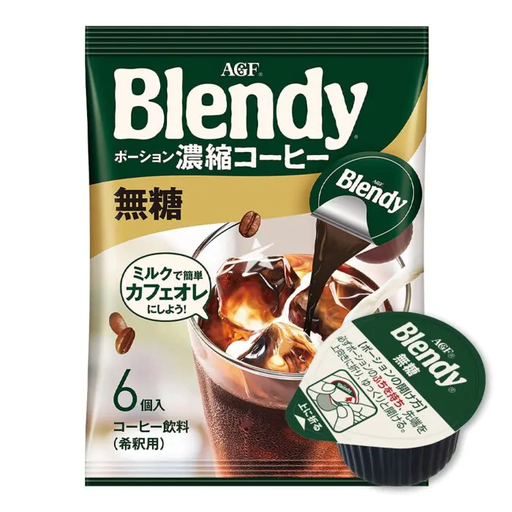
Why it suits this profile: A compact, portion-sized pack for making an unsweetened coffee drink without a coffee machine.
The product information lists water, coffee, flavouring, a stabiliser and an emulsifier, with no added sugar listed as an ingredient. Do check the current packaging.
6 servings, 28 kcal per 100 g according to the product information, and easy to combine with water or milk.
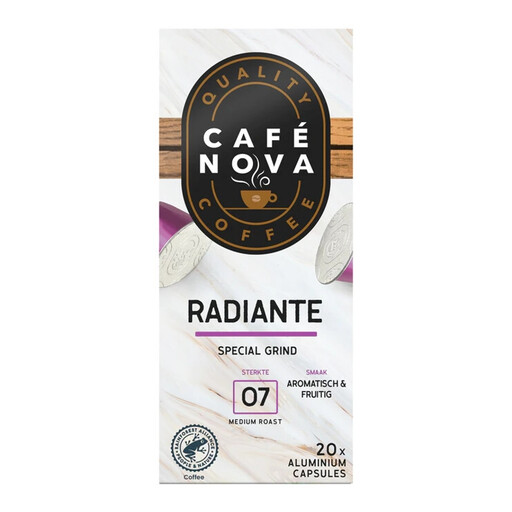
Why it suits this profile: For espresso lovers who use a compatible capsule machine at home.
The pack states that it contains 20 capsules, with a medium roast and an intensity of 07/12. Check that your machine is compatible before buying.
100% Arabica according to the product description, with grapefruit and almond notes and a portion size for quick preparation.
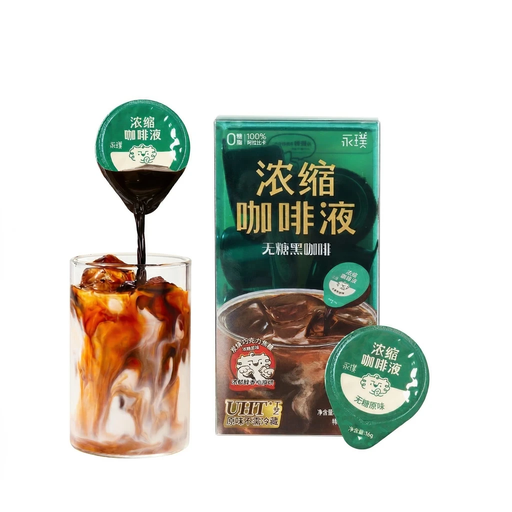
Why it suits this profile: Handy for quickly making an Americano or latte at home, in the office or on the go.
The product information states that it contains 126 grams, comes in individual portions and has no sugar or fat. Note the stated high caffeine content and usage warning.
According to the product information, 0 kcal per 100 grams and suitable for preparation with hot or cold water, milk or another base.
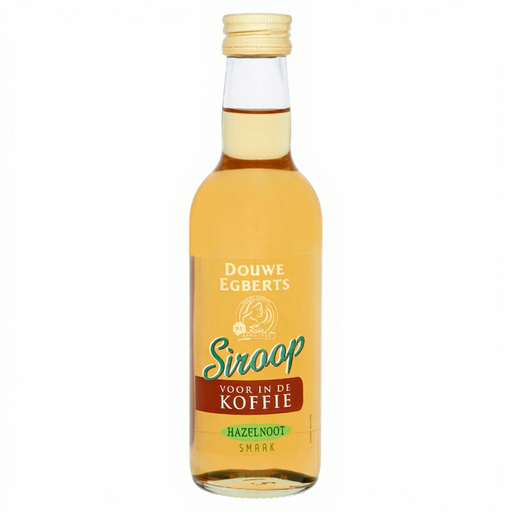
Why it suits this profile: For anyone who wants to add a hazelnut flavour to their usual coffee without buying a new machine.
The product information clearly lists sugar and hazelnut, helping you keep allergens and sugar intake in mind.
250 ml, easy to add to coffee and ideal for creating your own hazelnut-flavoured recipes.
We’ve put together a complete, up-to-date list of products that meet these strict selection criteria and the current European safety regulations.
It depends on the serving size, pack and how often you prepare it. Don’t just compare the price per box; work out the cost per cup. With capsules, you’re paying for convenience and machine compatibility. Coffee concentrate can be handy for different preparation methods, while instant coffee often requires very little preparation.
Store coffee according to the instructions on the packaging. Dry coffee, such as capsules and sticks, should generally be kept dry and in a tightly sealed container. Liquid concentrate may need to be refrigerated once opened. Check the best-before date and label instructions, and look out for changes in smell, colour or packaging.
Follow the recommended dosage on the packaging. A common method is to mix one serving with hot or cold water. For a latte, you can use milk or a plant-based drink. Stir well and adjust the amount of liquid to suit your preferred strength. If the product is high in caffeine, check the warnings and recommended serving size.
