
Vandaag of morgen in huis

Kwaliteit gegarandeerd

Welkomstaanbiedingen ontgrendelen: GRATIS bezorging | Tot 80% korting | Gratis 30 dagen JoyPlus-proefperiode
Download de app
A box of ginger tea might seem simple to pick, but the differences between products are huge. One product consists of loose herbs in a tea bag, while another is mainly a sweet ginger paste or instant powder. If you only look at the front of the packaging, you could end up with a very different taste and composition than you expected.
These three common pitfalls are worth watching out for:
First, look at the order of the ingredients. They are usually listed from largest to smallest amount. With Pickwick Ginger Goodness Lemon, the blend contains 51% ginger according to the product information, along with lemongrass and 2% lemon peel. Clipper Lemon & Ginger lists 50% organic ginger root, lemongrass and 14% lemon peel.
For a pronounced flavour, look for ginger root, ginger powder, ginger extract or ginger concentrate near the top of the list. A product with lots of sugar and only a small amount of ginger will have a sweet rather than a spicy profile. Also keep an eye out for liquorice. It appears in several herbal tea blends; the packaging of some products states that people with high blood pressure should avoid excessive consumption.
A herbal tea with ginger and lemon is usually caffeine-free herbal tea, but that doesn’t automatically apply to every chai. Pickwick Spices Warming Chai contains black tea and is therefore not the same as a caffeine-free herbal infusion. Yogi Tea Turmeric Chai Tea lists a herbal blend including turmeric, cinnamon, ginger, cardamom and black pepper.
If you want to drink tea in the evening, check whether black tea appears in the ingredients list. For a ginger and lemon tea with no added sugar, bags such as Pickwick Ginger Goodness Lemon or Clipper Lemon & Ginger are sensible options. The nutritional information for Pickwick shows just 1 kcal and 0 grams of sugar per 100 ml.
With instant drinks, it’s a different story. Ranong Tea Ginfresh Strong consists of 80% ginger powder and brown sugar according to the product information. Nokchawon Ginger Tea contains sweetened ginger, ginger extract and several sugars; the product information states 59 grams of sugar per 100 grams. That doesn’t have to be a problem, but it’s important to factor it into your choice.
Ginger tea bags are handy for work, on the go or for a single mug. Check the number of bags and the recommended steeping time. Pickwick advises 3 to 5 minutes; Clipper products are sold in boxes of 20 individually wrapped bags.
A jar or powder is suitable if you drink tea regularly. Nokchawon Ginger Tea comes in a 480 g pack and TBEST Drinks Ginger Tea is available in a 500 g jar. Such packs can be practical for multiple cups, but once opened you need to seal them properly and store them according to the label.
An instant ginger drink is prepared by mixing powder or a portion with hot water. The Instant Ginger Tea Latte from Gold Kili contains ginger extract and skimmed milk powder, among other ingredients. This is more of a creamy drink than a light herbal tea. So check for milk allergens and possible traces of wheat, oats, barley, soya or sesame.
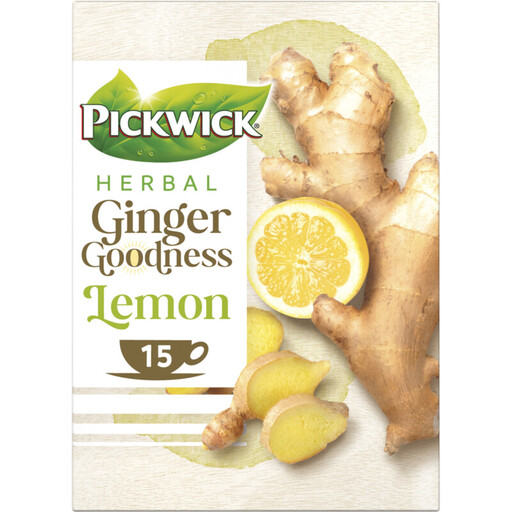
Why this fits the profile: An accessible choice if you want to try ginger tea with lemon in individual portions. According to the product information, the infusion is naturally caffeine-free and contains 15 bags.
The ginger percentage and lemon peel are clearly stated. The nutritional information shows 0 grams of sugar per 100 ml.
Ginger (51%), lemongrass, lemon peel and 15 individual tea bags.
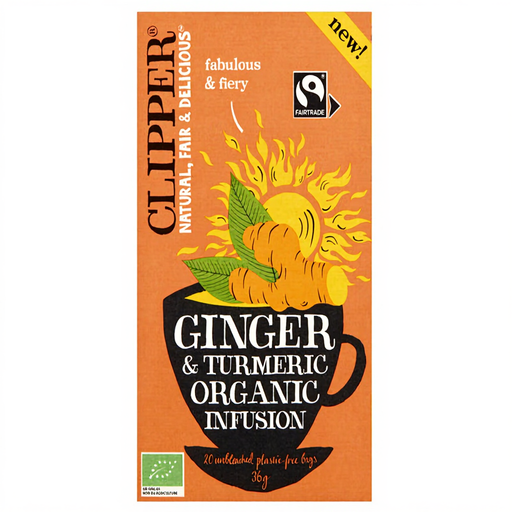
Why this fits the profile: An organic ginger tea for anyone seeking a distinctive herbal blend and clear certification information.
The product information lists organic ingredients and states the proportions: 65% ginger and 12% turmeric.
20 individually wrapped bags, naturally caffeine-free according to the product description, with ginger, turmeric, lemongrass, cinnamon and black pepper.
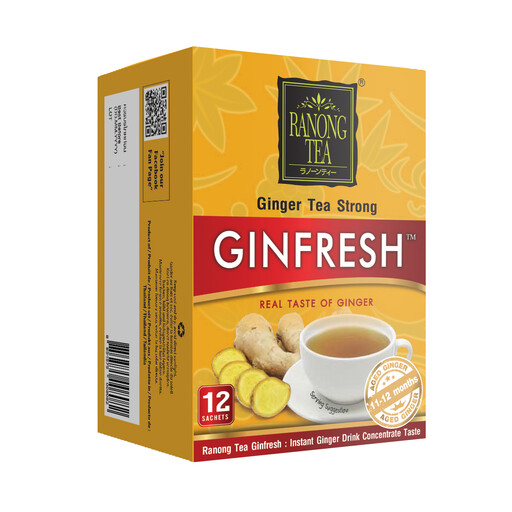
Why this fits the profile: For anyone who wants a strong ginger tea experience and wants to prepare multiple servings quickly with hot water.
The high proportion of 80% ginger powder is clearly stated. At the same time, brown sugar is listed in the ingredients, so you can factor the sweetness into your decision.
Instant preparation, 180 g pack, 80% ginger powder and Halal certification according to the product information.
We’ve put together a full, up-to-date list of products that fully meet these strict selection criteria and comply with current European safety regulations.
A pure herbal infusion with ginger, lemon, turmeric or cinnamon is usually caffeine-free. But do check the ingredients. Chai with black tea, such as Pickwick Spices Warming Chai, contains black tea and is therefore different from caffeine-free herbal tea.
With tea bags, use the recommended steeping time, usually 3 to 5 minutes. A longer steeping time can make the flavour more intense, but it can also bring out bitterness from other herbs. With instant ginger drinks, follow the ratio on the packaging and use hot water. Ranong Tea Ginfresh Strong is designed to be prepared with hot water.
Unopened tea keeps until the date on the packaging. Store bags, powders and jars in a dry, cool place away from direct sunlight. Seal an opened pack properly. For a jar of sweetened ginger or a paste, different storage instructions may apply after opening, so always follow the label.
