
Vandaag of morgen in huis

Kwaliteit gegarandeerd

Welkomstaanbiedingen ontgrendelen: GRATIS bezorging | Tot 80% korting | Gratis 30 dagen JoyPlus-proefperiode
Download de app
Buying ginger tea might seem straightforward, but the differences between products are significant. A bag of pure herbs is quite different from a sweet instant mix, a ginger drink from a jar, or green tea with ginger. If you only look at the product name or an attractive packet, you could end up with a drink that is too sweet, contains caffeine, or has less ginger than you expected.
This buying guide will help you compare ginger tea on ingredients, caffeine, sugar, preparation method and packaging. That way, you can choose a product that suits your daily routine and taste preferences.
The name ginger tea doesn’t automatically mean the product is mostly made of ginger. Always check the ingredients list and the order they appear. Ingredients are usually listed in descending order of quantity. If sugar, fructose or glucose appears before ginger, it is likely a sweetened mix.
For example: Nokchawon Ginger Tea contains, according to the product information, 20% sweetened ginger and 1.8% ginger extract, alongside fructose and sugar. That gives a very different flavour profile from a herbal tea with a high proportion of ginger root.
An infusion of ginger, lemon, rooibos or turmeric is naturally caffeine-free. A product containing green tea, matcha or black tea may well contain caffeine. Pickwick Ginger & Lemongrass Green Tea is therefore not the same as a caffeine-free ginger tea.
If you want to drink it in the evening, look specifically for terms such as herbal infusion, rooibos or naturally caffeine-free. With blended products, always check the full ingredients list.
A jar of 480 or 560 grams might look appealing for daily use, but sweetened ginger drinks can have different storage requirements once opened. Pay attention to instructions about keeping the product refrigerated after opening, the shelf life, and how much you use per cup.
With instant products, the number of sachets matters more than just the total weight. A 250-gram pack with 25-gram sachets, for example, contains ten servings. That makes it much easier to compare.
Don’t just compare the product name; also look at the percentage of ginger and the form in which ginger has been added:
If you are looking for organic ginger tea, look for a valid organic certification mark rather than just words like “natural”. With blended products, some ingredients may come from certified cultivation under the mass balance principle. Check the packaging for details.
Instant mixes, ginger lattes and ginger drinks often contain sugar or syrup. The nutritional information gives you a verifiable picture. The Instant Ginger Tea Latte 250 g, for example, states 56 grams of sugar per 100 grams of powder. The Goldkili Instant Ginger Lemon Drink states around 16.1 grams of sugar per 18-gram serving.
A herbal infusion in tea bags usually contains far fewer calories when you don’t add sugar. The Pickwick Ginger Goodness Lemon Herbal Tea states, according to the product information, less than 0.2 grams of carbohydrates and 1 kcal per 100 ml of prepared drink. Bear in mind that adding honey or sugar will change the nutritional value of your cup of tea.
Choose the format that matches how you drink your tea:
If you have allergies, always check the allergen information. The Gold Kili Ginger Tea Latte contains milk and may contain traces of soya, wheat, oats, barley and sesame, among others. “Free from the 14 major EU allergens” also does not mean that every ingredient is suitable for every individual.
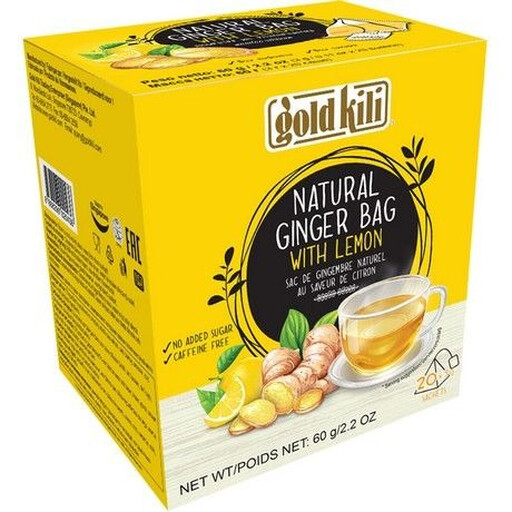
Why this fits the profile: A compact choice for anyone wanting to try ginger lemon tea without committing to a large jar or a sweet latte straight away. According to the product information, this herbal tea is caffeine-free and contains mainly ginger and lemon.
The product description lists ginger and lemon as the main ingredients and mentions no artificial additives or caffeine. Do check the current label before purchase.
Ginger and lemon flavour, small 60-gram pack and, according to the product information, around 3 kcal per 100 ml.
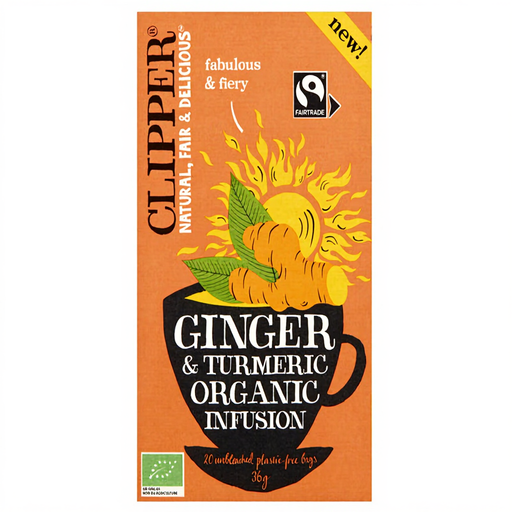
Why this fits the profile: For anyone seeking an organic herbal infusion with a distinctively spicy profile. The product information states 65% ginger, 12% turmeric, lemongrass, cinnamon and black pepper.
The ingredients and percentages are clearly stated. The description mentions organic cultivation for the marked ingredients and no artificial additives.
20 individually wrapped tea bags, naturally caffeine-free and suitable for vegetarians and vegans according to the product information.
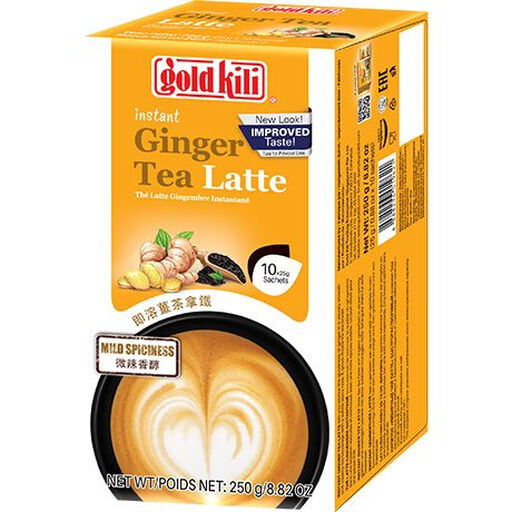
Why this fits the profile: For anyone who wants to make a creamy ginger latte quickly. The mix comes in 25-gram sachets and, according to the product description, only needs to be mixed with hot water.
The portions are pre-measured. At the same time, it clearly states that the mix contains milk and 56 grams of sugar per 100 grams, so you can make a choice that suits your dietary preferences.
10 sachets of 25 grams, creamy texture according to the product description and Halal-certified according to the stated product specification.
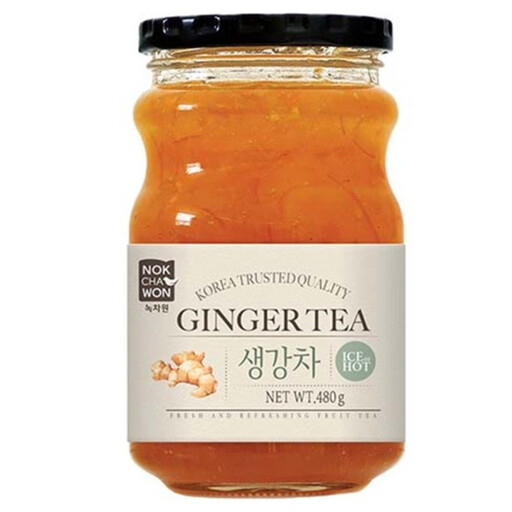
Why this fits the profile: A large jar for anyone who regularly enjoys a sweet, Asian-style ginger drink and prefers not to use individual sachets each time.
The nutritional information states 59 grams of sugar per 100 grams. That makes it immediately clear that this is a sweetened drink mix, not a pure herbal infusion.
480-gram content, sweetened ginger and, according to the product information, free from the 14 major EU allergens.
We have put together a full, up-to-date list of products that fully meet these strict selection criteria and comply with current European safety regulations.
Pure ginger infusion is naturally caffeine-free. That is usually also true for ginger lemon tea, ginger turmeric tea and rooibos with ginger. A blend with green tea, matcha or black tea may contain caffeine. Always check the ingredients list on the label.
An unopened pack is good up to the date on the packaging, provided you store it in a cool, dry place away from direct sunlight. Once opened, you must seal the pack tightly. Some jars, such as a larger ginger drink, need to be refrigerated after opening according to the product information. Always follow the specific storage and shelf-life instructions from the manufacturer.
That depends on the serving size and the dosage. Instant mixes are practical and pre-measured, but they more often contain sugar and sometimes milk powder. Tea bags generally contain fewer ingredients and are easy to compare per cup. So work out the cost per cup and compare the sugar content and the preparation method you prefer as well.
