
Vandaag of morgen in huis

Kwaliteit gegarandeerd

Welkomstaanbiedingen ontgrendelen: GRATIS bezorging | Tot 80% korting | Gratis 30 dagen JoyPlus-proefperiode
Download de app
Buying Chocomel chocolate milk may seem straightforward: choose a flavour, pick a pack and add the product to your basket. However, differences in contents, nutritional values, portion size and shelf life can determine whether a pack is right for your household. Particularly when shopping online, it is sensible not to focus solely on the product photo or familiar brand name.
Many Dutch consumers run into the same pitfalls. A small pack may be convenient, but is often less cost-effective per litre. A variant labelled “0% added sugar” does not automatically contain no sugars. And a description such as “semi-skimmed” mainly refers to the fat content, not the total amount of carbohydrates or calories.
The front often shows the flavour, brand and serving suggestions such as “hot or cold”. For a proper comparison, the ingredients list, nutrition table, pack size and allergen information are what really matter.
For example, check:
According to the product descriptions of some Chocomel variants, the drink contains milk and cocoa, while other variants also use sweeteners. Always check the current label, as recipes and packaging may change.
The search term Chocomel with no added sugar can be confusing. Milk naturally contains lactose, a milk sugar. A drink can therefore have no sugar added to the recipe according to the product description and still list sugars in the nutrition table.
For the 1-litre Chocomel variant, the available product information refers to 0% added sugar. At the same time, the table states 5.1 grams of sugars per 100 ml and the ingredients list mentions sweeteners. Use this information for comparison, but base your final choice on the label of the pack you receive.
A 1-litre chocolate milk is suitable for families or several glasses at home. For an individual break or lunch, a 300 ml bottle may be more convenient. Anyone who regularly serves chocolate milk could consider a tray of 24 x 200 ml. The portions are pre-divided, but storage space and the price per litre deserve extra consideration.
Compare products using the same unit, preferably price per litre. A 1-litre pack usually contains several glasses. With a 200 ml serving, a 1-litre pack provides around five portions. A 300 ml bottle is more suited to a single drinking occasion.
For stocking up in a Dutch household, the best-before date and storage conditions are also important. According to the product information, UHT chocolate milk can be stored outside the fridge while unopened, but must be refrigerated after opening. Always check the date and instructions on the packaging.
The term Chocomel semi-skimmed refers to semi-skimmed chocolate milk. The available information gives the 1-litre variant approximately 1.6 grams of fat per 100 ml and 70 kcal per 100 ml. The Original variant lists approximately 2.7 grams of fat and 87 kcal per 100 ml.
That does not automatically make the semi-skimmed variant suitable for everyone. Flavour, ingredients, sugar content and portion size remain relevant. Compare the complete table rather than focusing on just one nutritional value.
Milk is an important consideration. The standard variants list milk as an allergen. For consumers who avoid lactose, there is a Chocomel lactose-free variant. According to the product description, it contains 0.01 grams of lactose per 100 ml, but the product still contains milk and is therefore not the same as a fully plant-based drink.
If you have an allergy, check the label carefully. A lactose-free description is not a general allergen-free claim. If in doubt, consult the manufacturer’s information on the packaging.
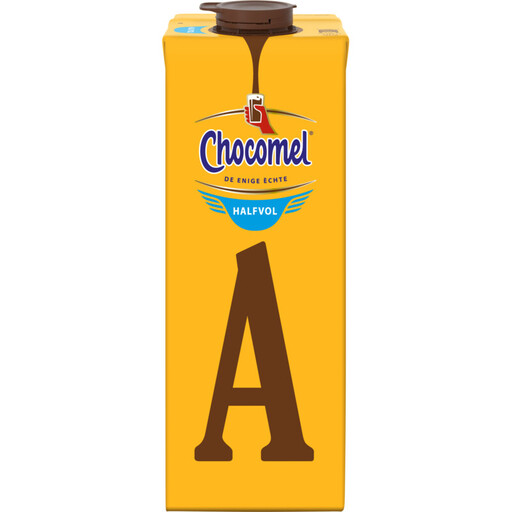
Why it suits this profile: A straightforward 1-litre pack for anyone who wants to try a familiar semi-skimmed chocolate drink first.
The pack size and nutritional values are clearly stated, so you do not have to rely solely on the wording on the packaging.
1 litre; approximately 70 kcal and 1.6 grams of fat per 100 ml according to the product information.
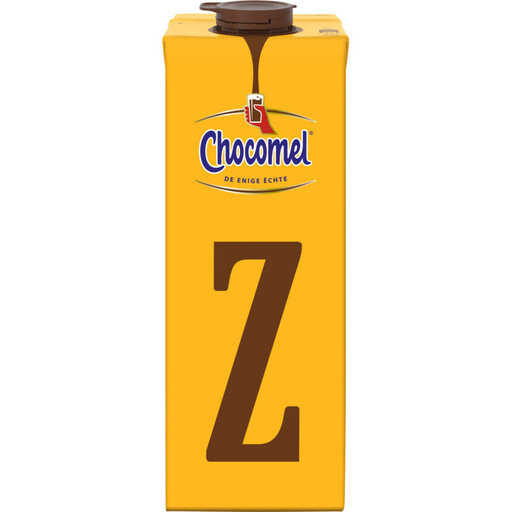
Why it suits this profile: Designed for consumers looking for the classic recipe and a creamy chocolate milk for home.
The ingredients list names semi-skimmed milk, sugar, 1.7% cocoa and stabiliser, making the recipe easy to check.
1-litre pack; approximately 87 kcal per 100 ml according to the product information; suitable for drinking hot or cold.
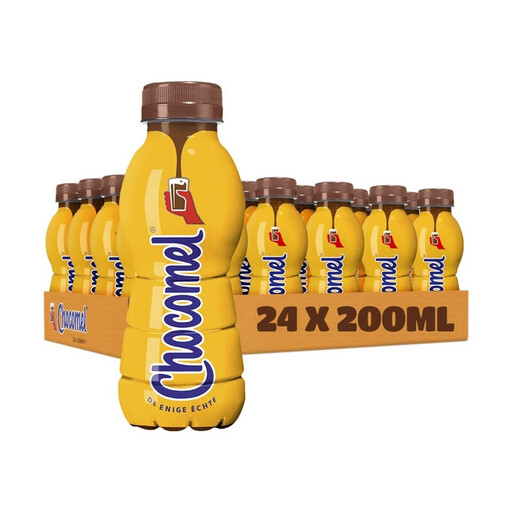
Why it suits this profile: Convenient for families, offices, sports clubs or households where a small portion is taken out regularly.
The 200 ml portions reduce leftovers after opening and avoid having to refrigerate a 1-litre pack repeatedly.
24 bottles of 200 ml; suitable for drinking on the go; according to the product information, can be served hot or cold.
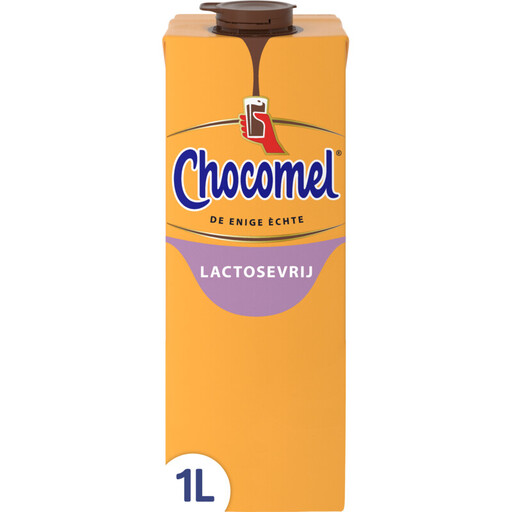
Why it suits this profile: An option for anyone specifically looking for lactose-free chocolate milk while still wanting a milk-based drink.
The product description explicitly states a lactose content of 0.01 grams per 100 ml. Check this on the label you receive too.
1 litre; 1.6 grams of fat per 100 ml; according to the product information, suitable for hot and cold preparation.
The available product information states that several variants can be enjoyed both hot and cold. Warm chocolate milk gently in a saucepan or microwave, stirring occasionally. Do not let the drink boil. For cold use, shake the pack first and then pour it chilled.
An opened pack should be kept in the fridge, generally at a maximum of 7 °C. Drink the contents within the period stated on the packaging. Shelf life before opening may vary by product and batch, so always check the date on the pack or bottle.
We have put together a complete, up-to-date list of products that fully meet these strict selection criteria and the applicable European safety regulations.
That depends on your preference and the occasion. Cold chocolate milk is practical for breakfast, lunch or drinking on the go. Hot chocolate milk is ideal for a relaxed drink. According to the product descriptions of the variants mentioned, they are intended for both ways of serving.
Keep an opened pack in the fridge and follow the after-opening guidance on the label. The product information for several variants states that they can be kept for a few days at a maximum of 7 °C. Close the pack securely and do not use the drink if the seal was damaged before opening.
No. According to the product description, the lactose-free variant is made with lactose-free milk and still contains milk. Anyone who needs to avoid milk or dairy products completely should choose a different product and check the allergen information carefully.
