
Vandaag of morgen in huis

Kwaliteit gegarandeerd

Welkomstaanbiedingen ontgrendelen: GRATIS bezorging | Tot 80% korting | Gratis 30 dagen JoyPlus-proefperiode
Download de app
A carton of chocolate milk might seem easy to choose, but products can differ more than their packaging suggests. Consider the size, sugar content, fat content and how long it keeps once opened. Terms such as “lactose-free” or “no added sugar” can also create the wrong expectations.
If you only look at the brand or special offer, you might buy too much for a small household, choose an awkward size for a lunchbox or expect a sugar-free product when it actually contains naturally occurring sugars. Use these checks to compare Chocomel, semi-skimmed chocolate milk and other chocolate drinks in a practical way.
A 1-litre bottle or carton of chocolate milk is handy for sharing at home or pouring several glasses. Once opened, however, it needs to be kept chilled and used within the period stated on the packaging. A 1-litre carton may suit a family, while a small household could find that more goes to waste.
For days out, school or work, individual portions are more practical. A small carton of chocolate milk or a 200 ml bottle is already portioned for one person. On the other hand, individual packs can work out more expensive per litre and create more packaging waste.
Some packaging says chocolate milk with no added sugar. This doesn’t automatically mean the product contains no sugars. Milk naturally contains lactose, so always check the nutrition table and ingredients list.
A product containing sweeteners may also taste different from regular chocolate milk. So don’t just look at the front of the pack: check which sweeteners are used, the carbohydrate content and the amount of sugars per 100 ml.
Lactose-free chocolate milk still contains milk as an ingredient, so it isn’t suitable for anyone with a milk allergy. According to the product information, Chocomel Lactose Free contains 0.01 grams of lactose per 100 ml, but it does contain milk. If you have an allergy, always check the latest allergen information on the packaging.
Semi-skimmed tells you something about the milk fat, but not directly about the sugar content or calories. Compare these values per 100 ml:
Values can vary between brands and recipes. For example, Melkan Semi-Skimmed Chocolate Milk lists 64 kcal, 1.7 grams of fat and 7.8 grams of sugars per 100 ml. Chocomel Semi-Skimmed lists 70 kcal, 1.6 grams of fat and 9.7 grams of sugars per 100 ml. These figures come from the product information provided; always check the label before buying.
Choose a size to suit when you plan to drink the chocolate milk:
A multipack of chocolate milk can be appealing for families, but check the total volume and use-by date. A tray of 24 x 200 ml bottles contains 4.8 litres. That’s a generous supply and needs plenty of storage space.
Check whether the product is made with semi-skimmed, whole or lactose-free milk. Also look out for cocoa, sugar, stabilisers, flavourings and sweeteners. Milk is an allergen in the products mentioned. Product information may change, so use the packaging as your final check before drinking.
For hot chocolate milk, you can choose a product described as suitable for drinking both hot and cold. Heat it gently and follow the instructions on the packaging. Shake the pack, whether open or unopened, if instructed to do so, to distribute the ingredients evenly.
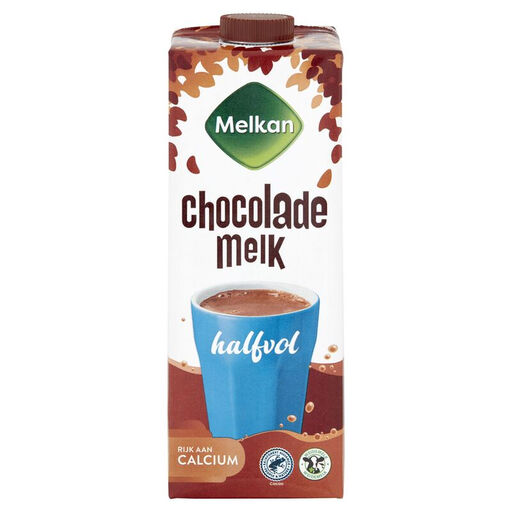
Why it suits this need: A handy 1-litre carton for anyone wanting to try chocolate milk at home without buying a multipack straight away.
The product information clearly states the 1-litre size, 94% semi-skimmed milk and nutritional values per 100 ml. This lets you check the size and ingredients in advance.
64 kcal and 7.8 grams of sugars per 100 ml according to the product information; described as suitable for preparing hot or cold.
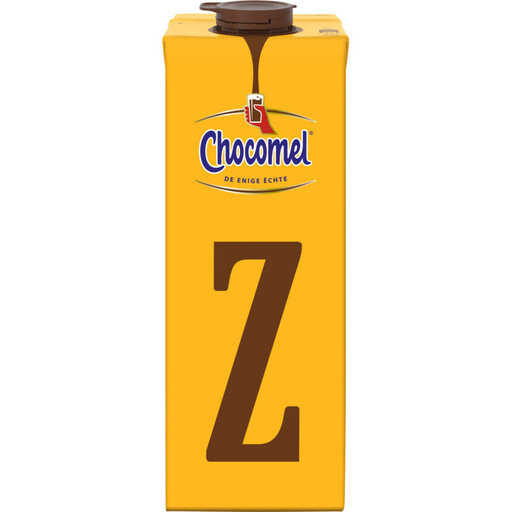
Why it suits this need: For anyone looking for a familiar Chocomel option in a shareable size for home.
The pack size, serving suggestions and storage advice are specified. So you’ll know it needs to be kept chilled once opened.
1 litre; 70 kcal and 9.7 grams of sugars per 100 ml according to the product information for this semi-skimmed option.
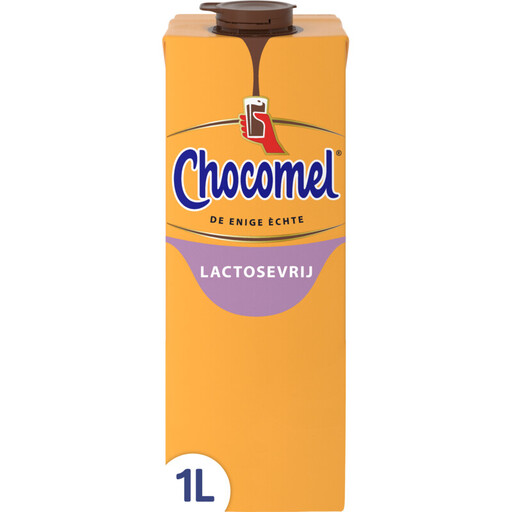
Why it suits this need: A targeted choice for consumers looking to limit lactose while still enjoying a milk-based chocolate drink.
The product information explicitly states 0.01 grams of lactose per 100 ml. The label also confirms that it contains milk, so you won’t confuse lactose-free with dairy-free.
1-litre UHT carton; 69 kcal and 9.8 grams of sugars per 100 ml according to the nutrition table provided.
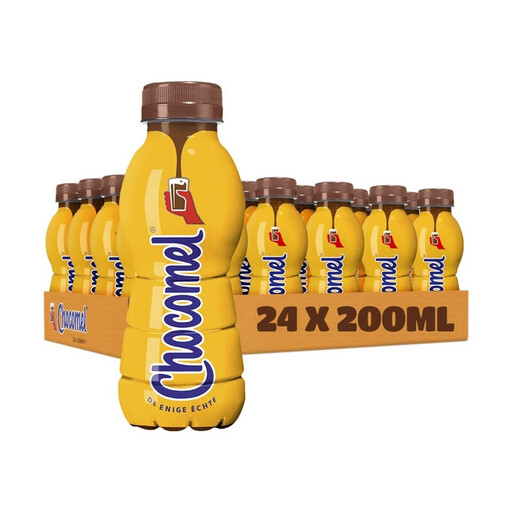
Why it suits this need: The individual bottles are suitable for several family members, lunchboxes and keeping a regular supply in stock.
Each bottle contains 200 ml, so there’s no need to take an opened 1-litre carton with you. Just check that 24 bottles suit how much you’ll use.
24 individual bottles; 86 kcal and 11 grams of sugars per 100 ml according to the product information.
We’ve put together a full, up-to-date list of products that meet these strict selection criteria and the applicable European safety regulations.
It depends on the product description. Several of the options mentioned are described as suitable for drinking both hot and cold. Heat chocolate milk gently and follow the instructions on the packaging. Once opened, keep the carton chilled.
Chocolate milk generally needs to be kept in the fridge once opened, at a maximum of around 7 °C if that’s stated on the packaging. Use the product within the period indicated. Shelf life varies by brand and packaging, so check the label and closure.
Portions of 200 ml or 300 ml are practical for taking with you. A multipack of 24 x 200 ml is particularly suitable for families or anyone who regularly packs a lunchbox. If you drink chocolate milk less often, it’s better to start with one small carton or a 1-litre carton and see how often you use it.
