
Vandaag of morgen in huis

Kwaliteit gegarandeerd

Welkomstaanbiedingen ontgrendelen: GRATIS bezorging | Tot 80% korting | Gratis 30 dagen JoyPlus-proefperiode
Download de app
Whether you're mixing the perfect gin and tonic or just looking for a refreshing drink, buying the right tonic can be a challenge. The shelves are lined with bottles, each promising something different. As a Joybuy Product Recommendation Officer, I'm here to help you cut through the marketing jargon and make a choice that suits your taste and budget. Let's look at the most common pitfalls.
Pitfall 1: The 'Premium' Label with No Substance Many brands position their tonic as "premium" or "artisanal," often with an accompanying price tag. But what does that really mean? Sometimes, not much more than a fancy label. True quality lies in the ingredients, not the marketing. A high price doesn't always guarantee better flavour or natural components.
Pitfall 2: The Hidden Sugar Bomb A good mixer should complement the flavour of your drink, not overpower it. Many tonics and mixers contain a surprising amount of sugar, which can completely mask the subtle aromas of a gin or other spirit. This not only leads to an overly sweet cocktail but also adds unnecessary calories.
Pitfall 3: The 'One-Size-Fits-All' Myth Not every tonic suits every gin or every cocktail. A classic, bitter Indian Tonic can clash with a delicate, floral gin. Conversely, a soft, fruity tonic can be completely lost when paired with a powerful, spicy spirit. The wrong combination can make or break your drink.
To sidestep these pitfalls, it helps to pay attention to a few objective characteristics. This way, you can make an informed decision, independent of marketing claims.
The signature bitter taste of tonic comes from quinine, an extract from the bark of the cinchona tree. The balance between this bitterness and the sweetness is crucial. Check the label for the sweeteners used:
sugar-free tonic or 'zero' versions. These offer a sweet taste without the calories, making them a great option if you're looking for a less sweet or low-calorie mixer.Mixers come in all sorts of flavours. Choosing the right one depends on what you plan to use it for. These are the most common cocktail mixers:
Packaging isn't just a matter of convenience; it also affects quality.
soft drink deal can often be found in bulk packaging.Based on these criteria, we've highlighted a few popular choices that cater to different preferences.
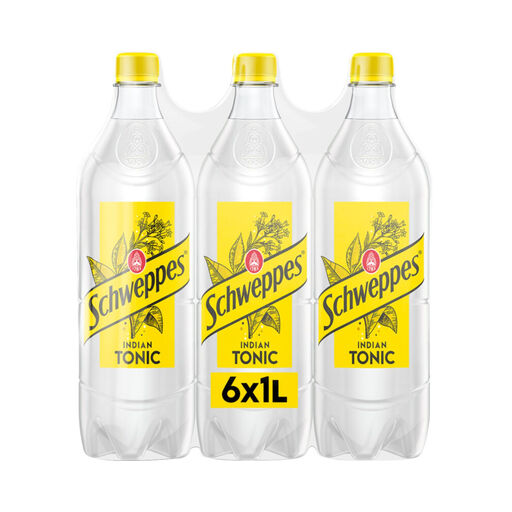
Why This Fits Their Persona: This is the reliable standard for those who appreciate a no-nonsense gin and tonic. The flavour is consistent and lets the gin take center stage, just as it should.
This tonic doesn't pretend to be something it's not. It's a classic Indian Tonic with a balanced, bitter flavour that isn't overly sweet (5.8 g sugar per 100 ml).
The litre bottles are ideal for home use or for drinks with friends. A well-known and trusted flavour that is widely versatile.
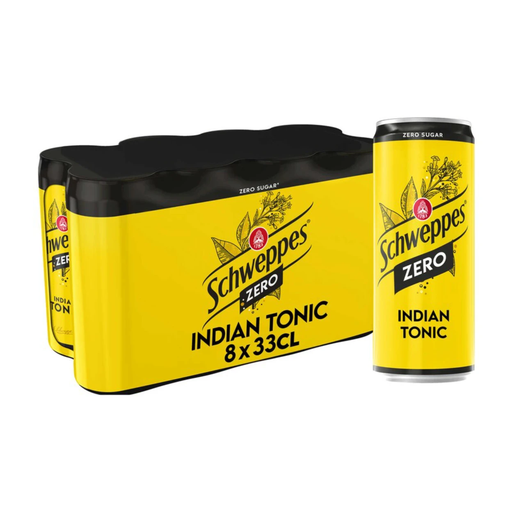
Why This Fits Their Persona: For those who want the refreshing bitterness of tonic without the sugars. Ideal for a lighter gin and tonic or if you're watching your calorie intake.
Directly tackles the 'sugar trap.' With 0 grams of sugar and only 1 kcal per 100 ml, you get a pure tonic experience without the sweetness that can disrupt your gin's flavour.
Completely sugar-free while retaining the classic bitter taste. The 330 ml cans ensure every serving is perfectly effervescent.
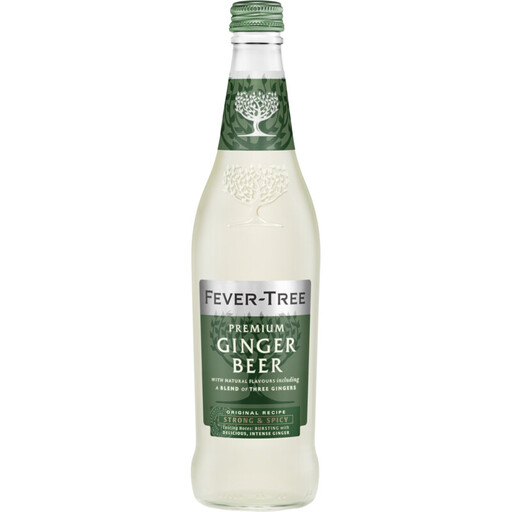
Why This Fits Their Persona: Ideal for those who look beyond the gin and tonic. This `ginger beer` is the foundation for a spicy Moscow Mule, a zesty Dark 'n' Stormy, or a non-alcoholic ginger cocktail.
This is a specialised mixer, not a run-of-the-mill soft drink. According to `Fever-Tree`, it's made with a blend of three types of ginger, creating a deep, authentic ginger flavour that isn't overly sweet.
A distinct, spicy ginger flavour that stands up in a mix with strong spirits. Made with natural ingredients and fruit sugar (fructose).
We have compiled a complete, up-to-date list of products that meet these selection criteria and comply with current regulations.
An opened bottle of tonic quickly loses its carbonation. For optimal fizz, large litre bottles should be finished within 2 to 3 days. Store the bottle tightly sealed in the refrigerator. Small bottles or cans are intended for single use and guarantee maximum carbonation.
Both contain quinine for their bitter taste, but the difference lies in the addition of lemon. Bitter lemon, as the name suggests, has a much stronger and more sour lemon flavour because it's made with lemon juice. Traditional tonic has a more subtle citrus note and is focused on the pure, bitter quinine taste.
Although the names are similar, they are two different drinks. Ginger beer is brewed and fermented, resulting in a much stronger, spicier ginger flavour. Ginger ale is essentially a ginger-flavoured soft drink, which is much sweeter and milder. For cocktails like a Moscow Mule, you need the spicy kick of ginger beer.
