
Vandaag of morgen in huis

Kwaliteit gegarandeerd

Welkomstaanbiedingen ontgrendelen: GRATIS bezorging | Tot 80% korting | Gratis 30 dagen JoyPlus-proefperiode
Download de app
Are you looking to buy ginger ale for home, a party or as a mixer? You'll quickly come across plenty of options: ginger ale, ginger beer, cans, PET bottles and multipacks. The flavour can range from mild and sweet to distinctly spicy. The sugar content also varies widely.
A striking label doesn't always tell the full story, though. So pay close attention to the product information. That way, you'll avoid buying a large pack that doesn't suit your needs, or choosing a drink whose flavour and ingredients disappoint.
Ginger ale is usually a lightly carbonated soft drink with a gentle ginger flavour. Ginger beer often has a stronger, spicier profile. Despite the name, the ginger beer products mentioned here are alcohol-free soft drinks, not beer as you'd know it from the supermarket.
If you're after a mild thirst-quencher, it's better to go for ginger ale. For a Moscow Mule, Dark 'n' Stormy or a mocktail, a punchier ginger beer is often a better fit.
A well-known name, such as Royal Club Ginger Ale or Schweppes Ginger Ale, doesn't automatically tell you whether it's right for you. Check the volume per pack, the nutritional values and the ingredients list. A multipack of cans is handy for guests, while a 1-litre bottle can be more convenient if you're making several mixed drinks.
A sugar-free ginger ale typically uses sweeteners. That can make the drink lighter in calories, but the taste isn't the same as a sweetened version. So don't just compare the amount of sugar – also look at the sweeteners used and the ginger ingredients.
Check the nutritional information per 100 ml. For comparison:
These figures help you make the right choice for everyday drinking, a party or cocktails. Always check the label on delivery, as recipes and packaging information can change.
Look out for the difference between ginger extract, ginger root and natural ginger flavourings. Bundaberg Ginger Beer, for example, lists ginger root in its ingredients. Schweppes Ginger Ale lists ginger extract and natural ginger flavourings, among other things.
An ingredients list doesn't fully predict how a drink will taste, but it does give you insight into what's in it. Also check for acids, preservatives, colourings and sweeteners if you want to avoid certain ingredients.
Choose the size based on how much you'll drink:
Once opened, the bottle should be sealed tightly and stored in the fridge. Always follow the storage instructions and the best-before information on the pack.
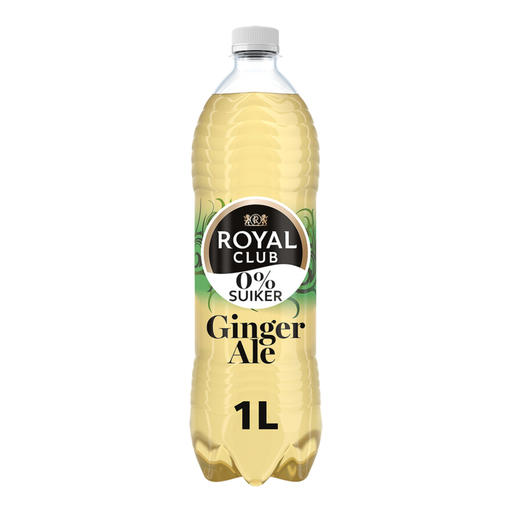
Why this fits the profile: The 1-litre bottle is ideal for anyone wanting to try ginger ale at home or using it regularly as a soft drink and mixer.
The product information clearly states 0 grams of sugar and 1 kcal per 100 ml. This helps you make a more informed choice based on your preference for sugar-free ginger ale.
1 litre volume; 0 grams of sugar according to the product description; suitable for mocktails. Contains sucralose, acesulfame-K and sulphites.
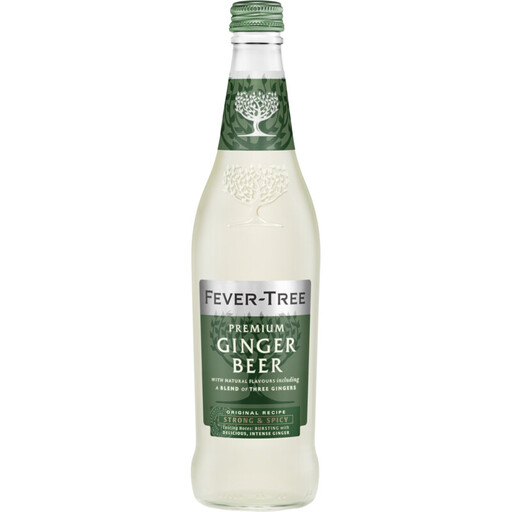
Why this fits the profile: This bottle suits shoppers who value a pronounced ginger profile for cocktails and mocktails.
The product description mentions three types of ginger and a not-too-sweet flavour profile. According to the brand description, it's intended for drinks including a Moscow Mule and Dark 'n' Stormy.
500 ml bottle; ginger root in the ingredients list; according to the product information, free from the 14 major EU allergens.
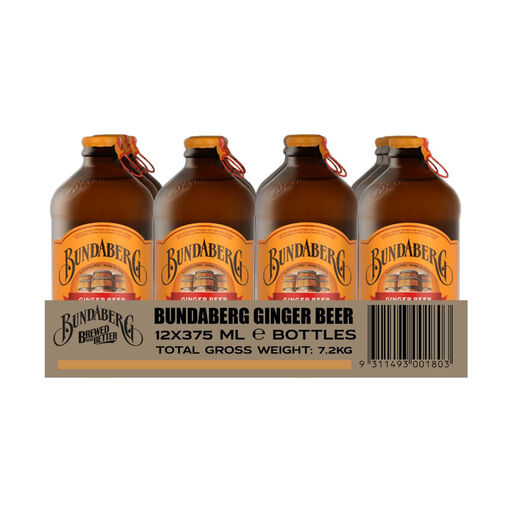
Why this fits the profile: The multipack is practical for parties, catering-style supplies or households that serve ginger beer often.
You buy twelve individual 375 ml bottles. This reduces waste after opening and makes portioning for guests simple.
12 x 375 ml; ginger beer with ginger root according to the ingredients list; 44 kcal and around 11 grams of sugar per 100 ml.
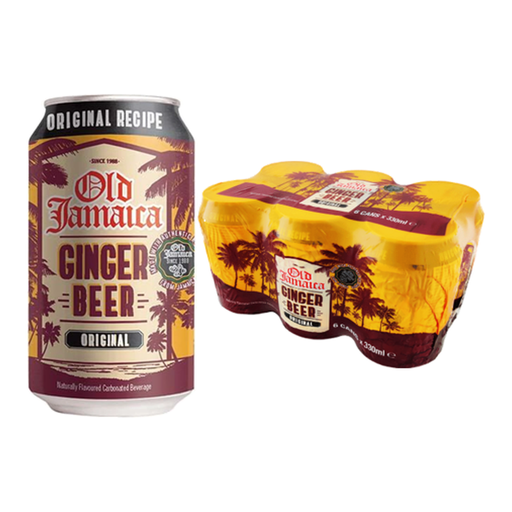
Why this fits the profile: Six individual 330 ml bottles are ideal for serving individually and catering to different taste preferences at the table.
The size prevents one large bottle from sitting open for too long. The product description mentions a spicy ginger flavour and an alcohol-free soft drink.
6 x 330 ml; suitable for drinking chilled or mixing; around 44 kcal and 11 grams of sugar per 100 ml according to the product information.
We've put together a full, up-to-date list of products that fully meet these strict selection criteria and current European safety regulations.
Ginger ale works well when you want a lighter, sweeter base. Try combining it with lime, mint, fruit juice or an alcohol-free spirit. Ginger beer generally has more ginger character and can therefore hold its own better alongside strong flavours.
Use chilled drinks and add the fizzy mixer only at the last moment. That way, the fizz stays lively for longer. For a mocktail, you can combine ginger ale or alcohol-free ginger beer with ice, citrus and fresh herbs.
If you'd prefer a different flavour, you could also look at alternatives such as Schweppes Lemon, Schweppes Mojito, London Bitter Lemon or tonic water. These products aren't ginger drinks, but they do fit within a range of soft drinks for mixers.
The ginger beer products in this overview are described as alcohol-free soft drinks. Always check the current product information and the label before buying, especially if you have specific dietary requirements.
Store an opened bottle in the fridge, seal the cap tightly and follow the period stated on the pack. The drink may lose some of its fizz over time. Smaller bottles are therefore practical if you only need one or two glasses.
That depends on the flavour you're after. A milder ginger ale, such as Royal Club Ginger Ale or Schweppes Ginger Ale, works well with simple mixes. A more pronounced ginger beer, such as Bundaberg Ginger Beer, Old Jamaica Ginger Beer or Fever-Tree Ginger Beer, can add more ginger character to cocktails and mocktails. Also consider the size, sugar content and ingredients before you order.
