
Vandaag of morgen in huis

Kwaliteit gegarandeerd

Welkomstaanbiedingen ontgrendelen: GRATIS bezorging | Tot 80% korting | Gratis 30 dagen JoyPlus-proefperiode
Download de app
Looking for a great Japanese beer to pair with sushi, or just to try something new? The selection can be overwhelming. From well-known pilsners to surprising craft beers, the range is diverse. This article is intended as a practical guide. We highlight several popular choices and give you the tools to find a beer that suits your taste, without the marketing jargon.
Before you make a choice, it's helpful to know a few things. This will help you find a beer that meets your expectations.
Most of the well-known Japanese beers you'll find are light, refreshing pilsners or lagers. Think of brands like Asahi and Sapporo. These beers are often brewed with a combination of barley and rice, which creates a dry and crisp taste. This makes them a popular choice as a beer to pair with sushi or other Asian dishes.
Additionally, there is a growing market for Japanese craft beer. Breweries like Coedo are experimenting with styles such as hefeweizen (wheat beer) and other artisanal varieties. These beers offer more complex flavours and are interesting for those who want something different from a standard Japanese pilsner.
Japanese beer is generally known for its balanced and subtle flavour. The focus is often on a 'crisp' (clean, dry) finish. Pay attention to the beer's description: terms like 'dry', 'crisp', or 'refreshing' indicate a light and easy-drinking beer. Beers with descriptions like 'fruity', 'floral', or 'rich' point to a more complex flavour profile. The alcohol content, usually around 5%, also gives an indication of the beer's body.
Below is a selection of Japanese beers that are currently popular. We've listed the key features for each product.
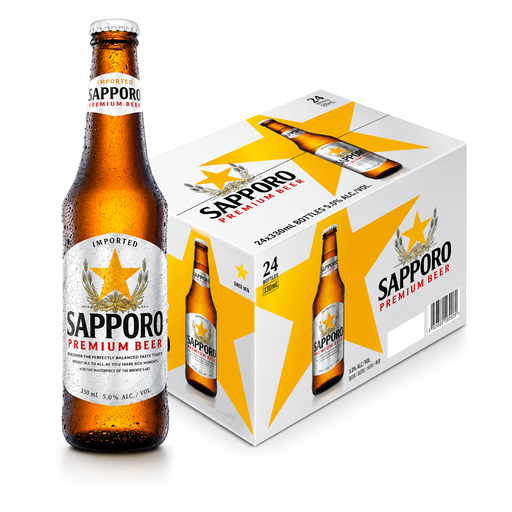
Why it stands out: Sapporo is one of the oldest and most iconic beer brands in Japan. This Sapporo beer is a classic Japanese pilsner, known for its smooth and refreshing character. It's an approachable beer that appeals to a wide audience.
Benefits:
Who is it for? For fans of a classic, reliable Japanese pilsner. A great choice for a meal or social gatherings.
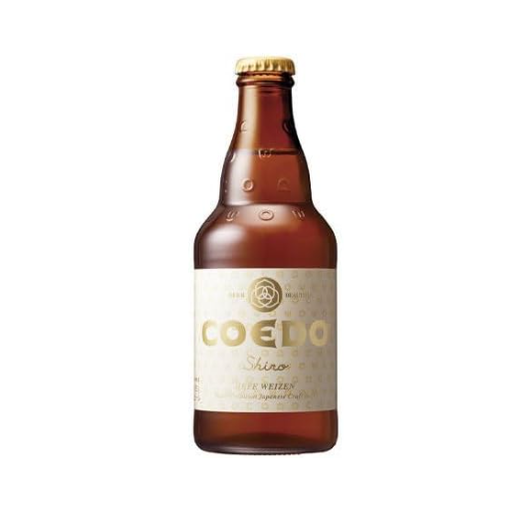
Why it stands out: This beer from the Coedo brewery is a Japanese wheat beer (hefeweizen). It distinguishes itself with its cloudy, light colour and fruity aromas. A clear example of Japanese craft beer.
Benefits:
Who is it for? For the adventurous beer drinker open to a non-traditional Japanese beer. Fans of Belgian or German wheat beer will likely appreciate this as well.
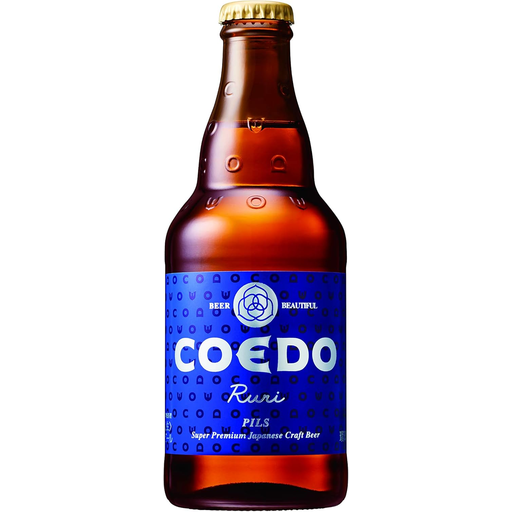
Why it stands out: 'Ruri' means 'lapis lazuli' in Japanese, a reference to the clear, golden colour of this premium pilsner. It is a refined take on the pilsner style, with a clear balance between malt and hops.
Benefits:
Who is it for? For those looking for a high-quality Japanese pilsner with a bit more character and depth than standard lagers.
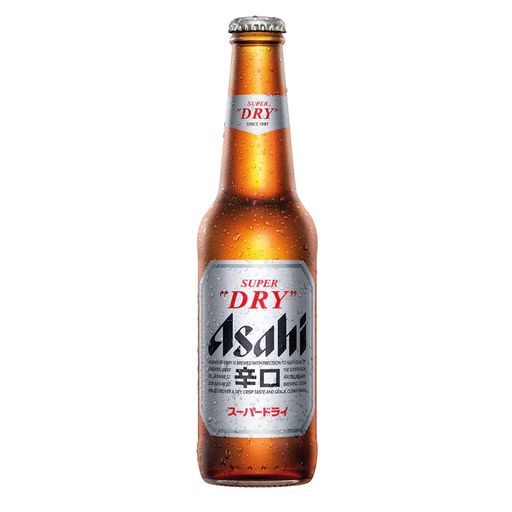
Why it stands out:Asahi beer introduced the 'Super Dry' concept, which signifies an extremely dry and crisp taste with no lingering aftertaste. According to the brand itself, Asahi Super Dry is the number 1 beer brand in Japan. It is designed not to overpower the taste of food.
Benefits:
Who is it for? Ideal for those who want a beer that complements a meal rather than dominates it. An excellent choice if you want a refreshing Asian beer that 'resets' the palate.
The world of Japanese beer is larger than this selection. Are you looking for other styles, brands, or packaging formats? Check out our full range of beer products for more options.
What makes Japanese beer different from other beers? Many Japanese pilsners and lagers use rice to supplement barley. This results in a lighter body and a noticeably dry and crisp finish. Additionally, Japanese brewing culture is known for precision and consistency, resulting in highly balanced beers.
Which Japanese beer pairs well with sushi? A light and dry Japanese pilsner, like Asahi Super Dry or Sapporo Premium Beer, is a classic choice. The crisp, refreshing taste cleanses the palate between bites and doesn't overpower the delicate flavours of the fish.
What are the most popular Japanese beers? Brands like Asahi and Sapporo are the most widespread and recognisable in supermarkets and restaurants worldwide. They are often seen as the standard for buying Japanese beer and are a great starting point for anyone looking to explore the style.
