
Vandaag of morgen in huis

Kwaliteit gegarandeerd

Welkomstaanbiedingen ontgrendelen: GRATIS bezorging | Tot 80% korting | Gratis 30 dagen JoyPlus-proefperiode
Download de app
Alcohol-free beer is now available as lager, IPA, radler and Belgian speciality beer. Even so, it is not always clear exactly what you are buying. An eye-catching label, a familiar brand name or the term “0.0” does not tell you everything about flavour, alcohol content, nutritional value or pack size.
If you are looking to buy alcohol-free beer, it is worth checking three things first: the exact alcohol percentage, the beer type and the quantity per pack. This helps you avoid choosing a sweet radler when you are actually looking for a bitter lager, or ordering a 6-pack when you only want to try a few bottles.
According to the product information, the 0.0% designation means that the stated alcohol percentage is zero. A product containing, for example, 0.3% falls into the low-alcohol beer category and is therefore not the same as 0.0 beer. Jopen Non IPA 0.3% is an example of this.
If you want to avoid alcohol completely, always check the alcohol percentage on the product page and the label. This is particularly important for drivers, people who avoid alcohol for personal reasons and pregnant people. If in doubt, also check the current packaging and the manufacturer’s information.
Words such as “full-bodied”, “fresh” or “rich” are often general flavour descriptions. They do not always tell you how much bitterness, sweetness or hop aroma to expect. Instead, look at specific characteristics:
According to the manufacturer’s own product information, Brand IPA 0.0%, for example, has fruity aromas, citrus notes and a soft bitterness. This is a more specific description than simply saying “full of flavour”.
An alcohol-free beer 6-pack is practical for a dinner party or regular use, but it is not always the most economical choice if you want to try a flavour first. Pay attention to the difference between 6 x 300 ml, 6 x 330 ml, 12 x 250 ml and 24 x 300 ml. The bottle size affects both the total quantity and the price per litre.
Also check whether the pack contains bottles or cans and whether a deposit applies in the Netherlands. For example, the product information for Lowlander 0.0% White Beer states that a deposit applies in the Netherlands.
Always compare the percentage for each product, rather than relying on the name alone. The range includes both 0.0 beer and low-alcohol beer at 0.3%. If you want to avoid alcohol strictly, a variant explicitly marked 0.0% is the obvious choice. Also read the ingredients and warnings on the packaging.
Start by choosing the flavour direction you prefer. An alcohol-free lager such as Heineken 0.0 or Hertog Jan 0.0 is suitable for anyone looking for a classic, refreshing lager style. An alcohol-free IPA such as Brand IPA 0.0 makes more sense for fans of hops, citrus and bitterness. If your main aim is to quench your thirst, you could consider an alcohol-free radler such as Amstel Radler Lemon 0.0.
Also pay attention to the nutritional values. These can vary between variants. Heineken 0.0, for example, states 21 kcal per 100 ml, while Corona Cero states 56 kcal per 330 ml bottle. Compare the units carefully: per 100 ml and per bottle are not the same.
Many alcohol-free beers contain barley malt or barley and therefore cereals containing gluten. Check the allergen information if you are sensitive to barley, wheat or oats. Jopen Non IPA 0.3%, for example, lists barley, wheat and oats. Supermalt Original contains barley malt and is a malt drink, not a lager or IPA.
The term “natural” is no guarantee of a particular flavour or nutritional value. Always check the full ingredients list rather than relying solely on marketing copy.
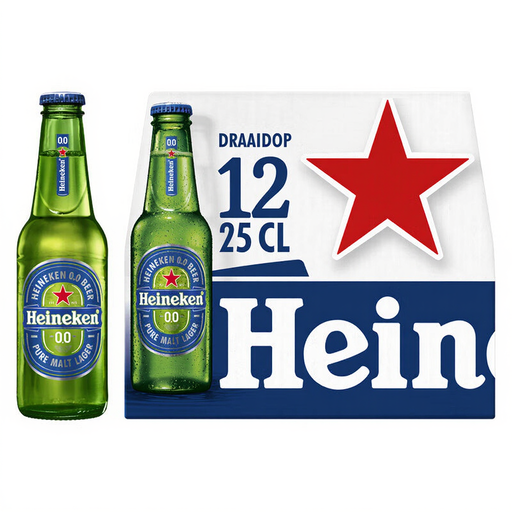
Why it suits this profile: The 12 x 250 ml bottles are suitable for enjoying alcohol-free lager at home on several occasions or when socialising. The familiar lager profile makes this an easy choice for beginners.
The product clearly states 0.0% alcohol, while the pack specifies the exact number and size of the bottles. This makes it easy to estimate the total quantity in advance.
0.0% alcohol, 12 x 250 ml and a flavour description featuring fruity notes and a lightly bitter finish.
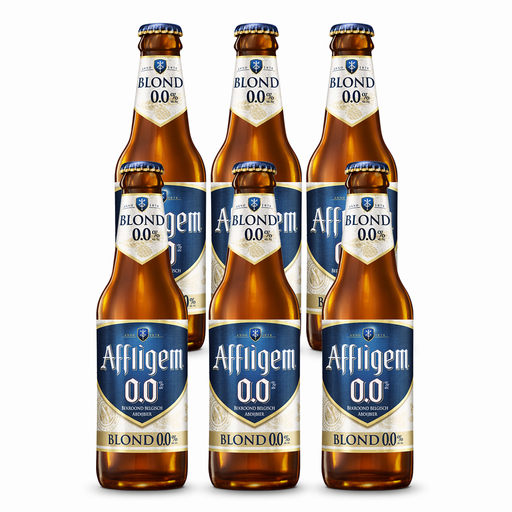
Why it suits this profile: This Belgian blonde abbey beer style is aimed at anyone looking for more than just the flavour of lager, for example with an elaborate meal or during a relaxed tasting session.
The product information specifies the type, the 0.0% designation and a lightly bitter finish. This lets you tailor your choice to the beer type and the level of bitterness you prefer.
Belgian blonde speciality beer, 0.0% alcohol and a pack of 6 x 300 ml.
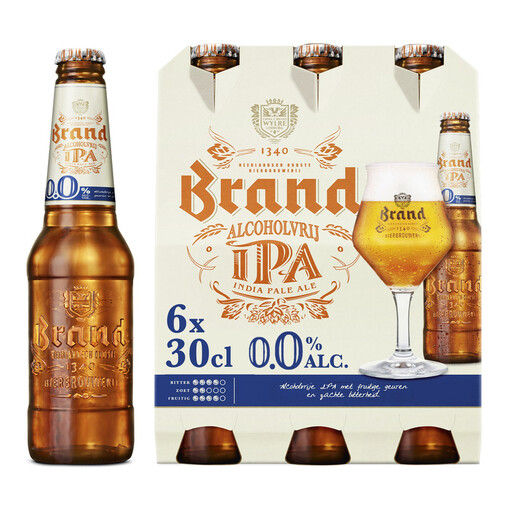
Why it suits this profile: If you regularly exercise, cook or want to serve alcohol-free beer with different meals, a 6-pack of IPA offers a flavour profile with more hop character than lager.
The product details state 0.0% alcohol, 6 x 300 ml and a profile with fruity aromas, citrus and soft bitterness. This makes the difference from a sweet radler clearer.
IPA style, 0.0% alcohol, 24 kcal per 100 ml and hop varieties mentioned in the product information.
We have compiled a complete, up-to-date list of products that fully meet these strict selection criteria and the applicable European safety regulations.
No. Check the stated alcohol percentage. Some products are 0.0%, while other variants contain, for example, 0.3% alcohol and are therefore low-alcohol beers. The information on the label and product page is the deciding factor.
Lager, wheat beer or a refreshing radler often works well with lighter meals. An alcohol-free IPA is a better match for spicy dishes or meals featuring grilled ingredients, as the hops and bitterness can be more pronounced. A Belgian speciality beer, such as Affligem Blond 0.0 or Leffe Blond 0.0, suits anyone looking for a rounder, more complex flavour profile.
Store bottles and cans in a cool place, away from direct sunlight and significant temperature fluctuations. Check the best-before date on the packaging before use. Once opened, it is best to drink the beer straight away, as the carbonation and aromas quickly fade.
