
Vandaag of morgen in huis

Kwaliteit gegarandeerd

Welkomstaanbiedingen ontgrendelen: GRATIS bezorging | Tot 80% korting | Gratis 30 dagen JoyPlus-proefperiode
Download de app
Buying Chinese congee might seem straightforward: pick a tin or box, heat it up and you're done. But products vary widely in ingredients, portion size, sweetness and preparation method. A cheap pack could turn out to be less convenient if you overlook allergens, can't finish a multipack, or expect a flavour that isn't listed on the label.
This buying guide helps you compare based on verifiable product information. That way, you'll find a suitable Chinese rice porridge, instant congee, ready-to-eat porridge or breakfast porridge for home, the office or on the go.
Many types of eight-treasure porridge contain several grains, pulses, seeds and fruits. That alone doesn't tell you whether it's suitable as a meal. Always check the nutritional values per 100 grams and per pack. Also pay attention to the amount of added sugar, because sweet congee and dessert porridge often have a different composition to savoury rice porridge.
Chinese congee can contain barley, oats, wheat, peanuts, sesame, soya or milk. A combination of rice, red beans, lotus seed and mixed grains in particular may also include gluten-containing ingredients. So read the allergen declaration, even if you've bought a similar product before.
A 280g or 360g tin is suitable as a single portion, but a box of 12 tins takes up more storage space. Instant oat porridge or black sesame porridge often comes in individual sachets. These are practical for work and travel, whereas tinned congee is ready to eat without needing a kettle or microwave.
First, decide what you're looking for:
Don't just look at the product name. Check the ingredient order and any quantitative declarations. For example, the Yin Lu Black Rice Porridge states it contains 15% black glutinous rice. The Daliyuan Black Rice Purple Sweet Potato Congee includes black rice, purple sweet potato, oats, buckwheat, red beans and sesame.
With instant congee, there are two main types:
According to the product information, Quaker Cinnamon Oatmeal is ready in about two minutes and is prepared with milk in a pan or microwave. The Family Whole Red Dates Milk Five Grains pack contains twenty 35g sachets; around 175ml of boiling water per sachet is recommended.
Check the net weight and number of units. A 280g tin is different from a multipack of 360g × 12. Store unopened tins and dry porridge according to the label in a cool, dry place. Once opened, you generally need to consume the porridge straight away or keep it refrigerated. Some Yin Lu products state that the contents must be refrigerated after opening and used within 24 hours.
Also look out for:
As for claims about fibre or other effects: a particular property may be stated based on the brand's own research or product information, but this is not personal dietary advice or a medical assessment.
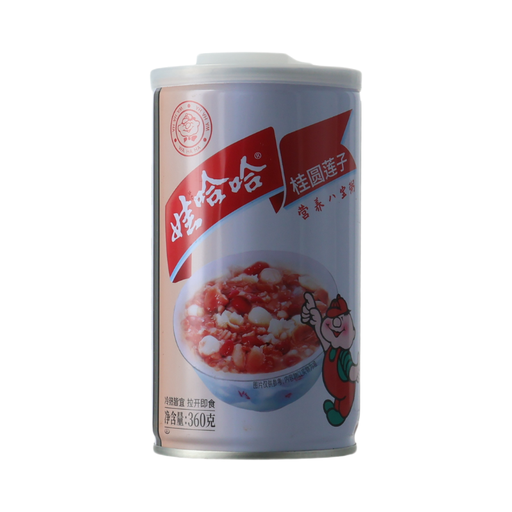
Why this fits the profile: A single 360g tin is a low-barrier way to try Chinese eight-treasure porridge with longan and lotus seed, without having to order a large box straight away.
The product information states the fixed 360g weight, the ingredients and allergens. The product is ready to eat and can be used cold or warm.
Longan, lotus seed, glutinous rice, red beans and mixed grains; store in a cool, dry place.
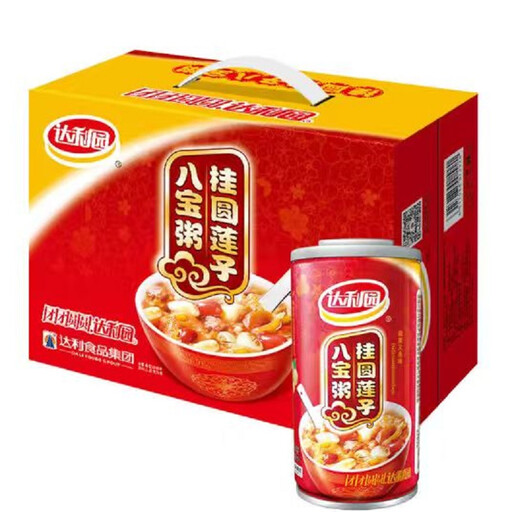
Why this fits the profile: This multipack suits households that eat congee regularly and prefer to have twelve portions in stock.
The box states both the weight per tin and the total number of tins. This makes the storage requirement clear in advance.
Contains longan, lotus seed and white wood ear fungus among other ingredients; 360g per tin; can be eaten warm, chilled or at room temperature.
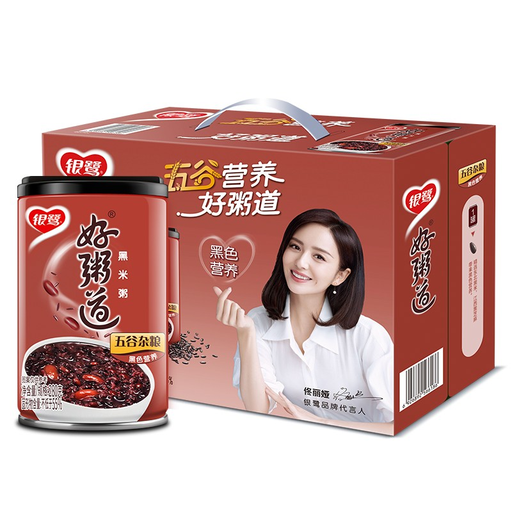
Why this fits the profile: The multipack is practical for regular breakfast or snack occasions and for anyone looking for black rice porridge with multiple grains.
The composition states 15% black glutinous rice and lists gluten-containing grains and sesame as allergens.
280g per tin, twelve tins per box, ready to eat and can be heated; contains black glutinous rice, oats, red beans and several grains.
We've put together a full, up-to-date list of products that fully meet these strict selection criteria and comply with current European safety regulations.
Yes, according to the product information, many tinned congees are ready to eat. You can enjoy the porridge at room temperature or chilled, and some varieties can be heated briefly. It's best to pour the contents into a microwave-safe bowl. Always follow the instructions on the packaging.
This varies by product. Some varieties must be consumed immediately; others can be kept covered in the fridge and used within 24 hours or two days. Check the label for this. Do not leave opened porridge at room temperature for long periods.
Chinese rice porridge is often a sweet congee made with rice, beans, lotus seed, longan or other grains. Instant oat porridge is usually packed dry in sachets and needs to be prepared with water or milk. If you want to eat quickly without any cooking, tinned congee is often the choice; if you prefer to control portions and flavours yourself, a dry breakfast porridge may be worth considering.
