
Vandaag of morgen in huis

Kwaliteit gegarandeerd

Welkomstaanbiedingen ontgrendelen: GRATIS bezorging | Tot 80% korting | Gratis 30 dagen JoyPlus-proefperiode
Download de app
Buying a new body lotion, shower gel or gift set might seem straightforward. Yet many shoppers end up paying for features that don’t really suit their skin or how they use the product. When it comes to body care, a smart choice isn’t just about scent or packaging – it’s about ingredients, volume and when you’ll actually use the product.
A strong fragrance can make a shower gel or body cream appealing, but it says very little about how well it actually cares for your skin. What’s more, fragrance ingredients can be unsuitable for people with sensitive skin or known allergies. Always check the ingredients list and look out for terms like parfum, limonene, linalool and other fragrance allergens.
A 1,000 ml bottle might look like great value, but it isn’t always the right choice. A product you don’t use often can sit open for a long time. Compare the volume with how much you use daily, and also check the price per 100 ml. A smaller pack, such as a travel size, is far more practical for holidays or the gym bag.
Terms like “48-hour hydration”, “repair” or “intensive care” are product claims. Based on a brand’s own research, such results may apply under specific conditions – they are not a guarantee for every user. So look for verifiable product information instead, such as the ingredients, texture, volume and instructions for use.
The right product depends on when and how you’ll use it:
If you often feel tightness after showering, try combining a mild shower gel with a body lotion. For dry skin, it’s best to apply the lotion straight after drying off.
Look out for glycerine, oils, shea butter or petroleum-based ingredients when you want a nourishing formula. This information helps you compare, but it won’t fully predict how your skin will react. Products with fragrance can smell lovely, but they aren’t suitable for everyone.
Extra care is needed with baby products. Always check the age recommendation, warnings and full ingredients list. Stop using the product if you notice redness, itching or irritation. If skin problems persist, it’s wiser to seek advice from a doctor or pharmacist than to keep switching products yourself.
A pump bottle can be handy in the bathroom and helps you use the right amount. A pot of body butter requires more hygiene when you apply it. Also consider:
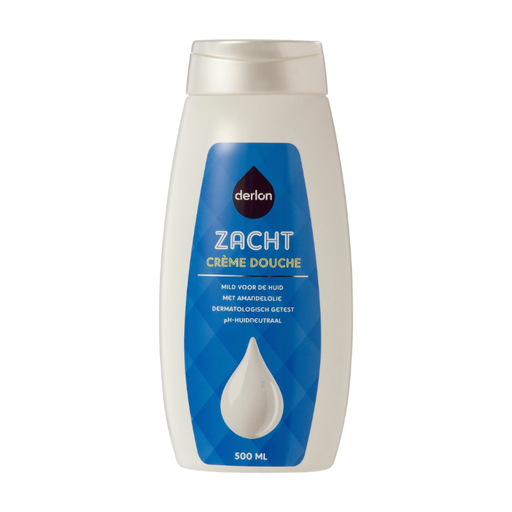
Why this fits the profile: The 500 ml volume is ideal for regular use in a household, and the formula is designed to cleanse the skin.
The product information clearly states the volume and ingredients list, so you don’t have to rely on scent or packaging alone.
500 ml; contains glycerine and sweet almond oil according to the product information.
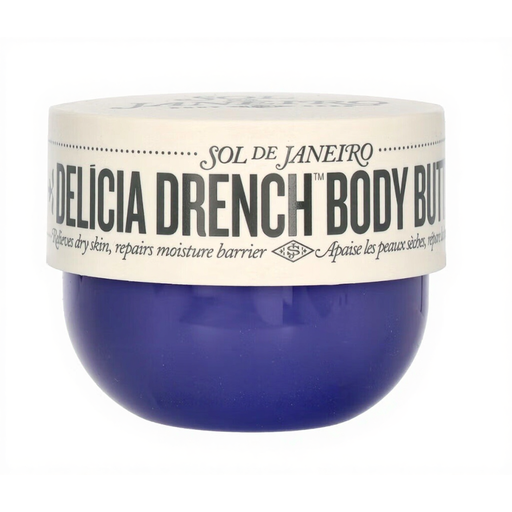
Why this fits the profile: This body butter is aimed at adults who want a richer texture and a fragranced skincare routine.
The ingredients and volume are listed; just be aware of the fragrance and the stated allergens if your skin is sensitive.
240 ml; contains shea butter, coconut oil, glycerine and squalane according to the product description.
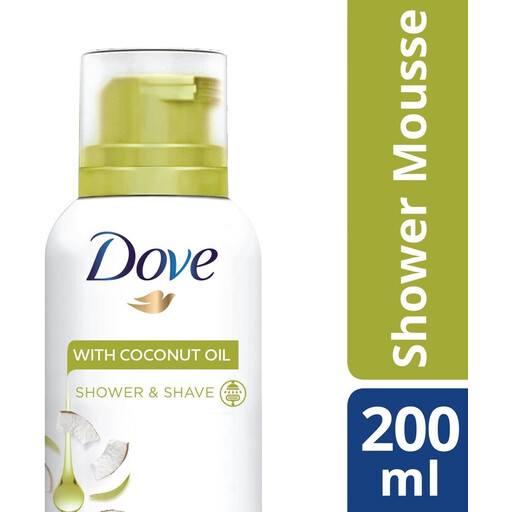
Why this fits the profile: The mousse is designed for cleansing and shaving, and suits anyone looking for a different texture to a classic shower gel.
The instructions state that shaking is required and that the container is pressurised, so you can use it safely.
200 ml; suitable for washing and shaving; coconut oil is listed in the product description.
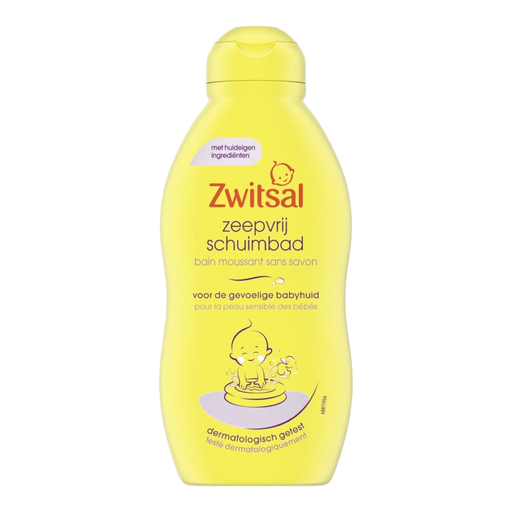
Why this fits the profile: According to the product information, this bath foam is intended for babies and young children and can be used under supervision.
The product details state it contains no SLES and no colourants. Still check the ingredients and supervise bath time.
200 ml; soap-free formula; product information mentions a pH-friendly formula.
We’ve put together a full, up-to-date list of products that meet these strict selection criteria and comply with current European safety regulations.
Start with a mild shower gel or shower mousse. Then apply a body lotion, body cream or body oil to clean skin. Only use a body scrub as directed – not automatically every day. If you have sensitive skin, choose a product with little or no fragrance and always check the ingredients list.
A body lotion is generally lighter and easy to use every day. A body butter usually has a richer texture and can be lovely on extra dry areas like knees, elbows and heels. The choice comes down to your preference for texture, packaging and when you use it.
That depends on the volume, how much you use and how many people use it. Check the shelf-life information on the pack and look for the symbol showing how long it lasts after opening. Close bottles and pots tightly and store them in a cool, dry place away from direct sunlight. Stop using the product if the scent, colour or texture changes.
