
Vandaag of morgen in huis

Kwaliteit gegarandeerd

Welkomstaanbiedingen ontgrendelen: GRATIS bezorging | Tot 80% korting | Gratis 30 dagen JoyPlus-proefperiode
Download de app
A bowl of Asian instant noodles might seem simple to pick: choose a flavour you fancy, add hot water and you’re done. Yet instant ramen, chicken noodles, spicy instant noodles and dry varieties differ considerably in preparation, portion size and allergens. A striking packet, moreover, tells you little about what’s actually inside.
With this practical guide, you’ll focus on the points that make the biggest difference at home, in student digs or when buying in bulk.
A box with lots of sachets may look like good value, but always check the weight per serving. A pack of 40 x 75 g is ideal for a store cupboard or catering, whereas a 110 g bowl or a 140 g meal can contain more noodles per individual portion.
Also note the difference between net weight and the weight of the noodles alone. Seasoning, oil, sauce and vegetable packets are often included in the total.
Spicy instant noodles can taste mainly of chilli, but they can also be sour, sweet, aromatic or numbing thanks to ingredients like Sichuan pepper. If you’re after a classic noodle soup, you might be disappointed by a dry stir-fry variety such as Mi Goreng. Conversely, a fan of dry sauce noodles will miss the desired texture if they buy a soup version.
So check whether the product is intended as:
Asian noodles often contain wheat, soya, sesame or mustard. Varieties with chicken or prawn flavour may also contain milk, shellfish or other allergens. Always check the ingredients list on the packaging before buying. Product information online can change; the physical label is what counts.
For students and quick snacks, products that only need boiling water are practical. The A Kuan Red Oil Broad Noodle, for example, states 5 to 6 minutes of steeping, after which you drain the water completely and add the sachets. Other Korean ramen require cooking in a pan, while cold Korean noodles need several rinses.
So check:
The noodle largely determines the eating experience. Wide wheat noodles are springy and firm, while udon is thicker and softer. Mung bean vermicelli is often used in soups, salads or spring rolls. For a quick meal, you can also choose pre-cooked udon that, according to the product description, is heated in the microwave for about one minute.
If you’re looking for Korean ramen, you’ll usually want a firm noodle suitable for a few minutes of boiling. With Chinese noodles and Sichuan varieties, wide noodles and a thick sauce are more common.
Compare the values per serving, not just per 100 g. In the product details of different instant noodles, the salt content varies noticeably. A seasoning sachet, oil and sauce can together make up a significant part of the nutritional value.
That doesn’t mean you should automatically rule out a product. However, it is wise to:
Brand claims about taste or popularity are not an independent assessment. Instead, look at verifiable information such as weight, ingredients, origin, preparation and allergens.
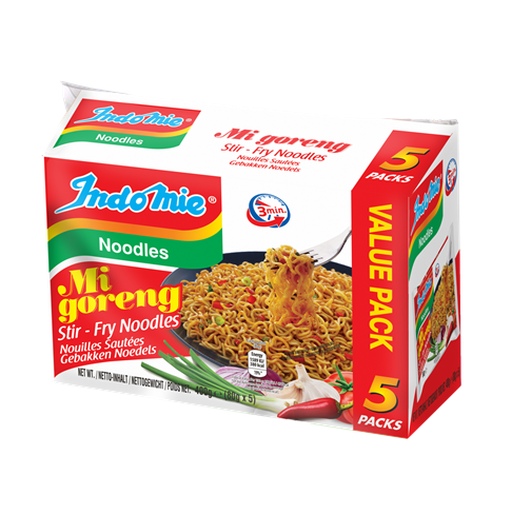
Why this fits the profile: The pack contains five 80 g servings and is ideal for anyone wanting to try Indonesian noodles first without committing to a large box.
The product information clearly states that these are dry noodles: drain and mix with oil, sweet soy sauce, seasoning and chilli.
Five individual portions; clear dry preparation method; contains wheat, soya and sesame according to the listed ingredients.
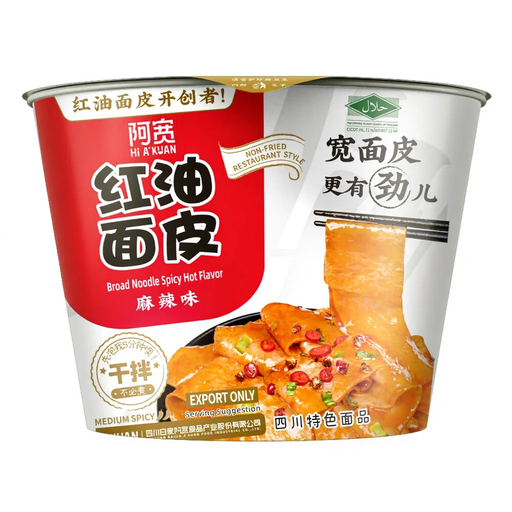
Why this fits the profile: If you care most about noodle texture and a layered sauce, you get wide, thin wheat noodles with separate oil, seasoning, vinegar and vegetable sachets.
The packaging is a single 110 g bowl and states a specific preparation time of 5 to 6 minutes, so the portion and method are clear upfront.
Wide, non-fried noodles according to the product description; contains wheat, soya, sesame and mustard.
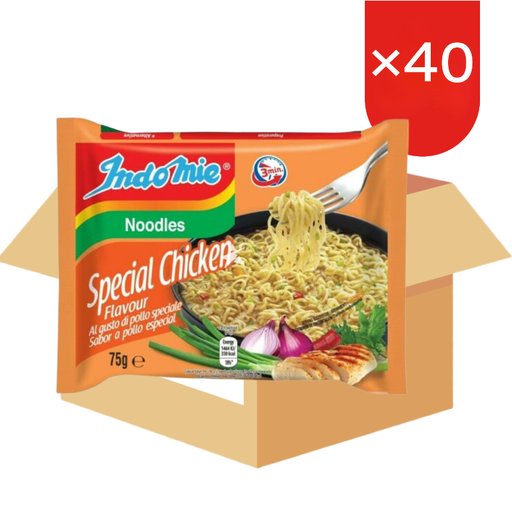
Why this fits the profile: The box of forty individual portions suits families, canteens, student houses and catering businesses that regularly serve instant ramen.
The number of portions and weight per sachet are clearly stated. This makes it easier to estimate stock and usage than with an unspecified bulk pack.
40 portions of 75 g; chicken flavour according to the product description; contains wheat and may contain traces of soya, milk and egg.
Always follow the instructions on the packaging. With dry noodles, you usually need to drain the water completely before adding the sauce. With noodle soup, the cooking water remains part of the dish. Cold Korean ramen often require rinsing with cold water, while some Chinese noodles are mixed directly with the sauce.
Store unopened packs in a cool, dry place away from sunlight, heat and moisture. Do not use a pack if it is damaged. Check the best-before date on the physical label, especially with an instant noodle multipack that may sit in your store cupboard for longer.
We’ve put together a full, up-to-date list of products that fully meet these strict selection criteria and comply with current European safety regulations.
It varies by product. Some sachets only need boiling water and a few minutes of steeping. Other varieties need to be cooked in a pan and then drained. Always check whether the water should be kept or discarded.
Check the best-before date on the packaging and follow the storage instructions. Unopened noodles generally remain suitable until the stated date when stored in a cool, dry, dark place. Once opened or prepared, it’s best to consume them straight away.
Not always. Flavourings can contain chicken, prawn or other animal-derived ingredients. So check the full ingredients list and allergen information. A product without a clear vegetarian symbol should not automatically be considered vegetarian.
