
Same-day & Next-day Delivery

Quality Guaranteed

Unlock Your Welcome Offers: FREE Delivery | Up to 80% OFF | Free 30-day JoyPlus trial
Download the APP
A quick Asian meal is handy at home, at the office, in student accommodation or on the go. But Asian instant meals vary widely in how they’re prepared, portion size, flavour and ingredients. Eye-catching packaging doesn’t tell you much about what you’ll actually get.
So keep an eye out for these three common pitfalls:
With instant noodles and instant rice noodles, you usually add boiling water and leave them for a few minutes. The exact amount of water and waiting time affect the texture. For example, Jub Jub Thai Boat calls for 400 ml of boiling water and around three minutes to stand. VIFON Beef Hue Style takes around 400–500 ml of water and three to four minutes.
Other products need a little more attention:
Before buying, check whether you’ll have access to a kettle, microwave, hob or simply a flat surface.
Always check the ingredients list, especially if you have allergies or dietary requirements. Many Asian products contain wheat, soya, milk, sesame or shellfish. For example, MAMA Pad Thai Instant Rice Noodles lists wheat and soya, and may contain traces of peanuts and sesame. According to the product information, Yopokki Cheese contains wheat, milk and soya.
Also look out for:
A product made with rice noodles isn’t automatically free from allergens. As well as wheat, the product information for VIFON Beef Hue Style lists fish and prawns. If in doubt, always check the packaging, as recipes can change.
Compare nutritional values on the same basis, preferably per pack and per 100 g. A 50 or 70 g sachet isn’t comparable to a 260 g meal. Salt content can also vary considerably. MAMA Oriental Style Instant Rice Vermicelli lists 7 grams of salt per 100 grams, while other products have a different composition.
Also check:
A self-heating product shouldn’t simply be put in the microwave or used over an open flame. The heating pack should only be used as directed.
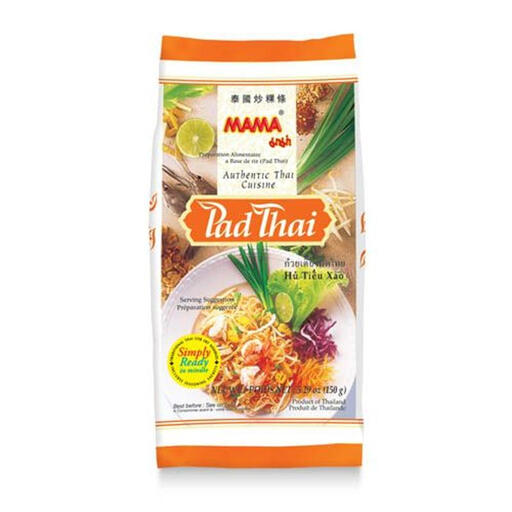
Why it suits this profile: A complete noodle meal with rice noodles and Pad Thai sauce in one pack. Ideal for lunch, dinner or a filling snack.
The pack states a net weight of 150 grams and contains both noodles and sauce. Do check the allergens: wheat and soya are listed.
Thai Pad Thai flavour, 150 grams per pack and, according to the product description, no artificial colourings or preservatives.
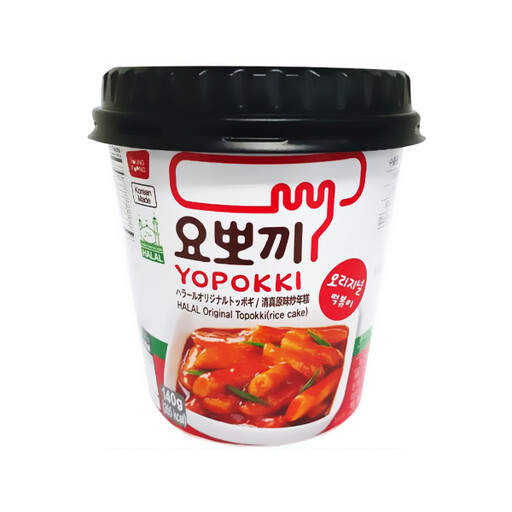
Why it suits this profile: For anyone looking for a Korean rice-cake snack who values a halal designation in the product name.
The product information gives the weight as 140 grams and specifies the ingredients in the rice cakes and sauce. Check the current packaging and allergen information before buying.
140 grams, rice cakes with rice as the main ingredient, and a compact cup for preparing wherever suitable.
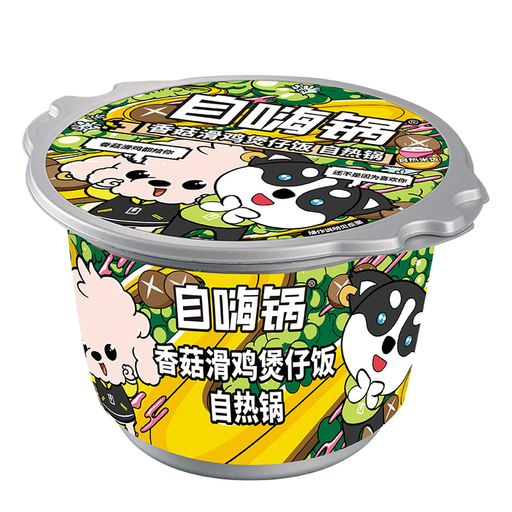
Why it suits this profile: Handy for travelling, outdoor use or a workplace without a hob, as the product information says the meal doesn’t need an external heat source.
The pack contains 260 grams, and the product information lists the heating pack separately. Use it only as instructed and bear in mind that the product contains soya and wheat.
A self-heating rice meal with chicken, shiitake and rice; suitable for situations where there’s no hob or plug socket.
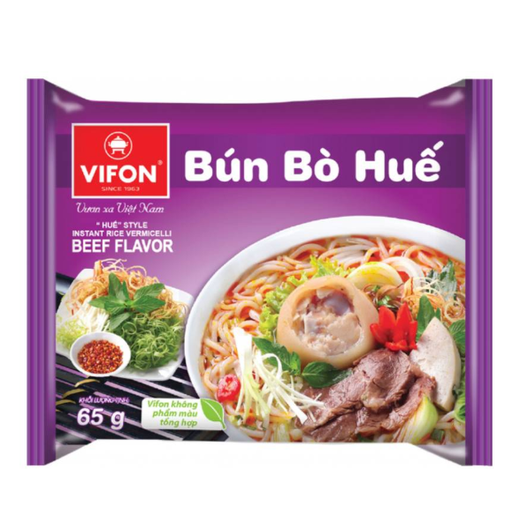
Why it suits this profile: A compact option for anyone looking for Vietnamese noodle soup with a spicy beef flavour to enjoy at home, at the office or on the go.
The preparation instructions are specific: add around 400–500 ml of boiling water and wait three to four minutes. Check the listed allergens, including wheat, fish and prawns.
65 grams, rice vermicelli and a Beef Hue Style seasoning mix; serve with lime, herbs or vegetables if you like.
We’ve put together a complete, up-to-date list of products that meet these strict selection criteria and the applicable European safety requirements.
No. Rice noodles themselves are often made from rice, but sauces and seasoning mixes can contain soya or wheat ingredients. So check the full ingredients list and allergen information. If you have coeliac disease or a severe allergy, information about possible cross-contamination is also important.
Unopened dry products can generally be kept until the date on the packaging if stored in a cool, dry place away from direct sunlight. Shelf life varies by product. Once opened, follow the instructions: some products need to be refrigerated, while others should be eaten straight away.
It depends on the price per 100 grams or per portion. A multipack may be better value if you use it regularly, while individual sachets give you more flexibility if you want to try different flavours, such as Thai Pad Thai, Korean tteokbokki or Vietnamese noodle soup. Compare the portion size and salt content too, not just the price of the pack.
