
Vandaag of morgen in huis

Kwaliteit gegarandeerd

Welkomstaanbiedingen ontgrendelen: GRATIS bezorging | Tot 80% korting | Gratis 30 dagen JoyPlus-proefperiode
Download de app
Instant noodles are handy for a quick lunch, late-night snack or well-stocked cupboard. However, Asian instant noodles vary considerably in flavour, preparation, portion size and allergens. Eye-catching packaging or a familiar name does not always tell you exactly what you are getting.
As a Joybuy Product Recommendation Officer, I therefore focus mainly on verifiable information: weight, number of portions, ingredients, nutritional values, preparation method and storage advice.
With Korean ramen, such as Buldak Carbonara or Shin Ramyun, “spicy” may be pleasantly hot for one person and far too strong for another. Product descriptions sometimes use broad terms such as “intense flavour” without providing a comparable scale.
Pay close attention to the flavour description and preparation method. With some spicy noodles, the sauce is added after cooking, so you can start with just part of the sachet. With soup noodles, the seasoning is often already mixed into the broth, making it harder to adjust the intensity.
An instant noodle multipack often lowers the price per sachet, but check the total weight first. A pack of five 70-gram sachets is not the same as five 130-gram sachets. Work out the price per 100 grams and check the best-before date.
A large box, such as one containing 20 or 30 portions, is most suitable for households that eat noodles regularly. For trying them for the first time, a smaller pack is more practical.
Many instant noodles contain wheat and soya. Depending on the flavour, they may also contain milk, egg, celery, mustard, peanuts, sesame, fish or crustaceans. Always check the current packaging, particularly if you have an allergy or food intolerance.
Product details on a website may differ from the packaging. Always read the label, warnings and preparation instructions before eating. The same applies to nutritional values: these are usually listed per 100 grams, while a portion is often an entire sachet.
Korean ramen often has a robust, spicy broth or sauce. Chinese instant noodles are available in flavours including beef, chicken and spicy varieties. Thai noodles are often known for prawn or tom yum flavours. Indonesian noodles, such as Indomie instant noodles, are also often mixed dry with seasoning, oil and sauce rather than eaten as soup.
Choose according to how you plan to use them:
The flavour name is not a guarantee of the ingredients. For example, Indomie Shrimp lists an artificial prawn flavour and contains crustaceans. Always check the ingredients list.
Preparation time is often between 3 and 5 minutes, but the method varies:
Pay attention to the amount of water required. Nongshim Shin Ramyun, for example, specifies approximately 500 ml of water and a cooking time of 4 to 5 minutes. Using more water makes the broth milder, but also changes the total amount of soup.
A 100 to 140-gram sachet is generally intended as one meal according to the product presentation, but nutritional values vary from recipe to recipe. Examples from the product specifications include:
Do not compare calories alone. Also consider salt, saturated fat, protein and portion weight. Nutritional values on the product page are indicative; check the packaging for the most up-to-date information.
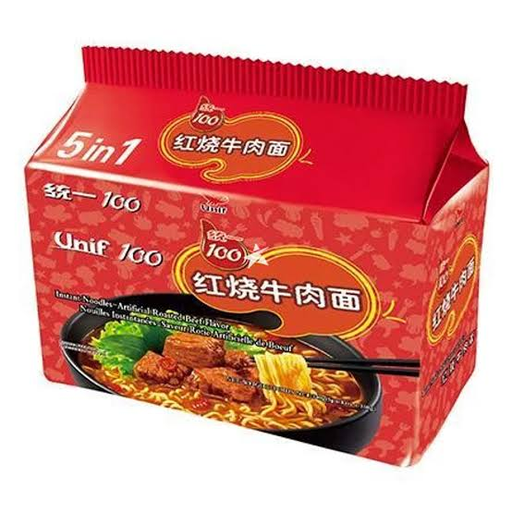
Why it suits this profile: This convenient 5-pack with a classic Chinese beef flavour is suitable for anyone who wants to try instant noodles without buying a large box.
The weight and number of sachets are clearly specified, making it easy to compare the price per portion and per 100 grams.
5 sachets of 100 grams, a cooking time of approximately 5 minutes and a savoury beef flavour with vegetable flakes.
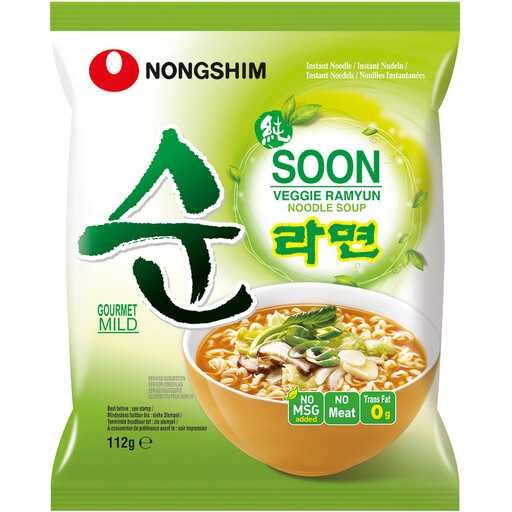
Why it suits this profile: This Korean variety combines noodles with soup seasoning, dried pak choi and carrot. It is ideal for lovers of a well-defined broth and vegetable flavour.
The product information lists the weight, ingredients and allergens such as wheat and soya. Check the packaging for the latest information.
112 grams per portion, dried vegetables and a preparation method that can be completed quickly in a pan.
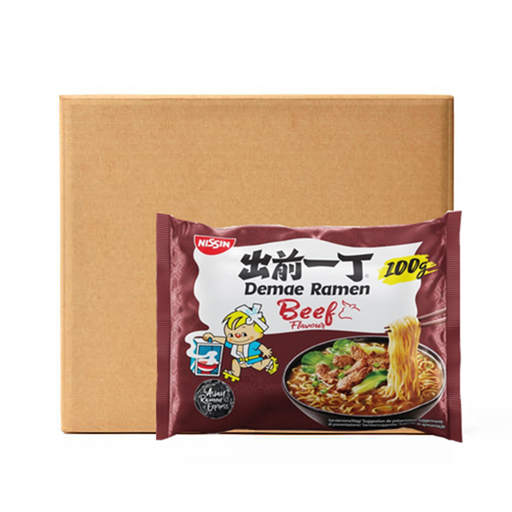
Why it suits this profile: A box of 30 sachets is practical for student houses, families, stock management or anyone who regularly needs a quick base for a meal.
The packaging states that it contains 30 individual portions of 100 grams. This makes the total quantity clear, allowing you to estimate storage space and consumption in advance.
30 portions, beef flavour and a stated preparation time of just a few minutes.
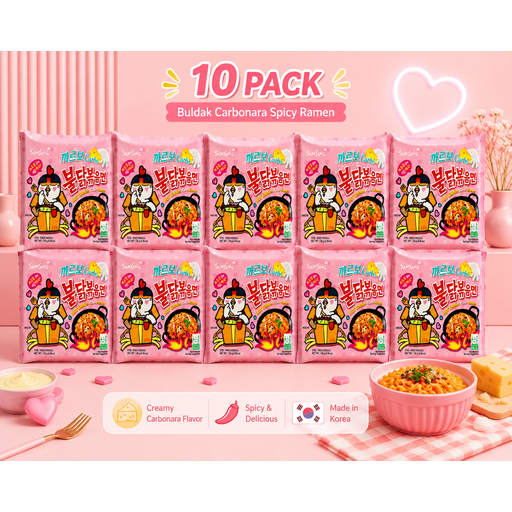
Why it suits this profile: The combination of a spicy sauce and carbonara-style flavour is aimed at consumers who deliberately choose a bold Korean ramen experience.
The product specification identifies the spicy sauce and allergens such as gluten, soya and milk. Check the portion size and consider starting with less sauce.
10 sachets of 130 grams, thick wheat noodles and separate sauce and powder mixes.
We have put together a complete, up-to-date list of products that fully meet these strict selection criteria and the applicable European safety regulations.
Instant noodles become more versatile with a few simple additions. Try adding spring onion, pak choi, carrot, mushrooms or an egg. Bean sprouts, cucumber or crispy fried onions work well with dry Indonesian noodles. With spicy noodles, start by using only part of the seasoning mix and add more later if needed.
Store unopened sachets in a cool, dry and dark cupboard. Check the packaging for damage and preferably use an opened sachet straight away. The best-before date and instructions on the packaging should always be followed.
Check the date on the packaging and store the product somewhere dry and out of direct sunlight. Once opened, moisture can affect the texture and quality. Do not use sachets that are damaged or leaking.
That depends on the portion size and your individual nutritional needs. Many varieties mainly contain noodles and seasonings. Adding vegetables, egg, tofu or other ingredients makes the meal more substantial. Always check the nutritional values and salt content on the label.
“Ramen” usually refers to Japanese- or Korean-style noodles made with firm wheat noodles and often served in a broth. “Noodles” is a broad English term for noodles. Udon is generally thicker and softer. The preparation method varies by product, so follow the instructions on the packaging.
