
Vandaag of morgen in huis

Kwaliteit gegarandeerd

Welkomstaanbiedingen ontgrendelen: GRATIS bezorging | Tot 80% korting | Gratis 30 dagen JoyPlus-proefperiode
Download de app
Would you like to drink less sugar while still keeping cola, orange soda or another carbonated drink at home? Then zero-sugar soft drinks may seem like a straightforward choice. However, products can differ significantly in taste, caffeine content, packaging and nutritional values. A prominent claim on the front of the pack does not always tell the full story.
As a Joybuy Product Recommendation Officer, I filter the most important product information so you can compare marketing claims with verifiable specifications. Below, you will find what to look for when choosing sugar-free soft drinks, a 24-pack of soft drinks or a smaller format.
Sugar-free soft drinks generally contain very few calories, but not every product has exactly the same nutritional values. Therefore, check the table per 100 ml. Coca-Cola Zero Sugar, for example, lists 0.3 kcal per 100 ml. Pepsi Zero Sugar lists 0.4 kcal per 100 ml. Some fruit-flavoured varieties may have a higher value because of fruit juice or other ingredients.
Also pay attention to the difference between:
Cola often contains caffeine unless the label explicitly states caffeine-free cola. This matters if you want to serve the drink at different times of day. The ingredient list for Coca-Cola Zero Sugar Caffeine Free does not list caffeine as an ingredient, while regular Coca-Cola Zero Sugar and Pepsi Zero Sugar do list caffeine-related ingredients.
A zero-sugar energy drink is a different category altogether. According to the product information, Celsius and Monster contain caffeine and are therefore not the same as regular sugar-free soft drinks.
A large multipack may appear good value, but always check:
A tray of 330 ml soft drink cans is convenient for entertaining and portion control. 500 ml PET bottles can be resealed, but carbonation may dissipate more quickly after opening. A 24-pack is particularly practical if you use the product regularly and have enough cool, dry storage space.
Compare the nutritional values per 100 ml rather than relying solely on the front of the packaging. A product may be labelled “zero”, “no sugar” or “sugar-free”, while still differing in taste and composition.
Also review the ingredients list. Many zero-sugar drinks use a combination of sweeteners. Products containing aspartame must, according to the product information, carry a warning about a source of phenylalanine. Therefore, always check the current label, particularly in the case of an allergy, intolerance or phenylketonuria (PKU).
Choose the format according to how you intend to use it:
Pay close attention to the product title when buying multipacks. “24 x 330 ml” means something different from “12 x 500 ml”. Product images may vary by market or batch; the text on the packaging and the current product page should be treated as authoritative.
If you want to drink soft drinks in the evening or at various times throughout the day, check the caffeine information. According to the supplied product information, Coca-Cola Zero Sugar Caffeine Free is a sugar-free cola without caffeine, supplied in a pack of 24 x 330 ml cans. Regular zero cola and Pepsi Zero Sugar do contain caffeine according to their ingredient information.
Carbonated energy drinks such as Monster Energy Zero Soda and Celsius also contain stimulating ingredients. Do not treat these as direct substitutes for regular cola or orange soda, and follow the age and usage information on the packaging.
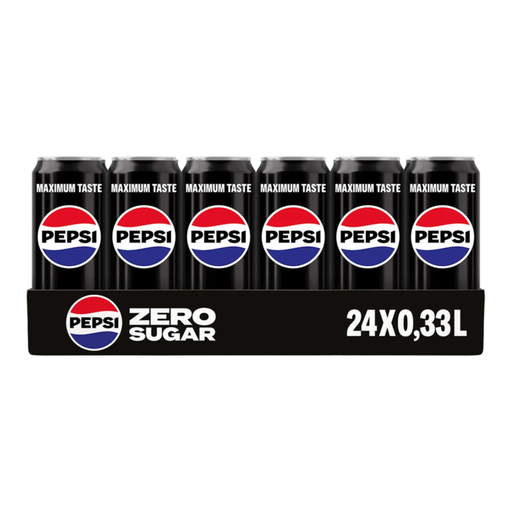
Why it fits: A generous supply for households that drink cola regularly and prefer a standard can size.
The packaging specifies 24 individual 330 ml cans, making the total volume easy to calculate.
According to the product information, the drink contains 0.4 kcal and 0 g of sugar per 100 ml.
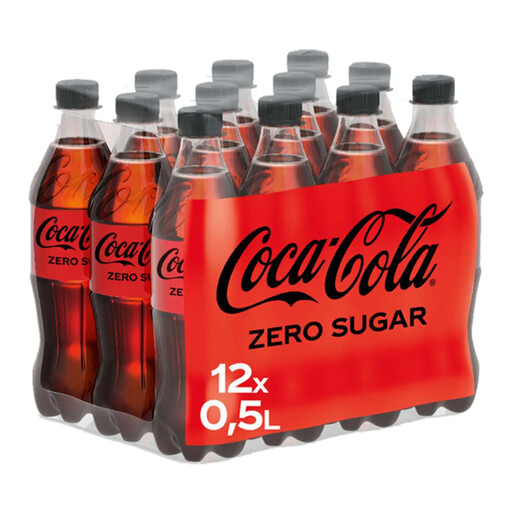
Why it fits: The resealable PET bottle is suitable for home, travel or a longer drinking break.
The 500 ml format makes the volume per bottle clear, so you are not paying simply for a large-sounding multipack.
The product information lists 0.3 kcal and 0 g of sugar per 100 ml, along with a resealable bottle.

Why it fits: A practical choice for anyone looking for the taste of cola without caffeine, according to the product description.
The “Caffeine Free” designation is the key detail; always check this feature again on the can when your order arrives.
A pack of 24 x 330 ml and, according to the supplied information, 0.3 kcal and 0 g of sugar per 100 ml.
Browse a current selection of sugar-free carbonated drinks and compare flavours, formats and product features.
The terms are often used interchangeably in product names. Always check the nutritional information table. A product sold as zero sugar should, according to the product information, contain no sugar, but the precise calorie and carbohydrate values may vary by flavour.
That depends on the price per litre and how you use the drinks. A 24-pack of cans is convenient for individual servings and stocking up. A 12-pack of 500 ml bottles provides more drink per unit and is resealable. Divide the total price by the total number of litres for a fair comparison.
Store opened soft drinks in accordance with the label, refrigerated, and consume them within the stated period. Taste and carbonation generally decline after opening. Store unopened cans and bottles in a cool, dry place away from direct sunlight and excessive heat. Always check the best-before information on the packaging before purchasing.
