
Vandaag of morgen in huis

Kwaliteit gegarandeerd

Welkomstaanbiedingen ontgrendelen: GRATIS bezorging | Tot 80% korting | Gratis 30 dagen JoyPlus-proefperiode
Download de app
Zero sugar soft drinks are popular with households, active adults and party organisers. You’ll find cola, citrus drinks, fruit flavours and sugar-free energy drinks in cans, bottles and bulk packs. However, not every choice is equally practical for your needs.
If you only look at the words “zero” or “no sugar”, you could be in for a surprise. So always check the label, the size and the caffeine content before placing an order.
Zero sugar soft drinks typically contain sweeteners instead of sugar. The ingredients used and the taste can vary from brand to brand and variant to variant. So check the ingredients list for things like aspartame, acesulfame-K, sucralose or saccharin.
Some products also state that they are a source of phenylalanine. This is indicated on variants containing aspartame, among others. Always check the packaging if this information matters to you.
Cola zero is not necessarily caffeine-free. According to the product information, Pepsi Zero Sugar and many regular cola zero variants contain caffeine. If you want soft drinks without caffeine for different times of the day, look specifically for the mention caffeine free or caffeine-free.
Energy drinks are a separate category. According to the product information provided, Celsius and Monster contain caffeine. The term “zero” there refers to the sugar content, not the absence of caffeine.
A tray of 24 cans is handy for a party or the pantry, but it takes up more space and has a higher total price. So compare the price per can or per litre, not just the price of the box. Also pay attention to the difference between 330 ml cans, 500 ml bottles and 1.5 litre bottles.
Look at the nutritional information table per 100 ml. Products in this selection usually state 0 grams of sugar per 100 ml, but the energy value can vary. Fanta Orange Zero, for example, states 0.4 grams of carbohydrates and 0.4 grams of sugars per 100 ml in the product information provided. Always check the current packaging, as compositions and labels can change.
“Sugar-free” therefore mainly says something about the sugar content. It doesn’t automatically say anything about taste, caffeine, acids or sweeteners.
For a family, office or event, a mix of caffeinated and caffeine-free drinks isn’t always practical. So when buying soft drinks in a 24-can pack, check the ingredients list for caffeine. With energy drinks, caffeine is often a central part of the product.
Monster Energy Zero Soda, for example, states 0.03% caffeine and an age limit of 16 years in the product information. Celsius variants of 250 ml also state 0.03% caffeine. Use the drink according to the instructions on the packaging and consume energy drinks responsibly.
330 ml cans are suitable for handing out and serving chilled. A 500 ml PET bottle has the advantage that you can reseal it. A 1.5 litre bottle is practical for a table or buffet, but once opened, the soft drink must be stored chilled and used within the recommended period.
Store all variants in a cool, dry place, out of direct sunlight and according to the instructions on the label. Check the best-before date on the packaging.
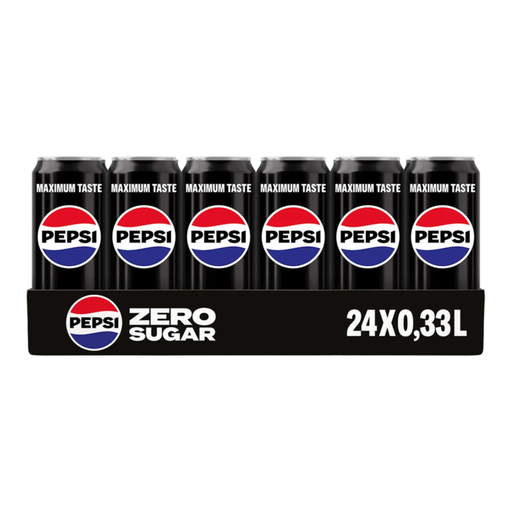
Why this fits the profile: A tray of 24 cans is straightforward for home, visitors or a small event. The product information states 0 grams of sugar per 100 ml and a size of 330 ml per can.
The fixed number of cans makes the total quantity clear. However, do check the caffeine content and sweeteners on the current label.
24 x 330 ml; 0.4 kcal per 100 ml according to the product information; suitable for serving chilled.
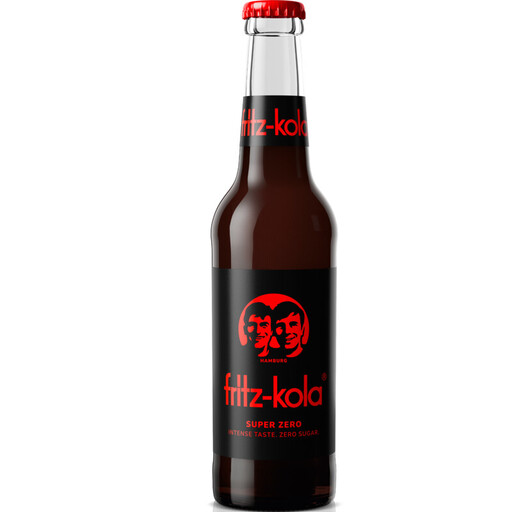
Why this fits the profile: This variant comes in a 330 ml glass bottle and is aimed at those who value presentation and a different type of packaging.
The bottle material and contents are clearly stated. This allows you to compare this choice with cans based on use and storage.
330 ml glass bottle; 0 grams of sugar and approximately 1 kcal per 100 ml according to the product data; serving at 4–6 °C is recommended.
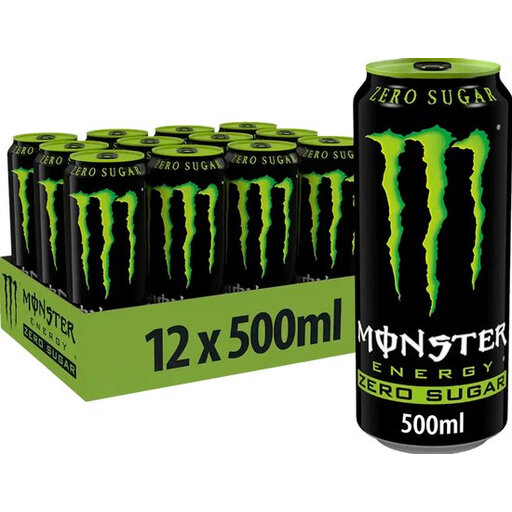
Why this fits the profile: The 500 ml cans are aimed at users who specifically want sugar-free energy drinks and find the larger size practical.
The product information explicitly states caffeine, an age limit and responsible use. This makes the distinction from regular zero soft drinks clear.
12 x 500 ml; 0 grams of sugar; 0.03% caffeine according to the product information provided; store out of direct sunlight.

Why this fits the profile: This bulk pack combines 24 cans of 330 ml with the explicit caffeine free label, perfect for times when you want to avoid caffeine.
The caffeine-free variant prevents you from relying solely on the term cola zero. However, always check the current packaging before purchasing.
24 x 330 ml; 0 grams of sugar; according to the product information, caffeine-free with 0.3 kcal per 100 ml.
We’ve put together a full, up-to-date list of products that fully meet these strict selection criteria and comply with current European safety regulations.
In everyday use, the terms are often used for the same product group. To be sure, check the nutritional information table: it should show the sugar content per 100 ml. Also look at the ingredients, because sugar-free soft drinks can contain different sweeteners.
This varies by variant. Coca-Cola Zero Sugar Caffeine Free explicitly states that the product is caffeine-free. Regular cola zero and Pepsi Zero Sugar may contain caffeine according to the product information. Always check the label before ordering a bulk pack.
That depends on the price, delivery costs and the size. Divide the total price by 24 and then compare the price per 330 ml with other packaging. A bulk pack is especially practical when you use the cans within their shelf life and have enough storage space.
