
Vandaag of morgen in huis

Kwaliteit gegarandeerd

Welkomstaanbiedingen ontgrendelen: GRATIS bezorging | Tot 80% korting | Gratis 30 dagen JoyPlus-proefperiode
Download de app
Yoghurt snacks come in many forms: from yoghurt sweets and yoghurt gummies to yoghurt biscuits, cookies and fruit yoghurt snacks. There are also soft dairy and fruit snacks for babies from 6 or 8 months old. This wide choice doesn’t always make comparing easy.
Pay particular attention to three common pitfalls:
If you’re thinking about buying snacks online, it’s a good idea to check the ingredients, allergens and nutritional values first. Only then can you decide whether a product suits a lunchbox, coffee break, store cupboard or baby meal.
Look at the ingredients list rather than just the product name. A snack might contain yoghurt powder, fermented milk powder, milk constituents or just a flavouring. That difference matters when you’re after a genuine dairy taste or need to consider milk content.
With yoghurt sweets and yoghurt gummies, sugar, glucose syrup and gelling agents are often near the top of the list. That’s not unusual for sweets, but it’s relevant information for your choice. A yoghurt biscuit or sandwich cookie also typically contains wheat, oil and sugar.
The nutritional table per 100g makes products comparable. Look in particular at:
A single-serving pack is handy for on the go, but check you’re not buying multiple sachets you don’t need. Individual packs can help keep things fresh, but they also create more packaging waste.
In the Netherlands and the EU, major allergens must be clearly listed on the label. Check in particular for milk, wheat/gluten, soya, egg and sulphites. Product information online can change or be incomplete, so always use the packaging as your final check.
For baby yoghurt snack products, the age recommendation is decisive. Products such as Nestlé Yogolino and Olvarit are labelled according to the product information provided for babies from 6 or 8 months. That doesn’t make them suitable for every baby: check for milk allergy, lactose intolerance, texture, portion size and the instructions on the label. Don’t just give gummies, hard sweets and crumbly biscuits to young children.
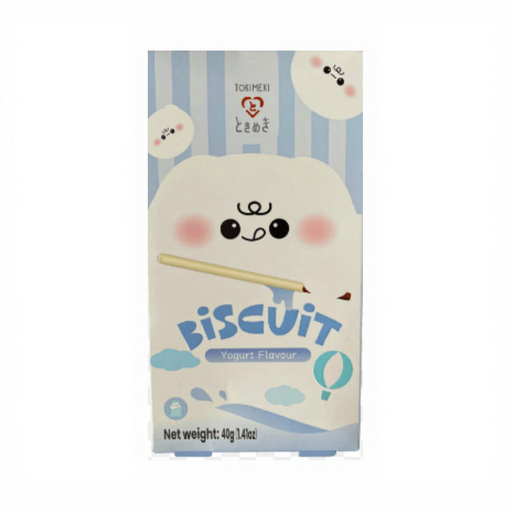
Why this fits the profile: A small pack is practical for trying a yoghurt biscuit first without buying a large quantity straight away.
The 40g portion makes the quantity clear. The product information also lists wheat, egg and milk as allergens.
40g per pack; 192 kcal and 7.2g sugar per pack according to the product information.
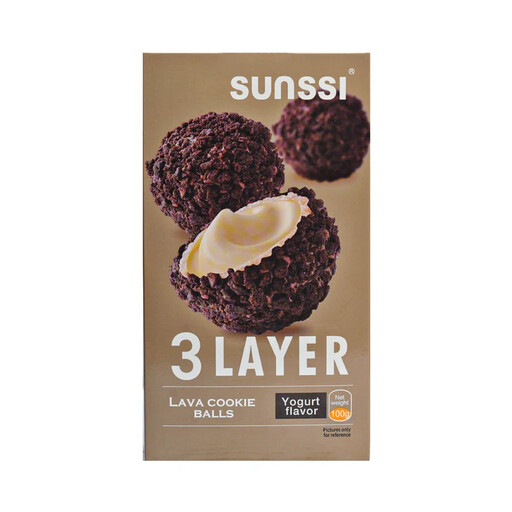
Why this fits the profile: Ideal for anyone looking for a distinctive combination of a crispy biscuit layer and a yoghurt-flavoured filling.
The product description explicitly mentions yoghurt powder from New Zealand whole milk and lists wheat and milk as allergens. It is not a baby product.
100g content; ready to eat; 562 kcal and 11.3g sugar per 100g according to the stated nutritional values.
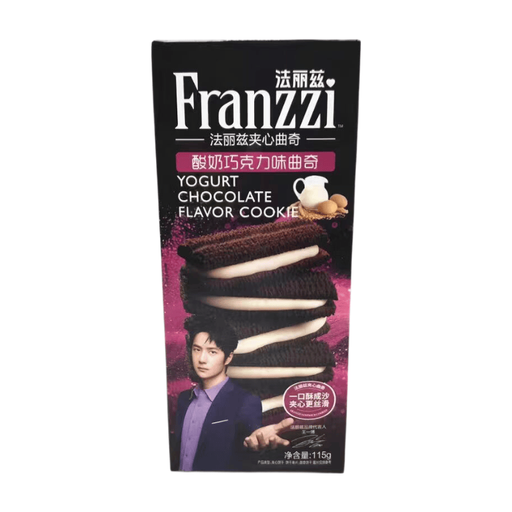
Why this fits the profile: A larger bag suits a household where several people share biscuits with coffee, tea or a snack break.
The ingredients clearly list wheat, soya and milk. After opening, the bag must be sealed well to keep the crispy texture.
115g content; combination of yoghurt and chocolate flavour; ready to eat.
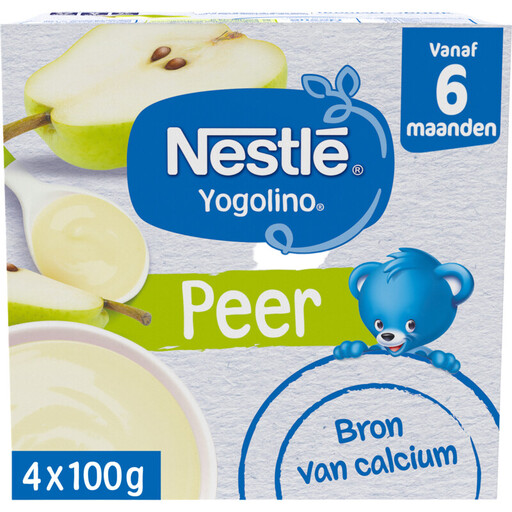
Why this fits the profile: According to the product information, this is a soft milk snack with pear, intended for children from 6 months old.
The age recommendation, ingredients and milk allergy warning are all stated. After opening, the product must be refrigerated and used within 24 hours.
83 kcal per 100g; 93mg calcium per 100g; can be stored unopened outside the fridge according to the product information.
We’ve put together a full, up-to-date list of products that fully meet these strict selection criteria and comply with current European safety regulations.
Not automatically. Gummies can be small, chewy or difficult to chew. Check the age recommendation, ingredients and allergens. For babies, ordinary yoghurt gummies and other sweets are not a suitable choice without a clear indication of suitability for that age.
That depends on the packaging and storage. Keep biscuits cool and dry, out of direct sunlight. Seal an opened bag well and look for instructions such as “consume immediately after opening” or similar information. A best-before date doesn’t mean the texture stays the same after opening.
The price depends on the content, brand, delivery costs and type of packaging. So compare the price per 100g or per portion, not just the total price. When buying snacks online, combining several products can work out cheaper, but first check the best-before date, storage and allergens for each item.
