
Teachers handing out portions
Would you like to give each participant a jar with a lid? Compare how many jars fit in one batch, which lids are included and how much space you have in the fridge.


Choose a yoghurt maker with individual jars if each participant needs a sealed portion; a model with a large container is better suited to a group demonstration. Check the capacity per batch and plan tasting separately: Ariete gives a preparation time of 10–12 hours for the Yogurella 0617/00. You’ll also need to use clean equipment and keep the yoghurt chilled.
Would you like to give each participant a jar with a lid? Compare how many jars fit in one batch, which lids are included and how much space you have in the fridge.
If you want to demonstrate yoghurt making and offer a tasting, bear in mind that Ariete gives a preparation time of 10–12 hours for the Yogurella 0617/00. A batch prepared in advance and chilled can let you hold the tasting separately from the demonstration.
Plan how you’ll keep everything clean and store the yoghurt chilled. If you sell or serve food as a business, also check which food safety and allergen rules apply to your situation.
Start with the number of portions you need per batch and the time between demonstrating and tasting. Manufacturer specifications for the number of jars, batch capacity and preparation time apply to the specific model named.
| What to consider | What to look for when buying | Who is this important for? |
|---|---|---|
| Individual portions | Check how many filled jars fit in the appliance at once, as well as their capacity and lids. Rommelsbacher specifies eight 150 ml jars per batch for the JG 40; the number of jars supplied with the Severin JG 3520 does not, by itself, confirm its batch capacity. | If I want every participant to take home their own jar, the capacity per batch matters, not just the number of jars in the box. Around 36% of consumers prioritise individual workshop portions. |
| Preparation time | Check the preparation time for the specific model and recipe. Ariete gives 10–12 hours for the 0617/00; a timer, such as the one offering up to 18 hours on the Rommelsbacher JG 40, won’t shorten fermentation. | If my workshop is short, I want to offer yoghurt for tasting without expecting a new batch to be ready straight away. Around 29% of consumers prioritise planning the demonstration and tasting. |
| Cleaning and chilling | Check the cleaning instructions, suitable lids and the fridge and worktop space available. Plan how you’ll keep the yoghurt chilled after preparation. | When handing out portions to a group, I want to use clean equipment and know where I can keep the portions chilled. Around 21% of consumers prioritise safe cleaning, storage and serving. |
| Only the features you need | Compare the controls and containers supplied with what you’re actually going to make. Extra programmes for other recipes aren’t necessary if your workshop is only about plain yoghurt. | If I’m making only plain yoghurt, I mainly want the basic function and suitable portions, rather than choosing features I won’t use. Around 14% of consumers prioritise a simple basic model. |
The Severin JG 3520 is listed with 14 jars, but this doesn’t confirm how many can ferment at once. Rommelsbacher does specify a batch of eight jars for the JG 40.
Check the manual to see how many filled jars fit in the appliance at once before deciding how many participants each batch can serve.
If one batch isn’t enough, you may need to start a second batch in advance or use an extra appliance.
A timer helps with planning, but it won’t make fermentation happen straight away. Ariete gives a preparation time of 10–12 hours for the Yogurella 0617/00.
If the workshop is shorter than the preparation time for your chosen recipe, plan the tasting separately.
Offering a tasting during a short session means preparing a batch in advance and having enough fridge space.
The Joybuy listing with “JG 80” in the title identifies the model in its product specifications as IB 05, an accessory rather than a yoghurt maker.
Before buying, check the model number, product category and product information.
The JG 3518 and JG 3520 are jar-based models with different numbers of jars included.
The JG 40 is designed for individual portions, while the JG 80 combines a larger yoghurt container with small portion pots.
The Ligne 459002 is a jar-based model; the 459602 adds programmes for other recipes.
The Yogurella 0617/00 uses individual jars; the 0621/10 comes with containers and a filter accessory.
Joybuy product picks for making yoghurt at workshops. For each listing, check that the model name and product category match the appliance you need.
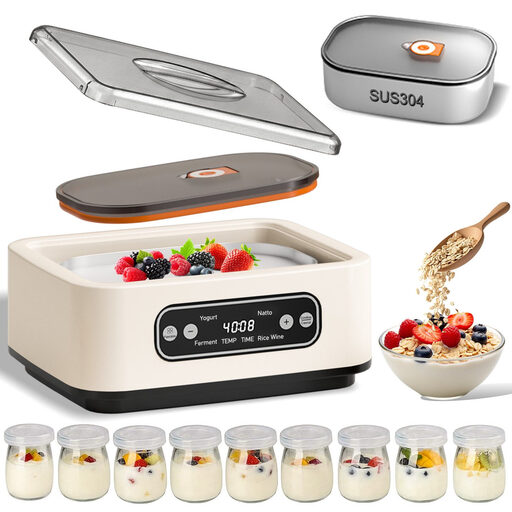 Image unavailable
Individual glass jars are a good fit for a workshop where portions are handed out separately.
The product description lists nine 100 ml borosilicate glass jars and a timer adjustable from 1 to 99 hours.
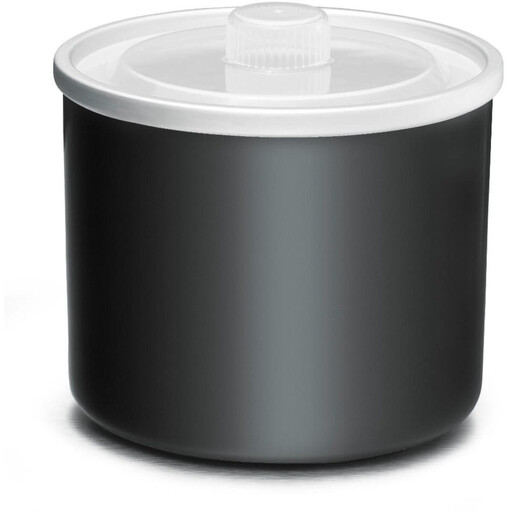 Image unavailable
The product information for this listing identifies model IB 05 as an accessory, not a yoghurt maker. It isn’t suitable for making plain yoghurt, so check the product category and model number carefully.
 Image unavailable
Individual jars are ideal for a workshop where participants each get their own portion.
The product description lists eight 150 ml glass jars with lids and a timer adjustable from 1 to 18 hours.
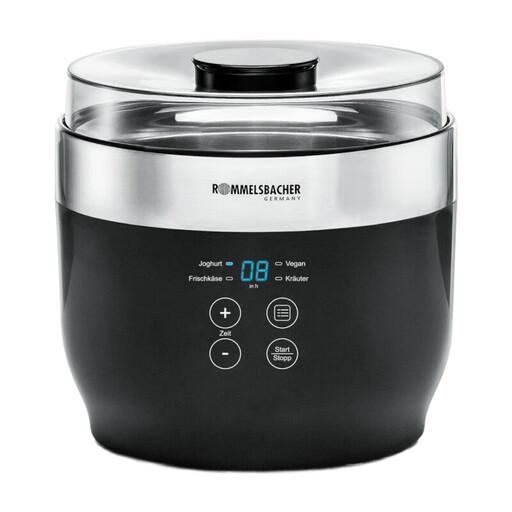 Image unavailable
A model with larger containers is suited to a group demonstration; you can divide the yoghurt into individual portions afterwards if participants need them.
The product description lists two 1.2-litre glass containers, four 125 ml ceramic portion pots and a programme for plain yoghurt.
Not necessarily: Ariete gives a preparation time of 10–12 hours for the Yogurella 0617/00. For a short workshop, prepare a separate batch in advance for tasting if needed, and use a new batch for the demonstration.
Voedingscentrum recommends using clean hands, surfaces and kitchen utensils when preparing dairy products. Use pasteurised or sterilised milk; raw milk from a farm must be boiled before use. Keep perishable dairy products chilled and set your fridge to 4 °C. General dairy storage advice doesn’t replace the fermentation instructions for your yoghurt maker.
According to the NVWA, you must register if you sell food several times a year; the NVWA says registration isn’t required if you sell food once a year. If you sell food several times a year, it also says you need a food safety plan or hygiene code. If you sell or supply food to customers, you must tell them about any allergens present, including milk and lactose. The requirements that apply to your workshop depend on how you supply or sell food.
Choose a batch capacity that suits the number of participants who’ll each get their own portion. Rommelsbacher specifies eight 150 ml jars per batch for the JG 40; for the Severin JG 3520, the 14 jars supplied don’t confirm how many can ferment at once. Check the manual for this information.