
Cook with a small worktop
You want to make natural yoghurt and need to factor the space available on your worktop into your choice.


If you’re making natural yoghurt on a small worktop, a model with one container is a sensible place to start if saving space is your priority. Individual jars are a better fit if you want to store portions straight away. Measure the space available and compare it with the dimensions of the exact model, the amount it makes per batch and the room in your fridge. The Dutch government states that electrical appliances placed on the EU market must carry a CE mark, so check this on the specific item.
You want to make natural yoghurt and need to factor the space available on your worktop into your choice.
You want to portion yoghurt straight into jars and weigh up whether the extra washing-up and fridge space are manageable.
You make batches regularly and compare the quantity, controls and storage space with the room you have available.
First measure the available width, depth and height. Then decide whether one container or individual portion jars better suit the amount of yoghurt you make and store.
| What to consider | What should you look for? | Who is this important for? |
|---|---|---|
| Worktop space | Compare the appliance’s external dimensions with the space available, including its height if there’s a cupboard above it. Ariete lists the Yogurella 0621/10 as measuring 17 × 17 × 19 cm; Severin gives the JG 3518 a footprint of 24 × 24 cm. | If you only have a small amount of worktop space free, you’ll want to know whether the appliance will actually fit. Around 36% of consumers say available space is their main concern when buying. |
| Container or jars | Check the capacity per batch and whether you’d rather spoon yoghurt from one container or make it directly in individual jars. Ariete lists a 1-litre container; Severin specifies seven 150 ml jars. | If you mainly want to make natural yoghurt, compare the yield and how you’ll portion it after it’s made. Around 29% of consumers say ease of preparation is their top priority when buying. |
| Portions and storage | Check the number of jars, their capacity and lids, and whether you have room to store them in the fridge. Steba lists twelve 0.2-litre glass jars for the JM 2; the Dutch Nutrition Centre advises keeping dairy products chilled. | If you want to store portions straight away, both the number of jars and the space available in your fridge matter. Around 21% of consumers prioritise portions and storage space. |
| Timer and controls | Check whether the exact model has a timer and automatic shut-off, then review its dimensions again. Steba lists a timer for the JM 2, while Rommelsbacher specifies a timer of up to 18 hours for the JG 40. | If you find a preset preparation time useful, weigh up that convenience against the space the appliance takes up. Around 14% of consumers prioritise the timer and controls when buying. |
An appliance may still fail to fit in the intended spot because of its width, depth or height. Two manufacturer pages give different external dimensions for the Rommelsbacher JG 40.
Measure the space available and confirm the dimensions of the exact item with the seller if a few centimetres could make all the difference.
If an appliance doesn’t fit where you intended to put it, you may have to store it somewhere else.
A set of individual jars is different from one container of yoghurt. Jars take up space in the fridge and need washing after use; prepared dairy products should be kept chilled.
First decide whether you’d rather spoon yoghurt from one container or store portions straight away. Then compare the capacity, number of jars and space available in your fridge.
More jars can mean extra washing-up and take up more fridge space.
There is no fixed statutory guarantee period in the Netherlands. The Dutch government says the seller is responsible for resolving the issue if a product doesn’t meet the standard you’re entitled to expect.
Before paying for extra cover, read what it provides beyond your statutory rights.
Additional cover may cost extra; compare what it includes with your existing rights before deciding.
The Yogurella 0621/10 is worth considering if a small footprint and one container matter more to you than individual portion jars.
The JG 3518 comes with individual portion jars and is an option if its 24 × 24 cm footprint fits on your worktop.
The JG 40 combines portion jars with a timer, but the published dimensions don’t provide a consistent basis for checking whether it will fit in a tight space.
The JM 2 is an option if you want to make lots of individual portions per batch and have enough worktop and fridge space.
These Joybuy products are related to making natural yoghurt. Before buying, check the dimensions that matter for your worktop and the CE mark on the specific item.
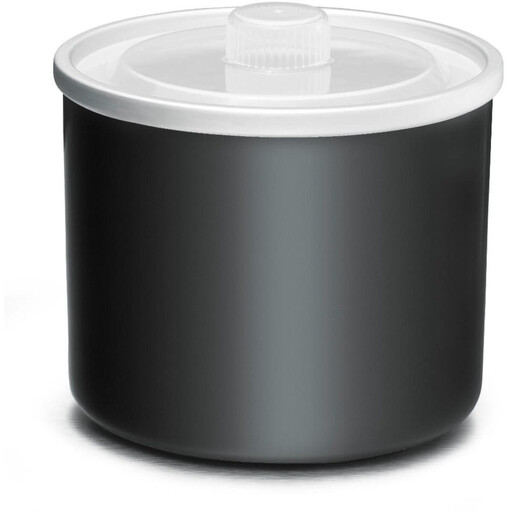 No image available
An option if you want to make and store natural yoghurt in individual jars.
The product description lists eight 150 ml jars with lids and an adjustable timer from 1–18 hours. Check the CE mark on the specific item.
 No image available
An option with individual portion jars if you want to store separate portions after making your yoghurt.
Rommelsbacher lists eight 150 ml jars and a timer of up to 18 hours for the JG 40. The manufacturer pages give different external dimensions, so confirm the measurements of the exact item. Check the CE mark too.
No. Choose a capacity based on how much you want to make per batch and how much space you have. For example, manufacturers list a 1-litre container or twelve 0.2-litre jars for different models; a larger quantity isn’t necessarily more convenient on a small worktop.
Use clean kitchen utensils and keep the prepared dairy product chilled. The Dutch Nutrition Centre advises storing dairy products at 4 °C. Don’t automatically apply the storage period for opened shop-bought yoghurt to homemade yoghurt.
Check what paid additional cover includes and what servicing is available for the exact model. The Dutch government says there is no fixed period for statutory rights in the Netherlands, and the seller is responsible if a product doesn’t meet the standard you’re entitled to expect.
Yes. The Dutch government states that electrical appliances placed on the EU market must carry a CE mark. Check the mark on the specific product; a product listing alone doesn’t confirm that it has one.