What should you look for when choosing?
First, decide how you want to portion the yoghurt for lunch. Then check whether you can plan when preparation finishes and have time to keep the yoghurt chilled afterwards.
| What to consider |
What should you check? |
Who is this important for? |
| Preparation time and chilling |
Check the timer and any automatic shut-off function for each model. Also plan when you’ll put the yoghurt in the fridge after fermentation; shut-off does not mean chilling. |
If I start in the evening, I want to know when I can chill the yoghurt and whether that works with lunch. Around 36% of consumers prioritise this planning. |
| Quantity and portions |
Compare the number of pots, the capacity of each pot and the space available in your fridge. A container and individual portion pots offer different ways to store yoghurt. |
If you portion out lunch in advance, you’ll want the number and capacity of the pots to suit the meal. Around 29% of consumers prioritise portioning. |
| Controls and cleaning |
Check the controls and cleaning instructions for your chosen model. Bear in mind the separate parts you’ll need to clean after use. |
If I want to spend less time on operating and washing up, I look at the number of separate parts and the instructions. Around 21% of consumers prioritise ease of use and cleaning. |
| Straining and other recipes |
Check whether a strainer is included and whether the programmes or instructions suit the ingredients you want to use. Follow a suitable recipe if you’re using a different base. |
If you want to strain yoghurt or try an alternative recipe, check whether the model includes the required strainer or setting. Around 14% of consumers prioritise these preparation options. |
Yoghurt makers at Joybuy
This selection includes a yoghurt maker with individual portion pots and Rommelsbacher models for anyone considering a larger container or a different way to prepare yoghurt. Compare the accessories and specifications of each version with your lunch plans.
 No image available
Rommelsbacher JG 40 yoghurt maker
Suitable if you want to portion the yoghurt into individual servings for lunch in advance.
According to Rommelsbacher: eight 150 ml glass pots, a timer of up to 18 hours and automatic shut-off.
Automatic shut-off doesn’t chill the yoghurt, so plan when to refrigerate it after fermentation.
Joybuy
 No image available
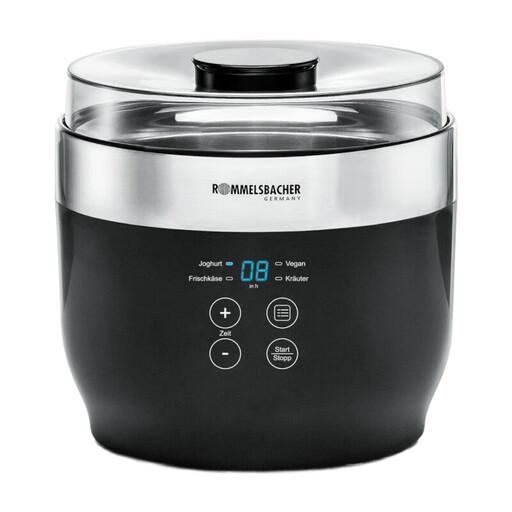
Rommelsbacher JG 80 yoghurt and cream cheese maker
Suitable if you want to make a larger batch or strain yoghurt.
According to Rommelsbacher: two 1.2-litre containers, four 125 ml cups and a strainer.
Straining is a separate step; remember to chill the yoghurt after fermentation too.
Joybuy
 No image available
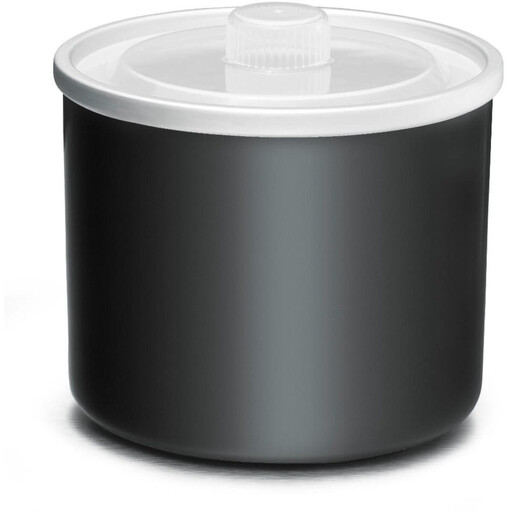
Rommelsbacher Home Yogurt & Cheese Maker JG 80
An option to compare if you’re looking for an appliance whose product name mentions yoghurt and cheese making.
Before choosing, check the parts included and controls on this version. Compare these with the portions you want and your plans for chilling the yoghurt.
Joybuy
Frequently asked questions
Can I leave yoghurt in the appliance until lunchtime after it switches off automatically?
Don’t use the appliance to store yoghurt: automatic shut-off doesn’t chill it. Refrigerate the yoghurt after fermentation and store perishable foods in a fridge set to 4 °C, as recommended by the Voedingscentrum.
How should I prepare and clean the pots?
Wash the equipment thoroughly before preparation and follow the model-specific instructions for the appliance and pots. University of Missouri Extension recommends washing the equipment used with warm, soapy water and rinsing it thoroughly. Also choose a quantity that you can store chilled after preparation.
Which ingredients can I use as a base?
For plain yoghurt, use a suitable recipe with milk and starter culture. The Voedingscentrum says pasteurised milk is the safer choice and advises boiling raw milk before use. If you’re using plant-based ingredients, check that the recipe and instructions for your chosen model are suitable.
What warranty rights apply to purchases in the Netherlands?
As well as any manufacturer’s warranty, you have statutory warranty rights in the Netherlands. ACM ConsuWijzer explains that the seller must offer an appropriate solution if a product breaks sooner than you could reasonably expect under normal use.
What product requirement applies to an electric yoghurt maker in the Netherlands?
According to the Dutch government, electrical appliances placed on the market in the EU must have a CE mark. Check the mark on the actual appliance; don’t assume a specific version complies without checking.


