For a simple yoghurt dressing with ingredients that have already been finely chopped, a whisk will do. A hand blender with a suitable beaker is handy for mixing small portions or processing ingredients more finely. A jug blender is best suited to larger quantities for a group, but check that the smallest portion you plan to make will blend properly in the jug. Clean shared kitchen utensils between preparations and keep the dairy dressing chilled, as advised by the Voedingscentrum.
Which type is right for you?
Workshop host making small portions
If participants are making their dressing individually, you’ll need a mixing container that works well with small quantities. The basic recipe from Uit Paulines Keuken combines yoghurt with finely chopped ingredients, then stirs them together with a whisk.
Workshop host catering for a group
If you’re making one batch for everyone, compare the recipe volume with the jug capacity and the workspace available. KitchenAid lists a 1.4 l blending jug for the K150 model 5KSB1325EDG.
Workshop host using different recipes
If you’re processing herbs or other ingredients as well as yoghurt, check which attachments you’ll need for those tasks and how to clean them between preparations. Bosch and Philips describe the models reviewed as having accessories for different tasks; the Voedingscentrum advises using clean kitchen utensils and keeping surfaces clean.
What should you look for when choosing?
Whisk
Choose this if: you’re mixing small portions of a simple recipe with ingredients that have already been finely chopped.
Bear in mind: chopping and blending until smooth won’t happen automatically.
Hand blender with beaker
Choose this if: you want to mix small portions in a suitable beaker or process ingredients more finely.
Bear in mind: beaker sizes, texture and included accessories vary by model.
Jug blender
Choose this if: you’re making larger quantities at once.
Bear in mind: a larger jug needs space and cleaning; its capacity alone doesn’t tell you whether it will blend a small portion well.
When making yoghurt dressing, the main things to consider are portion size, the processing you want to do and how often you’ll be switching between participants.
| Point to consider |
What should you check? |
Who is this important for? |
| Mixing small portions |
Check the beaker supplied and compare the smallest portion you plan to make with the instructions. |
If everyone is making a small quantity, you’ll want the mixing utensil to reach the ingredients. Around 33% of consumers put small portions first. |
| Texture and herbs |
Check whether the model you’re considering can handle the processing you want and which accessories are actually included. |
If you want to process herbs more finely rather than chop them in advance, that task will be the deciding factor. Around 25% of consumers prioritise their preferred texture and how ingredients are processed. |
| Cleaning between uses |
Check the cleaning instructions for each part and plan to use clean kitchen utensils and keep ingredients chilled. |
When sharing equipment, you’ll want to be able to clean the parts thoroughly between preparations, especially when handling dairy. Around 25% of consumers prioritise clean, safe changeovers. |
| Making a batch for a group |
Compare the recipe quantity with the permitted fill level and the space available on your worktop. |
If you’re making one batch for the whole group, having enough room in the jug matters. Around 17% of consumers prioritise making a larger quantity for everyone. |
Common mistakes when choosing
-
Choosing a large blender jug without checking the smallest portion
The stated jug capacity doesn’t tell you whether a small quantity will reach the blades. You can also mix a simple dressing with finely chopped ingredients using a whisk.
Before choosing a jug blender, compare the smallest recipe you plan to make with the instructions for the exact model.
-
Assuming wattages or bundles are the same across different product pages
For the Braun MQ50236M, Braun Household NL lists both 1000 W in the description and 750 W in the technical specifications on the same model page. This means the wattage isn’t a reliable basis for treating this model as a better choice.
Check the technical specifications for the exact model and see which parts are included with that variant before comparing models.
-
Using a shared attachment for the next preparation without cleaning it first
Shared kitchen utensils can come into contact with ingredients from different preparations. When handling dairy, clean utensils and chilled storage are important.
Allow time for cleaning and make sure you have clean parts between preparations. Take dairy out of the fridge just before use and put it back afterwards.
Brands to consider
Braun
The models reviewed range from a basic version to options with extra accessories.
- For the MultiQuick 1 MQ10.201MWH, Braun lists a beaker and a 350 ml chopper.
- For the MQ50236M, Braun Household NL lists both 1000 W in the description and 750 W in the technical specifications on the same model page. Don’t use the wattage as the deciding point when comparing models.
Bosch
The ErgoMixx MSM67160 model reviewed combines a detachable blending foot with accessories for a range of tasks.
- Bosch lists a chopper, whisk and measuring beaker for this model.
- Check which parts of this exact model you’ll need for the workshop and will need to clean after use.
Philips
The refurbished ProMix HR2543/90R1 model reviewed is a specific version with two speeds and a compact chopper.
- Philips lists herbs as one of the ingredients that can be chopped with the chopper.
- Make sure that refurbished and the full model number apply to this version; don’t confuse it with a new or differently configured model.
KitchenAid
The K150 5KSB1325EDG model reviewed is a jug blender with a 1.4 l blending jug, as listed by KitchenAid.
- The jug capacity is relevant if you want to make a larger batch for everyone.
- The stated capacity doesn’t prove that a small portion of dressing will blend well in this jug; check this for your recipe.
Products at Joybuy
These product options include hand blenders for mixing in a separate beaker and jug blenders for larger batches. Check each model’s functions, capacity and accessories to see whether they suit your portions.
 No image available
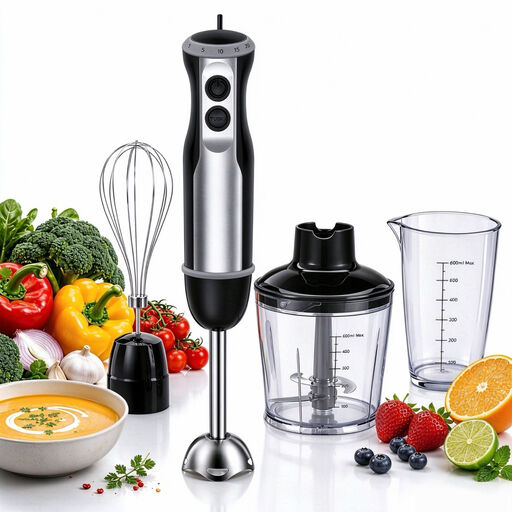
Hand blender with 6 speeds and turbo setting
The product name lists sauces as a possible use; check the instructions to see whether the amount of yoghurt dressing you have in mind is suitable for this appliance.
View at Joybuy
 No image available
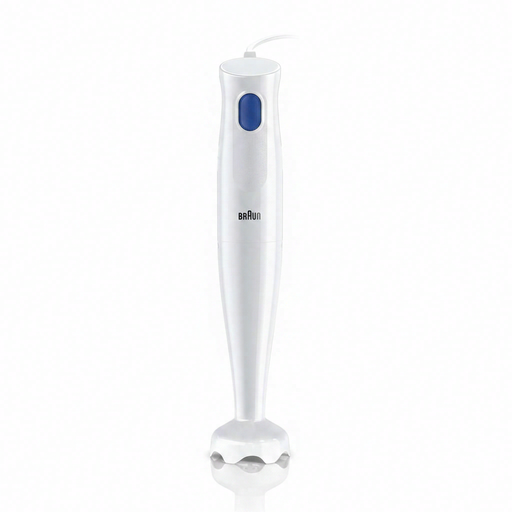
Braun MultiQuick MQ10.000PWH
An option if you want to mix ingredients in a separate beaker. Check whether the beaker supplied is suitable for the smallest portion in your recipe.
View at Joybuy
 No image available
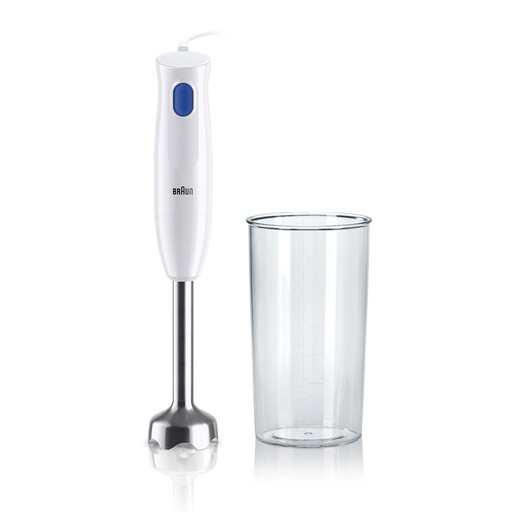
Braun MultiQuick 1 MQ10.001
If you want to chop or whisk ingredients as well as mix them, check whether the accessories you need are included with this exact model.
View at Joybuy
 No image available
Philips HR3020/20 blender
The product name lists a 1.5 l jug. This capacity may be useful for a batch for a group; also check whether the instructions say it can process your smallest portion properly.
View at Joybuy
 No image available
nutribullet Portable personal blender, 475 ml
The product name lists smoothies and shakes as possible uses. For yoghurt dressing, check whether the instructions allow this preparation and the volume you need.
View at Joybuy
Frequently asked questions
Do you need to buy a blender for a simple yoghurt dressing?
No. A whisk may be all you need for a simple dressing with finely chopped ingredients. The basic recipe from Uit Paulines Keuken combines the ingredients and stirs them together with a whisk; choose electric blending if you need a different texture or type of processing.
How should you use and clean an appliance between workshop preparations?
Use clean kitchen utensils and clean shared parts between preparations. Check the instructions for the exact model before putting parts in the dishwasher; this guidance doesn’t automatically apply to every part.
How should you store yoghurt dressing during the workshop?
Take dairy out of the fridge just before use and put it back afterwards. The Voedingscentrum advises setting your fridge to 4 °C; store any prepared leftovers according to the relevant advice for the ingredients.
Are you only covered by the manufacturer’s warranty after purchase?
No. Consumer purchases in the Netherlands are also covered by a legal guarantee: you’re entitled to a product that works as it should, and there’s no fixed statutory guarantee period. According to the Rijksoverheid, the retailer is your point of contact if something goes wrong; assess any extra warranty based on the additional rights it offers.
Does a cookery workshop need to list allergens and follow a hygiene code?
If you’re a business offering food to consumers, the NVWA says you must provide information about any allergens present. For a food business that prepares, processes or sells food, the NVWA describes a requirement to work with an HACCP food safety plan or a suitable approved hygiene code. Whether a particular private workshop falls under this business category depends on how it is organised.


