
Vandaag of morgen in huis

Kwaliteit gegarandeerd

Welkomstaanbiedingen ontgrendelen: GRATIS bezorging | Tot 80% korting | Gratis 30 dagen JoyPlus-proefperiode
Download de app
A yoga mat seems simple to choose, until you have to decide between TPE, cork, 6 mm or 10 mm thickness. Terms such as “non-slip”, “durable” and “extra cushioning” only become meaningful when you know which specifications they refer to. The wrong choice can leave you with a mat that rolls up during exercises, feels too soft or is awkward to carry.
As a Joybuy Product Recommendation Officer, I filter the most important product information down to practical details. This allows you to compare yoga mats based on verifiable features rather than marketing copy alone.
A yoga mat with a textured surface may provide more grip, but the flooring also makes a difference. Dust, moisture, tiles and smooth wooden floors can all affect stability. Always place the mat on a clean, level surface and check before use that the underside does not move.
Pay attention to the construction. A grippy surface helps your hands and feet stay in contact with the mat, while a profiled underside can help keep it in place on the floor. This is more practical than relying solely on the word “non-slip”.
A thick yoga mat measuring 10 mm may feel more comfortable during floor-based exercises. At the same time, the extra material can reduce direct stability during balancing poses. A 6 mm mat often provides a more direct connection with the floor for yoga, stretching and Pilates.
Choose according to how you intend to use it. A 10 mm mat may be suitable for gentle exercises and extra comfort. For poses where you want firm contact with the floor, 6 mm is a practical middle ground.
Check that the material, thickness and care instructions are clearly stated. TPE is flexible and easy to wipe clean. Cork has a natural top layer and is combined with a synthetic underside. According to the product descriptions provided by the relevant brands, properties such as low odour, moisture absorption or renewability may be mentioned; you should regard this information as a brand claim rather than a universally guaranteed result.
A durable yoga mat is about more than just its material. Cleaning it correctly, storing it somewhere dry and protecting it from prolonged heat or direct sunlight will also affect how long it lasts.
Thickness is generally stated in millimetres. Also check the dimensions: 183 x 61 cm is a common size for use at home, in the gym or on the go. If you are taller or need more space, it is best to compare the available length and width with your own height.
A TPE yoga mat is made from thermoplastic elastomer. Good Nite’s product information mentions high density, flexibility and a low-odour composition. According to this description, the mat has grip lines on the top and a wave pattern on the underside. These are specific features worth looking out for.
A cork yoga mat has a natural cork layer. The Miss Lulu Good Nite mat has a construction consisting of cork on top, TPE underneath and a polyester mesh layer in between. According to the product description, cork absorbs moisture, which may help improve grip when you perspire. However, make sure you allow the mat enough time to dry completely after use.
A yoga mat with a carry strap is useful if you regularly travel to a studio, gym or office. Check the weight and whether the mat can be rolled up compactly. A carry strap is less important for home use, but it can make storage easier.
Most models in this selection can be wiped clean with a damp cloth. Do not use harsh abrasive cleaners and follow the manufacturer’s washing instructions. A yoga mat is not a bath mat: use a fitness mat, Pilates mat or exercise mat only where the product information specifically states that it is suitable for these activities.
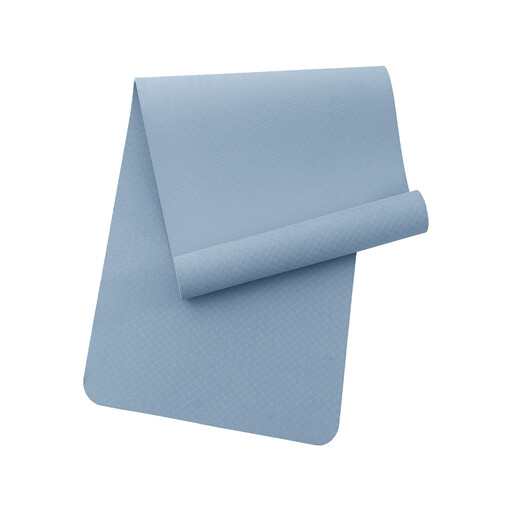
Why it suits this profile: The 6 mm version combines a standard size with a practical thickness for yoga, Pilates, stretching and home workouts.
The product description clearly states the dimensions, thickness and two-sided texture, so you do not have to rely solely on a general non-slip claim.
183 x 61 cm, TPE material, carry strap and cleaning with a damp cloth according to the product information.

Why it suits this profile: This mat is aimed at shoppers who prefer a multi-layer construction and a cork surface to a fully synthetic top layer.
The product information lists the cork, TPE and polyester layers separately. This makes the construction easy to verify and clearly shows what you are buying.
Cork on the top, TPE with a wave pattern underneath, 6 mm thickness and a weight of 750 grams.

Why it suits this profile: The extra thickness is designed for users who prefer a softer surface during Pilates, gymnastics and workouts.
The 10 mm thickness is stated explicitly. This lets you weigh up the extra cushioning against your desired level of stability, rather than relying on the word “comfort” alone.
10 mm TPE, dimensions of 183 x 61 cm, carry strap and a textured grip surface according to the product description.

Why it suits this profile: The combination of cork and TPE is designed for yoga, hot yoga and fitness where perspiration and regular cleaning are important considerations.
The product details state a specific thickness of 5 mm, a cork top layer and a TPE underside. This avoids confusion about the materials used.
Approximately 61 x 183 cm, 5 mm thick, natural cork on top and cleaning with a damp cloth.
We have compiled a complete, up-to-date list of products that fully meet these strict selection criteria and the applicable European safety regulations.
For many users, 6 mm is a practical choice because it combines cushioning and stability. If you mainly do floor exercises or prefer a softer surface, you may want to consider a 10 mm yoga mat. A thinner mat may feel more direct during balancing poses.
Wipe the mat down with a damp cloth or sponge after use and allow it to air-dry completely. Do not use harsh cleaning products. Always check the product instructions: some models must not be machine-washed and may be damaged by prolonged exposure to sunlight or heat.
Its lifespan depends on how often it is used, the flooring, the level of strain and how well it is maintained. Roll the mat up without creating sharp folds, store it somewhere dry and regularly check for tears, separating layers or reduced grip. If there are visible signs of wear, replacing the mat is safer than continuing to use it during intensive exercises.
