
Vandaag of morgen in huis

Kwaliteit gegarandeerd

Welkomstaanbiedingen ontgrendelen: GRATIS bezorging | Tot 80% korting | Gratis 30 dagen JoyPlus-proefperiode
Download de app
Whether you're just starting your yoga journey or looking for a mat for your weekly Pilates session, the right surface is essential. A good yoga mat not only provides comfort but also the stability and grip you need for a safe and effective workout. But with so many choices in material, thickness, and texture, it can be challenging to determine which mat is right for you.
This guide is designed to help. We'll cut through the marketing jargon and focus on the specifications that truly matter. This way, you can make an informed choice for a yoga mat, fitness mat, or Pilates mat that fits your needs and budget.
Before you make a decision, it's helpful to consider a few key features. These will determine how the mat performs during your exercises.
The material of an exercise mat has the biggest impact on grip, durability, and comfort.
The thickness of a mat is measured in millimeters (mm) and determines the level of comfort and stability.
A non-slip yoga mat is crucial for safety. The grip is determined by both the material and the texture on the surface. A mat with a textured pattern often provides extra traction. Also, look for handy extras, like a yoga mat with a carrying strap. This makes transporting and storing your mat much easier.
Based on the criteria above, we've selected a few options that cater to different needs and preferences.
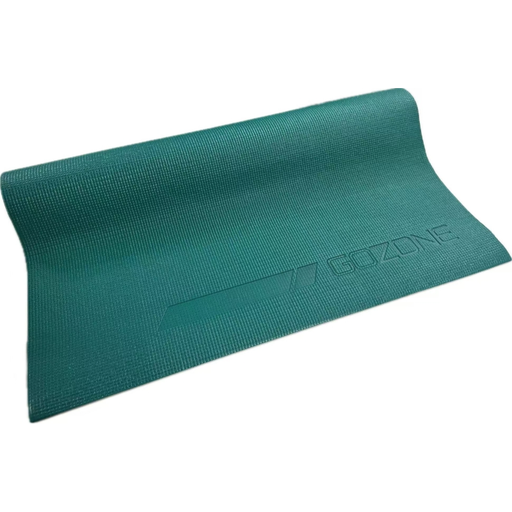
Why It Stands Out: This is a functional and affordable mat that gets the job done. The durable PVC material and textured surface provide the necessary stability for various yoga and fitness exercises. With a thickness of 3 mm, it's lightweight and easy to roll up.
Pros:
Who It's For: Ideal for beginners looking for a reliable starter mat for yoga, Pilates, or light fitness exercises at home or at the gym.

Why It Stands Out: This cork yoga mat combines a natural cork surface with a TPE base for a great balance of grip and cushioning. According to the manufacturer, the cork absorbs moisture, improving grip as you sweat more. The intermediate layer of polyester mesh is designed for added durability.
Pros:
Who It's For: For the yoga practitioner seeking a mat with excellent grip, especially during sweaty sessions like hot yoga. Also a great choice for those who prefer more natural materials.
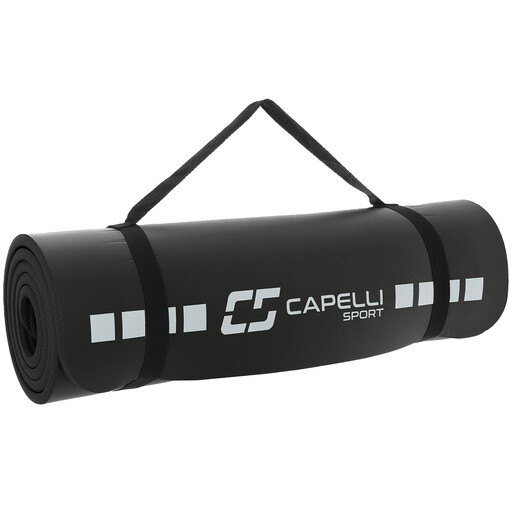
Why It Stands Out: With a thickness of 1.2 cm, this is a true fitness mat focused on maximum comfort. The NBR foam provides excellent shock absorption, protecting your joints during floor exercises. The included carrying strap makes it easy to take with you.
Pros:
Who It's For: Perfect as a Pilates mat or general exercise mat. An excellent choice for anyone needing extra cushioning for their back, knees, and other joints during floor exercises.
Is your ideal mat not listed here? Everyone has different preferences when it comes to the perfect surface for exercise and relaxation. For more options in various materials, thicknesses, and colors, you can browse our wider selection.
Explore More Yoga and Exercise Mats Here
The main difference is usually in the thickness and material. A yoga mat is often thinner (3-6 mm) and designed for grip and stability in standing and balancing poses. A fitness mat or exercise mat is typically thicker (10 mm or more) and made from materials like NBR foam to provide maximum cushioning during high-impact exercises or Pilates.
For most PVC and NBR mats, a damp cloth with a mild soap solution will suffice. Wipe the mat clean and let it air dry completely before rolling it up. A cork yoga mat has natural antimicrobial properties; a damp cloth is often enough. Avoid harsh cleaning agents and direct sunlight, as this can damage the material.
