
Vandaag of morgen in huis

Kwaliteit gegarandeerd

Welkomstaanbiedingen ontgrendelen: GRATIS bezorging | Tot 80% korting | Gratis 30 dagen JoyPlus-proefperiode
Download de app
A good yoga mat is the foundation of your practice. A mat that slips can disrupt your flow, while one that's too thin can be painful for your knees and wrists. With so many choices in material, thickness, and texture, it can be difficult to determine which mat is right for you.
As a Joybuy Product Recommendation Officer, I'm here to guide you. In this article, we'll look at the most important specifications and highlight some popular choices to help you make an informed decision.
Before we look at the products, it's helpful to understand three key features. These largely determine the comfort, safety, and durability of your mat.
The material affects the grip, weight, and lifespan of your mat. The most common materials are:
The thickness of a mat is a trade-off between cushioning and contact with the ground.
A good non-slip yoga mat is essential to prevent slipping. The grip is determined by the material and the texture of the surface. A mat with a tactile pattern often provides more traction than a completely smooth one. As mentioned earlier, materials like cork naturally offer excellent grip that even increases with moisture.
Based on the criteria above, we've listed some interesting options for you.

Why It Stands Out This mat from ochama is a versatile all-rounder. It's made from TPE material and has a thickness that offers a good balance between comfort and stability. What sets it apart is its extra width, which gives you more room to move during your exercises.
Pros
Who Is It For? For both beginners and more experienced practitioners of yoga and Pilates who are looking for a reliable and slightly more spacious mat for home or studio use.
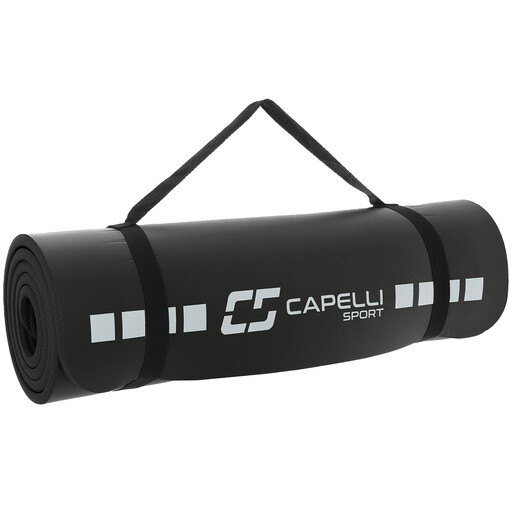
Why It Stands Out This fitness mat from Capelli Sport focuses entirely on cushioning. With a thickness of 1.2 cm, it offers significantly more comfort than a standard yoga mat, making it ideal for floor exercises.
Pros
Who Is It For? Perfect for those looking for a thick exercise mat for Pilates, core training, stretching, or physical therapy. Also a great choice for people with sensitive joints who need extra support.

Why It Stands Out This mat combines the best of two worlds: an eco-friendly cork top layer with a stable TPE base. The natural grip of cork, which improves with perspiration, makes this an excellent eco-friendly yoga mat for an active practice.
Pros
Who Is It For? Ideal for practitioners of hot yoga, power yoga, vinyasa, and anyone who sweats a lot during their workout. Also a great choice for those consciously seeking a sustainable product.
Still haven't found your ideal match? No worries. We have a wider range of mats for various purposes. Whether you're looking for a mat for gymnastics, Pilates, or general fitness, more options are available.
View our full collection of gymnastics mats for more choices.
A yoga mat is typically thinner and focuses on grip and stability to perform poses safely and securely. A fitness mat or exercise mat is often thicker and softer, with a focus on cushioning and comfort during floor exercises like sit-ups or planks.
For most TPE and NBR mats, wiping them down with a damp cloth and a mild soap solution after use is sufficient. Let the mat air-dry completely before rolling it up. A cork mat can be cleaned the same way, but ensure it is thoroughly dry to preserve its natural properties. Avoid harsh cleaning agents.
For hot yoga, a mat with excellent grip in wet conditions is crucial. An eco-friendly yoga mat made of cork is a popular choice for this, as its grip improves the more you sweat. A TPE mat with a good texture can also work, possibly in combination with a special yoga towel for extra absorption and grip.
