
Vandaag of morgen in huis

Kwaliteit gegarandeerd

Welkomstaanbiedingen ontgrendelen: GRATIS bezorging | Tot 80% korting | Gratis 30 dagen JoyPlus-proefperiode
Download de app
Buying a yoga mat seems simple, until you're faced with the vast array of materials, thicknesses, and sizes. The right mat can be the difference between a comfortable, stable practice and constantly slipping or feeling pressure on your knees. The goal of this guide isn't to overwhelm you with marketing jargon, but to provide clear, practical information. This way, you can make an informed decision on a yoga mat that suits your body and your type of training, whether for yoga, Pilates, or a general fitness routine.
Before we look at the products, here are a few key points to consider. These specifications will help you determine what you really need.
The material largely determines your mat's grip, weight, and durability.
The thickness of a mat affects comfort and balance.
Also, pay attention to the dimensions. A standard mat is approximately 183 x 61 cm. If you are taller or simply want more room to move, consider a large yoga mat that is wider or longer.
A non-slip yoga mat is essential for safety. A good grip prevents your hands and feet from slipping in poses like the Downward-Facing Dog. The surface texture plays a major role in this. A mat with a tangible pattern often provides more mechanical grip. As mentioned earlier, materials like cork perform better when damp, while TPE and PVC perform best when dry. Think about how and where you will use the mat; is it a sports mat for a sweaty HIIT workout or a fitness mat for gentle stretches?
Below is a selection of yoga mats with different features, so you can find a model that meets your needs.
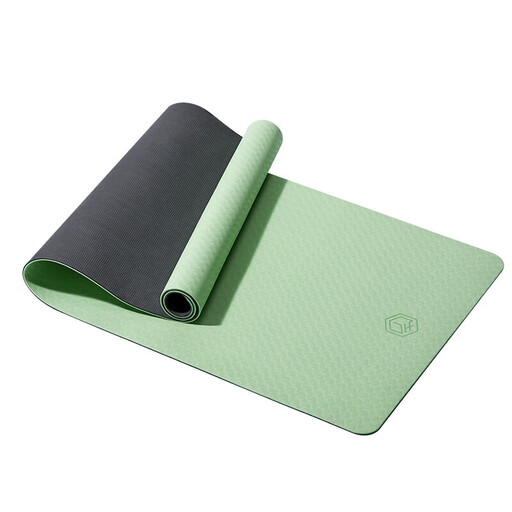
Why it stands out: This mat combines a slightly larger size with the benefits of TPE material. The extra width (66 cm) and thickness provide more comfort and space during your exercises.
Pros:
Who is it for? For the all-around athlete looking for a comfortable and slightly more spacious mat for both yoga and general fitness exercises. A great start for beginners who value comfort.

Why it stands out: This is a no-nonsense, lightweight, and thin mat. Its simplicity makes it practical for those who need a basic surface for stretches or light exercises.
Pros:
Who is it for? For the athlete looking for a light, easily transportable mat for simple floor exercises or for travel. Less suitable if you need a lot of cushioning.

Why it stands out: This large yoga mat offers an abundance of space. With dimensions of 190 x 100 cm, you won't have to worry about ending up off your mat during wide stances or dynamic movements.
Pros:
Who is it for? Ideal for taller people, or for anyone who wants maximum freedom of movement during yoga, Pilates, or home workouts. Also very suitable as a general fitness mat.

Why it stands out: This cork yoga mat combines natural materials with high performance. The cork top layer offers a unique grip that improves as you sweat, while the TPE base provides cushioning.
Pros:
Who is it for? For the yogi looking for a mat with natural materials and superior grip during sweaty sessions. A great choice for practitioners of Vinyasa, Ashtanga, or hot yoga.
Is your perfect match not here? No worries. There are more materials, thicknesses, and styles that might better suit your specific needs. For a broader overview of mats for various activities, you can browse our full collection.
Although the terms are often used interchangeably, there is a functional difference. A yoga mat is typically thinner (3-6 mm) and focuses on grip and stability for holding poses. A fitness mat or sports mat is often thicker (10 mm or more) and designed to provide cushioning for high-impact exercises like jumping or for comfort during sit-ups and planks.
For a TPE yoga mat, a damp cloth with a mild soap solution or a special mat cleaner is sufficient. Afterwards, wipe it clean with a cloth with just water and let it air-dry. A cork yoga mat is naturally antimicrobial. After use, it's best to wipe it down with a damp cloth and let it dry flat or rolled up in a well-ventilated area. Avoid harsh cleaning agents.
For a beginner's yoga mat, a thickness of 4 to 6 mm is often a great choice. This provides a nice balance: enough cushioning to be comfortable for knees and wrists in various poses, but not so thick that it compromises your stability in balancing poses.
