
Vandaag of morgen in huis

Kwaliteit gegarandeerd

Welkomstaanbiedingen ontgrendelen: GRATIS bezorging | Tot 80% korting | Gratis 30 dagen JoyPlus-proefperiode
Download de app
A quality yoga mat is the foundation for almost any floor-based exercise. Whether you're finding your balance in a yoga pose, training your core with Pilates, or doing an intense fitness workout, the right surface makes all the difference. But with so many choices in material, thickness, and texture, it can be challenging to find the mat that's right for you.
This guide is designed to help. We'll explore the key features of different mats, so you can make a choice that aligns with your training style and preferences.
Before we dive into specific products, here are a few key considerations to help you choose the right exercise mat.
The material largely determines your mat's grip, comfort, and durability.
A mat's thickness is usually measured in millimetres (mm) and directly impacts your workout.
A non-slip yoga mat is essential for safety. Pay attention to the surface texture. A mat with a textured pattern often provides more grip than a completely smooth one. If you plan to take your mat to the gym or on your travels, a yoga mat with a carrying strap is a practical addition.
Based on the criteria above, we've selected some popular mats with different features.
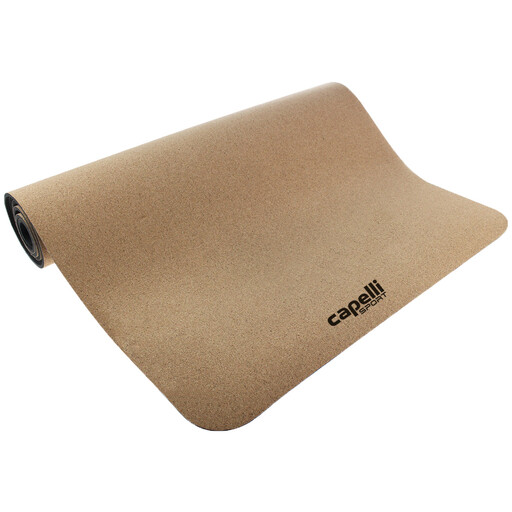
Why it stands out: This mat combines a natural cork top layer with a TPE base. This combination creates a unique user experience: the natural grip of cork, which improves with perspiration, and the cushioning stability of TPE.
Key Features:
Best for: The eco-conscious user and anyone with an intense or hot yoga practice. If you find yourself slipping on other mats due to sweat, this could be an excellent solution.
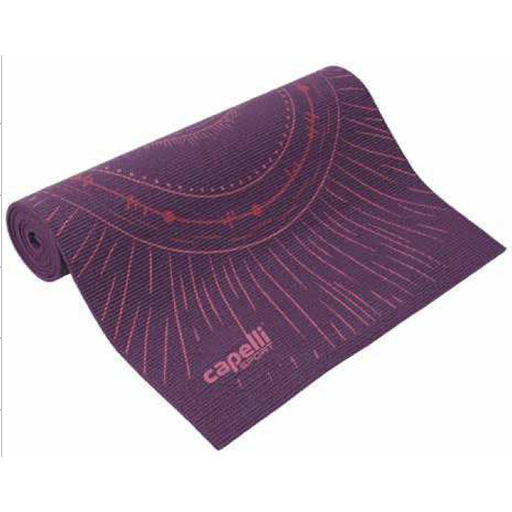
Why it stands out: This mat is a practical all-rounder with a focus on durability and style. The PVC material is wear-resistant, and the textured surface provides reliable stability for a variety of exercises.
Key Features:
Best for: The all-around athlete looking for a single mat for various workouts, from yoga to core exercises. It's also a great choice as a yoga mat for beginners who want a reliable, low-maintenance mat.
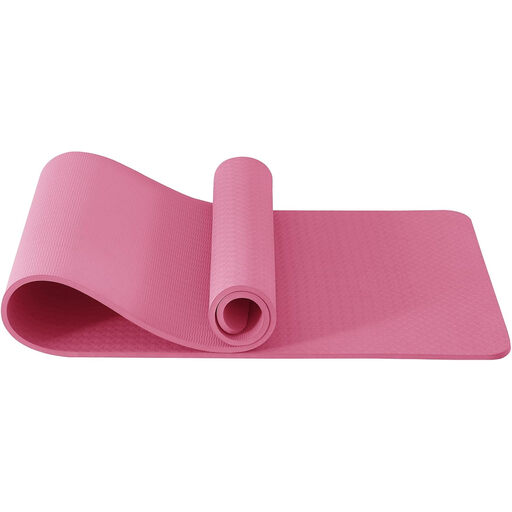
Why it stands out: With a thickness of 10 mm, this mat's primary focus is comfort. The high-density TPE material offers maximum cushioning, which is easy on the joints during floor exercises.
Key Features:
Best for: Ideal for users seeking extra comfort, for instance, those with sensitive knees or back pain. It's highly suitable as a Pilates mat, for stretching, and for slower-paced yoga styles that involve a lot of sitting or lying down.
These recommendations are a starting point. You might be looking for a different colour, an ultra-light travel mat, or a specific material not mentioned here. Everyone has different needs for their ideal exercise mat.
Explore our full range of exercise mats and find the perfect match for your workout.
Although the terms are often used interchangeably, there is a functional difference. A yoga mat is typically thinner and focuses on grip and stability to prevent slipping during poses. A fitness mat is often thicker and designed to absorb shock during high-impact exercises. They are also frequently made of material that is more resistant to wear from athletic shoes.
For most mats (TPE and PVC), wiping them down with a damp cloth and a mild soap solution after use is sufficient. Rinse off any soap residue thoroughly and let the mat air dry completely before rolling it up. Avoid harsh cleaning agents. For a cork mat, a damp cloth is usually enough. Always check the manufacturer's care instructions.
This depends on your personal preference and the type of workout.
