
Vandaag of morgen in huis

Kwaliteit gegarandeerd

Welkomstaanbiedingen ontgrendelen: GRATIS bezorging | Tot 80% korting | Gratis 30 dagen JoyPlus-proefperiode
Download de app
A yoga mat may seem simple to choose, but small differences in material, thickness and surface determine how comfortable and stable your workout feels. A cheap mat may quickly slide around, provide too little cushioning or become difficult to clean after just a few weeks. Terms such as “non-slip” and “eco-friendly” are only meaningful when you check the underlying specifications.
These considerations will help you choose a yoga mat suited to how you plan to use it: at home, in the gym, on the go, or for exercises such as Pilates and stretching.
A textured surface or rubber backing can improve grip, but no mat prevents slipping in every situation. Sweat, dust, a smooth floor and incorrect positioning can all affect stability. So do not just check whether “non-slip” appears in the title. Also look at:
According to the Miss Lulu mat’s product information, the cork top layer absorbs moisture to support grip on a damp surface. This is a product specification, not a guarantee that the mat will never move.
A 6 mm yoga mat generally provides more cushioning than a 3 mm model. This can be comfortable for kneeling exercises, Pilates or floor exercises, but a thicker mat may also be heavier and less compact. For standing yoga poses, some users prefer a firmer, thinner surface that provides more direct contact with the floor.
Pay particular attention to the combination of thickness, material and dimensions. A 3 mm mat may be suitable for transport and fitness, while a 6 mm fitness mat offers greater comfort during longer workouts.
Marketing terms are only useful when the material construction is clear. Look at the full list of materials, care instructions and construction. According to the product description, the Miss Lulu Good Nite mat consists of a cork top layer, a TPE underside with a wave pattern and a polyester mesh middle layer. This construction provides more information than a general environmental claim alone.
Also check whether any certifications or environmental standards are actually mentioned. Without such information, you cannot determine a specific environmental performance for yourself.
A PVC yoga mat is often easy to wipe clean and is used for yoga, Pilates and fitness. A textured surface can help improve grip. However, PVC mats vary in softness, odour and texture, so also check the care instructions.
A cork yoga mat has a natural top layer. According to the Miss Lulu mat’s product information, moisture absorption is listed as a function of the cork surface. The TPE underside is designed to help keep the mat in place and can be cleaned with a damp cloth.
A mat with TPE or another rubber-like underside can feel resilient. A training mat is not the right choice for a bathroom: there, moisture absorption, size and a rubber non-slip base are more important than cushioning.
The standard dimensions of many models are around 180 cm long and 60 cm wide. Check that your whole body fits on the mat during lying-down exercises. The Miss Lulu mat measures 183 × 61 cm and is 6 mm thick.
A 3 mm mat is generally easy to take to the gym or studio. The Capelli Sport mat measures 68 × 24 inches and has a textured PVC surface. A 6 mm model such as the 6MM Print Yoga Mat is more suitable when extra support for your knees, hips or elbows is important.
A mat will remain usable for longer if you allow it to dry after use before rolling it up. Do not use harsh cleaning products if the product information recommends only mild soap and water. Pay attention to the following points:
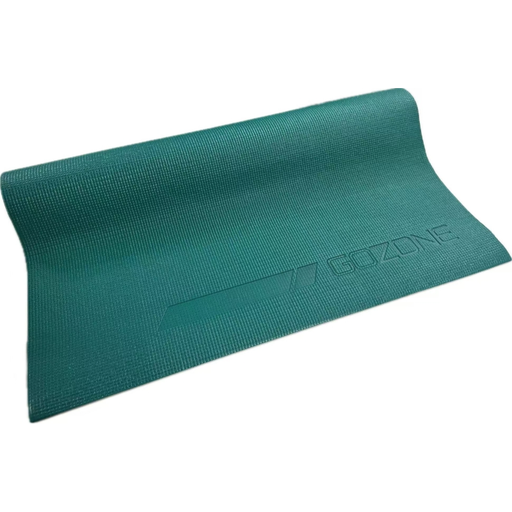
Why it suits this profile: This 3 mm PVC mat is suitable for beginners who want to combine yoga, Pilates or light fitness at home and in the gym.
The product description specifically mentions a textured surface, PVC material and care with mild soap and water, rather than making only a general non-slip claim.
PVC surface; 3 mm thick; suitable for yoga, Pilates and fitness; easy to wipe clean.

Why it suits this profile: This mat is aimed at users looking for a multi-layer construction, moisture-absorbing cork and extra cushioning in one yoga mat for home use.
The material construction is specified as cork, TPE and polyester mesh. This lets you check the construction instead of relying solely on a marketing label.
183 × 61 cm; 6 mm thick; 750 g; cork top layer; TPE underside with wave pattern.
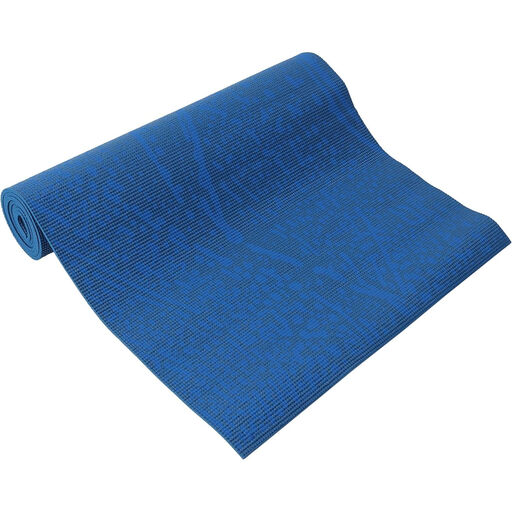
Why it suits this profile: This 6 mm PVC mat is designed for users who regularly do yoga, Pilates, stretching and floor exercises and want greater support.
The thickness, dimensions and PVC material are clearly stated. This means you can assess in advance whether the mat provides enough space and cushioning.
6 mm thick; 72 × 24 inches; suitable for yoga, Pilates, stretching and fitness; rolls up for storage.
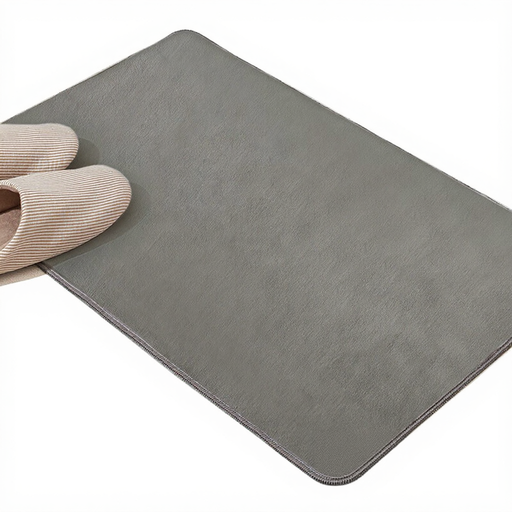
Why it suits this profile: For the bathroom, an absorbent non-slip mat is more suitable than a training mat. This model is designed for the floor beside a shower, bath or washbasin.
The description clearly states that the top is made from 100% polyester and that the underside is rubber. The mat reduces the risk of slipping, but does not guarantee complete safety on a wet floor.
50 × 80 cm; absorbent polyester; rubber non-slip base; machine washable on a gentle cycle with cold water.
We have put together a complete, up-to-date list of products that fully meet these strict selection criteria and the applicable European safety requirements.
For general yoga, 3 to 6 mm is a practical range. A 3 mm yoga mat is lightweight and easy to carry. A 6 mm yoga mat provides more cushioning for Pilates, stretching and exercises performed on your knees or back. However, remember that grip and stability are not determined by thickness alone.
Always follow the manufacturer’s care advice. For many PVC and TPE mats, a soft, damp cloth with mild soap is sufficient. Allow the mat to dry completely before rolling it up. According to the product information, a cork model can be cleaned with a damp cloth and should be stored somewhere dry and well ventilated.
Its lifespan depends on how often you train, your body weight, the surface it is used on, cleaning and storage. Regularly check for cracks, layers coming away and reduced grip. With a bathroom mat, you should also inspect the rubber underside. If it starts to come away or becomes smooth, replacing the mat is the safer option, as a non-slip function cannot guarantee complete safety on wet floors.
