
Vandaag of morgen in huis

Kwaliteit gegarandeerd

Welkomstaanbiedingen ontgrendelen: GRATIS bezorging | Tot 80% korting | Gratis 30 dagen JoyPlus-proefperiode
Download de app
A yoga mat seems simple enough: roll it out and get started. But choosing the wrong one can quickly leave you slipping on the floor, without enough cushioning, or struggling to store your mat. When shopping online, product titles can sound promising, while important details such as materials, dimensions and care instructions are less clearly stated.
Look out for these three common pitfalls:
Read on to find out which features to check before you buy and which mat suits the way you exercise.
The material affects how the mat feels, how much it weighs and how easy it is to clean.
As well as the top layer, pay attention to the underside. A wave or ribbed texture can improve grip on a smooth floor, but the surface beneath the mat should be flat and clean.
Thickness is usually given in millimetres or centimetres. A 3 mm yoga mat is relatively thin and lightweight. It’s handy for yoga, stretching and transport, but offers less cushioning for exercises on your knees, hips or elbows.
A 6 mm yoga mat provides more comfort for Pilates, abdominal exercises and general fitness. The mat is usually still easy to carry, especially if it comes with a carrying strap.
Mats measuring 1.2 cm are also available for extra cushioning. They’re worth considering as a fitness mat for home or an exercise mat for floor workouts. For standing poses, a soft mat like this may feel less stable underfoot. So don’t choose based on thickness alone: think about the exercises you’ll be doing.
A common size is around 183 × 61 cm. It suits most yoga poses and is easy to take to a studio or gym.
If you’re taller or need more room, consider an extra-large yoga mat, such as one measuring 190 × 80 cm or 190 × 100 cm. The extra width is useful for dynamic movements, Pilates and workouts where you spread your arms and legs further apart.
Also check:
For a permanent workout space, fitness puzzle mats and gym floor mats are another option. These separate tiles cover a larger area and are suitable for a home gym or for placing under fitness equipment. They’re less convenient to carry around every day.
The selection below is based on verifiable details such as material, dimensions, thickness, portability and stated care instructions. Features such as grip and comfort still depend on the floor, the exercise and your personal preference.
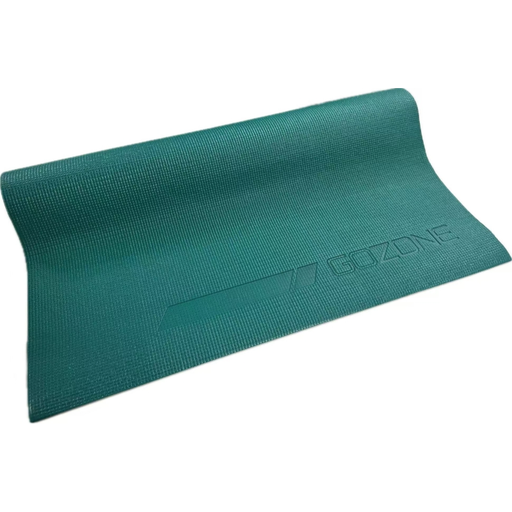
Why it suits this profile: This 3 mm PVC mat is suitable for beginners who want to combine yoga, Pilates and light fitness at home or at the gym. It measures 68 × 24 inches, or approximately 173 × 61 cm.
The product description mentions a textured surface and a cushioning structure. This gives you an idea of the grip and thickness to expect, rather than relying on the word “non-slip” alone.
PVC, textured surface, suitable for yoga and Pilates, and can be cleaned with a damp cloth.

Why it suits this profile: This cork yoga mat measures 183 × 61 cm and is 6 mm thick. The combination of cork, TPE and a polyester mesh layer is well suited to people who care about materials and maintenance.
The underside is made of TPE and has a wave pattern. The product description also states that the cork surface can absorb moisture. This is a product specification, not a guarantee of grip on every floor.
6 mm thick, cork top layer, TPE underside and weighs 750 grams.
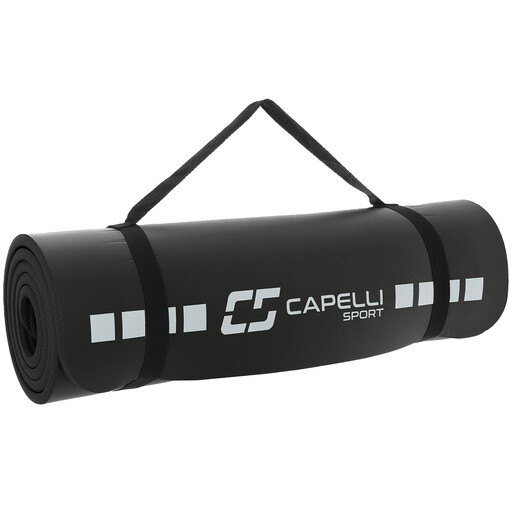
Why it suits this profile: This NBR foam exercise mat is 1.2 cm thick and designed for fitness and gym exercises where extra cushioning is welcome. The included carrying strap makes it easier to transport.
The thickness and material are clearly stated. So you can see in advance that this is more of a soft fitness mat than a thin mat for stable balance poses.
NBR foam, 1.2 cm thick, textured for extra traction and an elastic carrying strap.
We’ve put together a complete, up-to-date list of products that meet these strict selection criteria and the applicable European safety regulations.
A yoga mat will generally last longer if you use and store it correctly. Before each session, check for any visible tears, loose parts or deformation. Use the mat on a flat, clean and stable surface and follow the product’s care instructions.
Practical tips:
For classic yoga and balance poses, 3 to 5 mm is often a practical middle ground. For Pilates, stretching and exercises on your back or knees, 6 mm or more may feel more comfortable. A 1.2 cm mat offers more cushioning, but feels softer and less stable.
Place the mat on a dry, flat floor and clean both the floor and the underside of the mat. Check whether the underside has a texture. No non-slip yoga mat performs the same way on tiles, laminate, carpet or a smooth gym floor.
It depends on the material, how often you use it, your body weight, the surface beneath it and how well you care for it. Replace the mat if the surface becomes permanently smooth, the texture starts to come away or cracks appear. Clear information about the material and using the mat as intended can help prevent unnecessary wear.
