
Vandaag of morgen in huis

Kwaliteit gegarandeerd

Welkomstaanbiedingen ontgrendelen: GRATIS bezorging | Tot 80% korting | Gratis 30 dagen JoyPlus-proefperiode
Download de app
A yoga mat may seem simple at first glance: choose a colour, check the price and place your order. However, small differences in material, thickness, grip and size can determine whether you continue to enjoy using it. A cheap mat that shifts, becomes damaged quickly or does not provide enough space may ultimately prove to be an impractical purchase.
The most common pitfalls:
The right thickness depends on your exercises and personal preferences.
A 6 mm yoga mat is often a sensible starting point for versatile use. For intensive floor exercises, sit-ups or Pilates, a thicker exercise mat may be more practical. For precise balance poses, a thinner model may feel more comfortable.
TPE is flexible and lightweight. According to the product information, the TPE mats mentioned have a textured structure on the top and underside for grip. This makes TPE an interesting option for a non-slip yoga mat that you want to take with you regularly.
PVC is also widely used. PVC mats often have a textured surface and can easily be wiped clean with a damp cloth. Check whether the mat needs to air after unpacking and always follow the manufacturer’s care instructions.
NBR foam is softer and thicker. This may suit fitness, abdominal exercises and other workouts where you spend a lot of time lying on your back or resting on your knees or elbows. The material may be less suitable if you are looking for very direct, firm contact with the floor.
For virtually all the models mentioned, the advice is the same: wipe with a damp cloth, allow to dry completely and do not put the mat in the washing machine without checking first. Avoid harsh cleaning products and prolonged exposure to direct sunlight.
A standard size of approximately 183 x 61 cm provides space for most yoga and Pilates exercises. If you are taller, move a lot from side to side or want more personal space, look for an extra-wide yoga mat. The Miss Lulu Good Nite measures 190 x 80 cm.
When you are on the move, two features are particularly important:
Also check the weight. According to the product information, the Narwhal mat weighs approximately 0,7 to 0,8 kg. This is relevant if you cycle or use public transport to get to the studio every day.
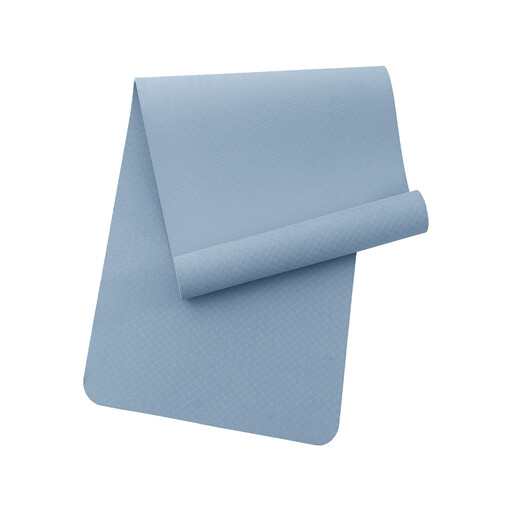
Why it suits this profile: The 6 mm thickness is suitable for anyone who wants to combine yoga, Pilates and home workouts without immediately choosing an extra-thick mat.
The product description mentions a dual-sided structure with lines on top and a wave pattern underneath, so you do not have to rely on appearance alone.
183 x 61 cm, TPE material, a choice of 6 mm and 10 mm, plus an included carry strap.
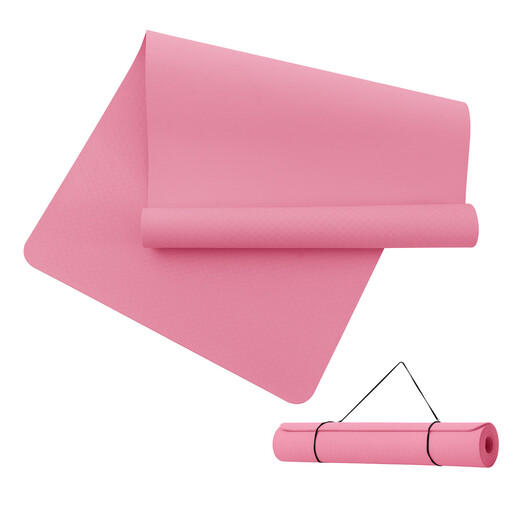
Why it suits this profile: Measuring 190 x 80 cm, this model offers more room to move during yoga, Pilates and floor exercises.
The extra width reduces the chance of stepping off the mat during larger movements; however, check beforehand that your floor has enough space.
190 x 80 x 0,6 cm, dual-sided texture and a carry strap.
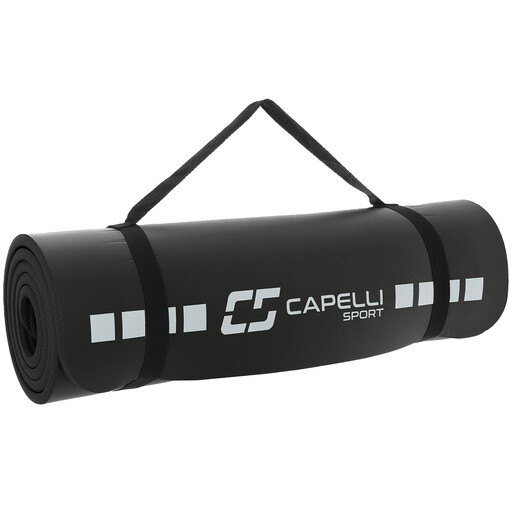
Why it suits this profile: The thicker NBR foam is suitable for fitness, gymnastics and floor exercises where extra cushioning is preferred.
The specifications state both the thickness and the material, allowing you to compare the cushioning more precisely than with a marketing term alone.
NBR foam, 1,2 cm thickness, textured surface for grip and a carry strap.
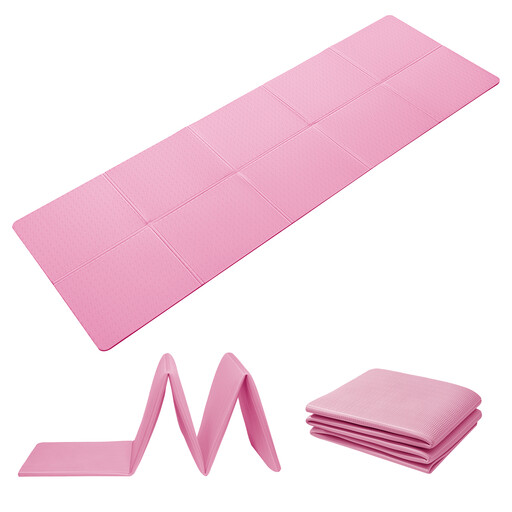
Why it suits this profile: The folding design is practical for travelling, commuting, studio classes or storage in a smaller home.
According to the product information, the folded mat measures 37 x 30 x 6 cm. This makes its packed shape clearer than that of a standard rolled mat.
6 mm thick, TPE material, dual-sided structure and compact foldable design.
We have put together a complete, up-to-date list of products that fully meet these strict selection criteria and the applicable European safety regulations.
For many users, a 6 mm yoga mat offers a useful balance of cushioning and stability. It is thicker than a 3 mm model, but generally less soft than a 10 mm model. Most importantly, check that the surface provides sufficient grip for your exercises and floor.
Wipe the mat after use with a damp cloth or sponge. Only use mild soap if the product instructions allow it. Allow the mat to air-dry completely before rolling or folding it. Machine washing and harsh cleaners are not recommended for the models mentioned.
Its lifespan depends on how often it is used, your body weight, the type of exercises, footwear and storage conditions. A mat may wear out faster when exposed to sharp objects, rough floors, nails or prolonged sunlight and heat. Regularly check whether the surface is cracking, crumbling or becoming less stable underfoot.
The terms are often used interchangeably. A home fitness mat is usually designed for a range of exercises, while a Pilates mat often places greater emphasis on comfort during lying-down and controlled movements. Do not look at the name alone: compare the thickness, dimensions, material and grip.
