
Vandaag of morgen in huis

Kwaliteit gegarandeerd

Welkomstaanbiedingen ontgrendelen: GRATIS bezorging | Tot 80% korting | Gratis 30 dagen JoyPlus-proefperiode
Download de app
A yoga mat seems simple: roll it out and get started. Yet many people in the Netherlands buy a mat that disappoints after a short time. The grip wears away, the edges curl up or the cushioning doesn’t suit the exercises. If you only look at the colour or a low price, you can easily miss the features that make a difference to everyday use.
This buying guide helps you choose a yoga mat, fitness mat or exercise mat based on verifiable features. The product choices below are matched to specifications such as dimensions, thickness, material, portability and care.
“Non-slip” doesn’t tell you much on its own. Check the texture of both the top and the underside, too. A textured surface can provide extra grip, while a ridged underside can help keep the mat in place on a smooth floor. The flooring matters as well: use your mat on a flat, stable surface and check that it doesn’t move during exercise.
A mat that’s around 3 mm thick gives you a more stable connection with the floor and is often easy to carry. A thicker fitness mat may feel more comfortable for your knees and back, and for floor exercises. However, a very soft mat may be less suitable for balancing poses or exercises where you need a firm base to push off from.
PVC, NBR foam and PE foam each have different properties. PVC is generally easy to wipe clean and can have a clearly defined surface texture. NBR foam offers more cushioning thanks to its greater thickness. PE foam puzzle tiles are particularly practical if you want to create a larger workout area.
Check the cleaning instructions, too. Many mats should only be cleaned with a damp cloth and mild soap. Machine washing, harsh cleaning products and prolonged exposure to direct sunlight can damage the material.
The right thickness depends on how you plan to use your mat:
Bear in mind that a thick fitness mat takes up more space when rolled up. So check how much storage space you have at home and whether a carry strap is included.
A mat around 61 cm wide is suitable for most standard exercises. If you’re tall or do lots of exercises lying down, you may benefit from a longer mat. A carry strap and low weight are useful features if you’ll be taking your mat to the gym or yoga studio.
A yoga mat with a carry strap is usually quicker to pack away and take with you than a mat that requires you to buy a strap separately. A foldable gym mat is handy if you’re short on storage space, but check the folds and how well the mat lies flat during use.
Check whether the product description distinguishes between the grip on the top and the underside. A reversible mat, for example, may have a grippier side for balance work and a softer side for stretching.
A standard yoga mat may not be enough for strength training with weights or fitness equipment. Gym floor tiles or a gym puzzle mat are more practical options. They can cover a larger area and are often assembled piece by piece. Check that the tiles interlock securely and that the floor underneath is flat.
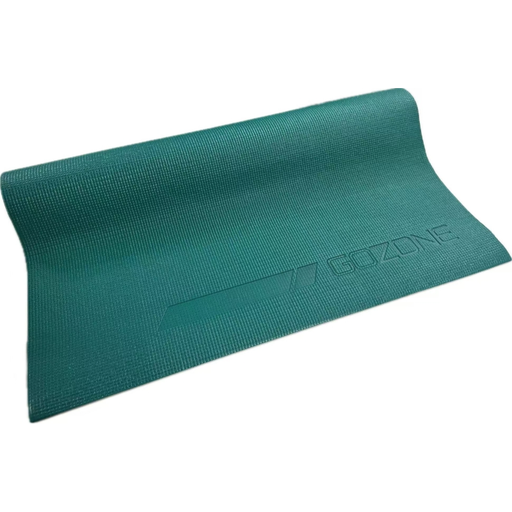
Why it suits this profile: This PVC yoga mat is a straightforward choice for yoga, Pilates, stretching and floor exercises at home or at the gym.
The specifications list a textured surface, a thickness of 3 mm and PVC that can be cleaned with a cloth or mild soap.
68 × 24 inches, embossed surface and suitable for yoga, Pilates and fitness.
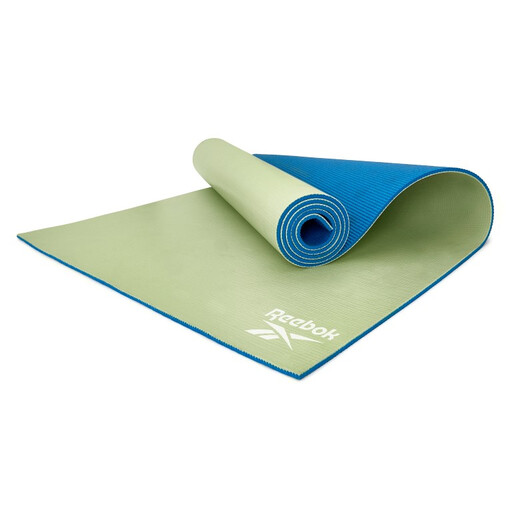
Why it suits this profile: The reversible design is ideal if you switch between balancing poses, stretching and gentle floor exercises.
The two usable sides let you adjust the grip and feel to suit each exercise; the water-resistant outer layer can be wiped clean with a damp cloth.
PVC, two different surfaces and a carry strap included.
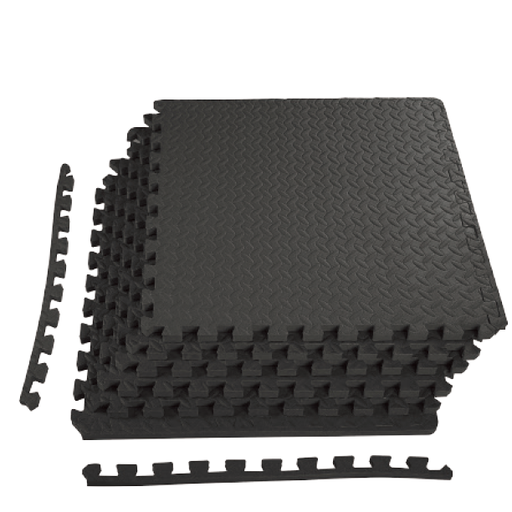
Why it suits this profile: A practical choice for a dedicated workout space, fitness equipment or a larger area for strength training at home.
The puzzle edges mean you don’t have to lay several small mats side by side; the tiles can be assembled and cleaned individually.
6 PE foam tiles measuring 60 × 60 cm, 1.2 cm thick, with interlocking puzzle edges.
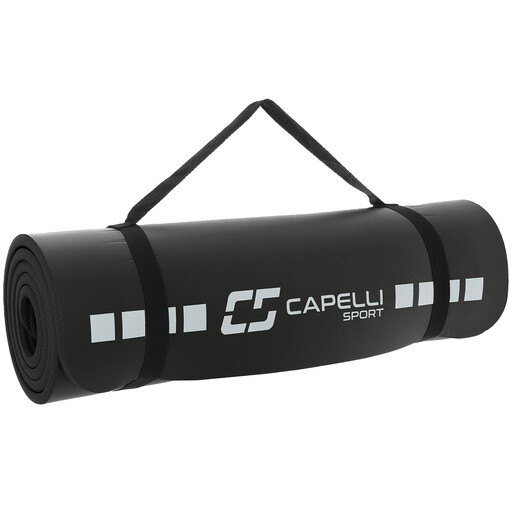
Why it suits this profile: This foam exercise mat is designed for Pilates, fitness and other floor exercises where extra thickness is useful.
The product information gives the exact thickness of 1.2 cm and describes the surface texture, rather than making only a general claim about comfort.
NBR foam, 183 × 61 cm, 1.2 cm thick and supplied with an elastic carry strap.
We’ve put together a complete, up-to-date list of products that meet these strict selection criteria and the applicable European safety regulations.
Only roll up your yoga mat when the surface is dry. Clean it according to the product instructions and don’t use harsh chemicals. Store the mat somewhere dry and out of direct sunlight. Before each workout, check for cracks, loose parts or damaged edges. With puzzle mats, make sure all the pieces fit together securely before you start.
A mat is exercise equipment, not a medical device. Use the product as intended and stop if you experience irritation or if the mat becomes damaged.
Wipe the mat with a damp cloth and, if needed, mild soap, unless the manufacturer gives different instructions. Let the mat air-dry completely before rolling it up. Reebok states that the models mentioned shouldn’t be machine washed.
Its lifespan depends on how often you use it, the floor surface, how it’s stored and how it’s cleaned. Daily, intensive use generally causes wear more quickly than occasional yoga sessions. Replace the mat when the surface becomes smooth, the texture starts to come away or the mat no longer stays stable on the floor.
A 3 to 7 mm PVC yoga mat is often enough for yoga and stretching. For Pilates and floor exercises, a 1.2 cm thick fitness mat can provide more cushioning. For weights or a dedicated workout space, gym floor tiles or a gym puzzle mat are more practical than a standalone yoga mat.
