
Vandaag of morgen in huis

Kwaliteit gegarandeerd

Welkomstaanbiedingen ontgrendelen: GRATIS bezorging | Tot 80% korting | Gratis 30 dagen JoyPlus-proefperiode
Download de app
Looking for a new yoga mat but feeling overwhelmed by the choices? One mat is thick, another is thin, and the next one promises the best grip. It can be tough to make the right choice. Whether you're looking for a yoga mat for home or for the gym, you want something functional and durable without breaking the bank.
This guide is here to help. We'll cut through the marketing jargon and focus on the features that truly matter: thickness, material, and grip. This way, you can make an informed decision and find the yoga mat or fitness mat that suits your workout.
Before buying a yoga mat, it's helpful to consider a few practical points. These will determine how comfortable and stable your workout will be.
The thickness of a mat directly impacts your balance and cushioning. There's no 'right' or 'wrong' thickness; it depends on your personal preference and the type of exercises you do.
The material determines the mat's grip, durability, and maintenance. A commonly used material is PVC. A PVC yoga mat is known for its long lifespan and the fact that it's easy to clean.
A good non-slip yoga mat is essential for safety and proper execution of your poses. Many mats have a raised pattern or texture on the surface. This isn't just for decoration; this texture significantly improves grip, so your hands and feet don't slip, even when you start to sweat.
Most standard yoga mats are about 173 cm long and 61 cm wide. This is sufficient for most people. If you're taller, a longer mat (e.g., 183 cm) might be more comfortable, so your hands or feet don't come off the mat during poses like downward-facing dog.
Also, pay attention to maintenance. An exercise mat that you can easily clean with a damp cloth and a mild soap solution will stay fresh and hygienic longer. PVC mats are often very practical in this regard.
Based on the criteria above, we've listed some functional options for you. These mats have been selected for their specifications and suitability for beginner to intermediate users.
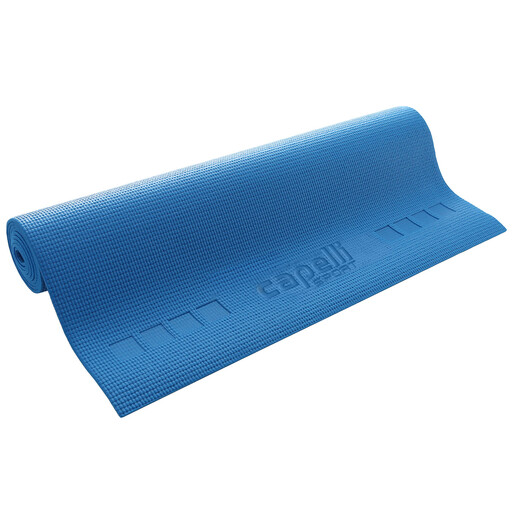
Why it stands out: This 4 mm thick mat is a true all-rounder. It strikes the perfect balance between stability for balancing poses and sufficient cushioning for comfort on the floor. The mat is made of durable PVC that, according to the manufacturer, is resistant to wear and tear.
Pros:
Who is it for?: Ideal for beginners and practitioners who want to use a single mat for various types of workouts, from yoga to core exercises. A reliable choice as a yoga mat for home.

Why it stands out: With a thickness of 6 mm, this mat focuses on comfort. The extra cushioning is easy on sensitive knees and wrists, especially during floor exercises. The mat is slightly longer than the standard size and features an all-over print for a stylish look.
Pros:
Who is it for?: Perfect for those looking for a pilates mat or who do a lot of floor exercises. It's also a great option for people who want extra comfort for their joints during their yoga or fitness routine.
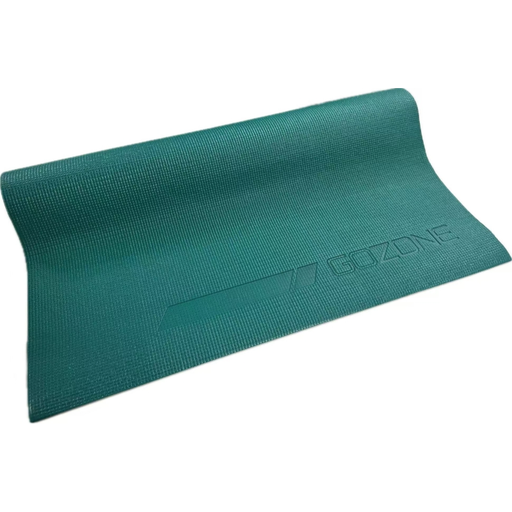
Why it stands out: This 3 mm thick mat is designed for those seeking maximum stability and connection to the ground. The thinner layer ensures you stand firm during balancing poses, like Tree Pose or Warrior III. It's lightweight, making it easy to roll up and take with you.
Pros:
Who is it for?: Especially suitable for yogis who focus on active styles with many standing poses and balance work. It's also a great choice if you're looking for a lightweight, no-frills exercise mat.
If these mats aren't quite right for you, or if you're curious about other thicknesses, materials, or colours, there are more options available that might better suit your specific needs. Check out our wider selection for more choices.
Although the terms are often used interchangeably, there is a slight difference. A yoga mat is typically thinner (3-6 mm) and focuses on grip to prevent slipping in poses. A fitness mat is often thicker (10 mm or more) and is designed to provide maximum cushioning for high-impact workouts or floor exercises like crunches. The recommended PVC mats are versatile and can be used for both purposes.
Maintaining a PVC yoga mat is simple. After your workout, you can wipe the mat with a damp cloth using a solution of water and a few drops of mild soap. Avoid harsh cleaning agents. Afterwards, wipe it down with a clean, damp cloth and let it air dry completely before rolling it up.
A non-slip yoga mat is very important for your safety and the quality of your workout. Good grip prevents your hands and feet from slipping, allowing you to hold your poses with more stability. This reduces the risk of injury and enables you to fully concentrate on the exercise.
Joybuy Product Recommendation Officer
