
Vandaag of morgen in huis

Kwaliteit gegarandeerd

Welkomstaanbiedingen ontgrendelen: GRATIS bezorging | Tot 80% korting | Gratis 30 dagen JoyPlus-proefperiode
Download de app
A yoga mat may seem like a simple product at first glance. However, small differences in material, thickness and size can make a big difference during yoga, Pilates or a home workout. A mat that becomes too slippery, loses its shape quickly or does not provide enough space can soon end up unused in the cupboard.
The most important pitfalls are not always visible in product photos. So do not focus only on colour or an appealing description. Pay particular attention to verifiable features.
A non-slip yoga mat can provide extra grip, but its performance also depends on the floor. Tiles, wood, laminate and concrete each have a different texture. Dust, moisture and sweat can also reduce grip.
Check whether the mat has a textured surface on both the top and bottom. A linear texture on top can support your hands and feet, while a wave pattern underneath helps keep the mat stable on a smooth floor. Always check that the mat is lying completely flat before you begin.
A thicker mat is not automatically suitable for every exercise. A 6 mm yoga mat offers a practical balance between cushioning and stability. During standing poses, an extremely soft mat may actually feel less stable. For kneeling exercises, Pilates or exercises performed on your back, extra thickness can be more comfortable.
Also pay attention to the stated dimensions. A mat measuring 183 x 61 cm provides enough length for many standard exercises, but taller users may still extend beyond the mat during fully stretched-out poses.
A lightweight yoga mat is convenient for the gym, studio or train, but its design determines how easy it is to carry. A rolled mat with a carrying strap can be secured quickly. A folding yoga mat takes up less space when folded, making it easier to fit into a rucksack or suitcase.
Also check how the mat should be cleaned. The supplied product information for the recommended models states that they should be wiped by hand with a damp cloth and left to air-dry. Machine washing and harsh cleaning products are not recommended.
TPE, or thermoplastic elastomers, is a flexible material used in sports mats because it combines resilience with carrying comfort. According to the product descriptions of the models mentioned, the material is lightweight, low-odour and designed to withstand daily use. These are product specifications; the actual experience may vary from one user and environment to another.
A TPE yoga mat is particularly practical if you want to use one mat for yoga, Pilates, gymnastics, stretching and fitness. Always check the exact material details and care instructions before buying.
The choice depends on your exercises and personal preference:
A 6 mm yoga mat is a sensible starting point for many beginners. If you mainly do floor exercises, sit-ups or gentle Pilates, you may also value a softer surface.
For home use, 183 x 61 cm is a common size. Check whether you have enough room to move your arms and legs fully. A carrying strap is useful if you regularly move the mat around. Weighing around 0.7 kg, a fitness mat is suitable for taking to the gym or park.
With a folding yoga mat, the folded dimensions are particularly important. The Good Nite Foldable has stated folded dimensions of 37 x 30 x 6 cm, allowing it to fit into a sports bag, rucksack or suitcase.
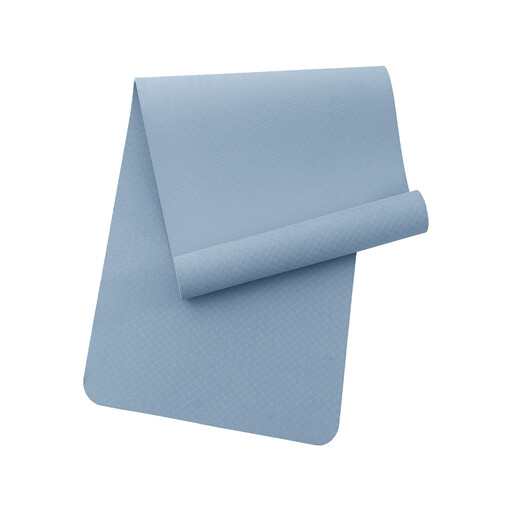
Why it suits this profile: The standard size, 6 mm thickness and included carrying strap provide a straightforward foundation for yoga, Pilates and home workouts without complicated extra features.
The product description states that it has a linear texture on the top and a wave pattern underneath. This means you know in advance what type of grip structure to expect.
183 x 61 cm, a choice of 6 mm or 10 mm according to the product information, TPE material and a carrying strap.
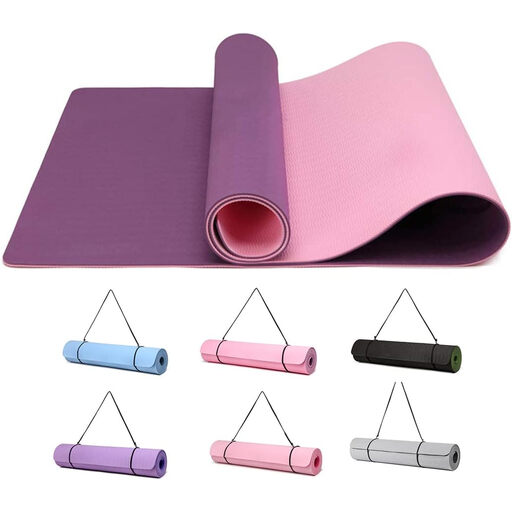
Why it suits this profile: This model combines a thickness of 6 mm with a stated weight of approximately 0.7 to 0.8 kg. It is suitable for users who regularly move between home, the studio and the gym.
The product information specifies a two-layer non-slip structure with a linear pattern on the front and a wave pattern on the back, rather than making only a general non-slip claim.
183 x 61 cm, 6 mm thick, TPE material, carrying strap and a stated weight of 0.7 kg.
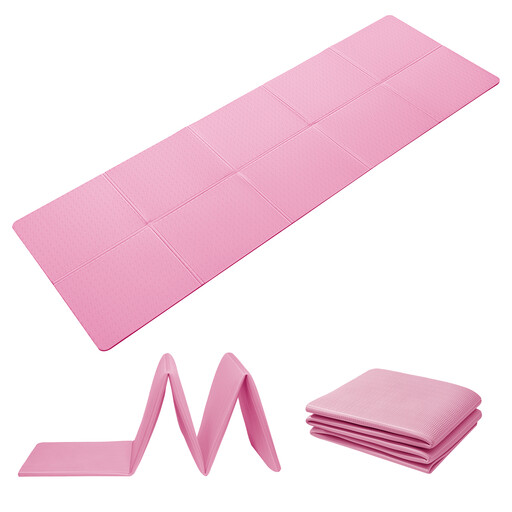
Why it suits this profile: The folding design is practical for travel, outdoor training, group classes and users with limited storage space.
The stated folded dimensions of 37 x 30 x 6 cm make its portability clear. The mat does not need to be carried as a long roll.
Folding design, 183 x 61 cm when unfolded, 6 mm thick and fitted with a non-slip texture on both sides according to the product description.
We have put together a complete, up-to-date list of products that fully meet these strict selection criteria and the applicable European safety regulations.
The lifespan of a sports mat depends on how often it is used, the surface it is used on and how well it is maintained. There is no fixed service life that applies to every yoga mat. Clean the mat after use with a damp cloth or soft sponge and allow it to dry completely in a well-ventilated room.
Avoid:
Roll up a mat in the indicated direction or fold a folding mat along its existing lines. Store it somewhere dry and away from heat sources.
For many users, 6 mm offers a useful combination of cushioning and stability. The right choice depends on the exercises and how hard the floor is. If you mainly do floor exercises and want a softer surface, you may wish to consider a thicker model.
Wipe the surface with a damp cloth or sponge and allow the mat to air-dry completely. Do not use harsh products and always follow the care instructions for the specific product.
This varies depending on the material, how often it is used and how well it is maintained. Signs of wear include a surface that remains slippery, cracks, peeling layers or deformation. Check the mat regularly and replace it when it is no longer stable and comfortable to use.
