
Vandaag of morgen in huis

Kwaliteit gegarandeerd

Welkomstaanbiedingen ontgrendelen: GRATIS bezorging | Tot 80% korting | Gratis 30 dagen JoyPlus-proefperiode
Download de app
A good yoga mat is the foundation of any practice, whether you're doing sun salutations at home or joining an intense class at the studio. But the market is flooded with options, and it's easy to fall into a few common traps. Many mats look great online but turn out to be unusable in practice. As a Joybuy Product Recommendation Officer, I'll help you see through the marketing jargon and choose a mat that truly suits your needs.
Before we look at specifications, let's first discuss the most common mistakes. These cause many people to spend money unnecessarily or end up with an unsafe mat.
To avoid a bad purchase, focus on the following three objective features. These determine the performance and lifespan of your training mat.
The material is the most important factor for grip, durability, and comfort.
The right thickness depends entirely on the type of exercises you do.
A standard yoga mat is about 183 cm long and 61 cm wide. If you're taller than average or want more room to move, consider an extra-long or wide mat. If you plan to take your mat to the gym or studio, also pay attention to the weight and whether a carrying strap is included.
Based on these objective criteria, we have selected a few products that fit different user profiles.
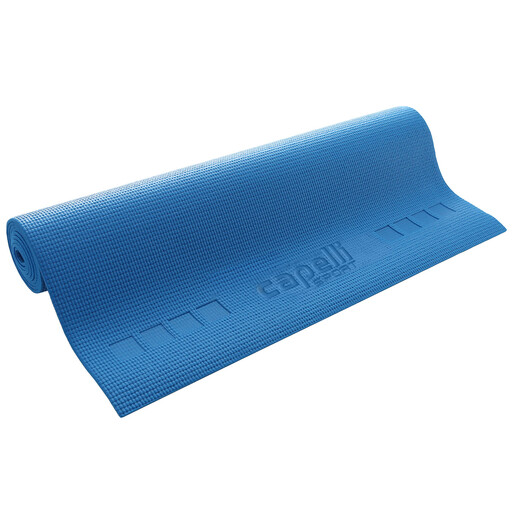
Why This Fits Their Persona: Ideal for those just starting out who don't want to invest a lot right away. This mat has a standard thickness of 4 mm, which is perfect for learning the basics of yoga or fitness and discovering if it's right for you.
You avoid the trap of overpaying for features you don't need at the beginning. It's a straightforward PVC mat that does what it needs to do for light exercises.
Very affordable with a standard thickness of 4 mm that provides enough stability for beginners. Easy to clean.
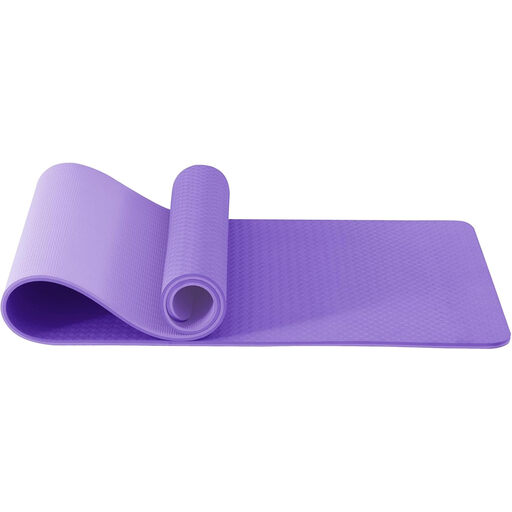
Why This Fits Their Persona: Perfect for those seeking a versatile mat for yoga, Pilates, and other floor exercises. The 10 mm thickness provides excellent cushioning for the joints, which is ideal for comfort during sit-ups or stretches on a hard floor.
This mat bypasses the "thickness isn't everything" pitfall by linking its thickness to the right purpose: comfort for floor exercises. You're not buying an unstable yoga mat, but a comfortable training mat.
Extra thick (10 mm) for superior cushioning and joint protection. Made of TPE, which offers good grip and is lighter than PVC. Includes a carrying strap.

Why This Fits Their Persona: For the yogi who practices regularly and values grip and sustainable materials. The combination of cork and TPE offers the best of both worlds: excellent grip that improves with sweat, and comfortable cushioning.
This mat directly solves the "non-slip lie." The natural properties of cork provide reliable grip, especially when you need it most during an intense or Hot Yoga session.
Top layer of natural cork for superior, moisture-wicking grip. The TPE base provides 5 mm of cushioning and stability. A more sustainable material choice.
We have compiled a complete, up-to-date list of products that meet these strict selection criteria and local regulations.
Most mats can be cleaned with a damp cloth and a mild soap solution. Avoid harsh chemicals, as they can damage the material and reduce grip. Always let the mat air dry completely before rolling it up. For materials like cork, check the manufacturer's specific instructions.
The lifespan depends heavily on the material, how often you use it, and how you maintain it. A simple PVC mat might show wear after a year of daily use. A quality TPE yoga mat or cork mat often lasts for several years. Replace your mat when you notice a significant decrease in grip or if pieces of the material start to flake off.
Not necessarily. A higher price is often linked to more expensive materials (like natural rubber or cork), a well-known brand, or a more eco-friendly manufacturing process. For a beginner who attends a class twice a week, an affordable TPE mat can be an excellent choice. The most important thing is that the mat fits your specific use, body, and budget.
