
Vandaag of morgen in huis

Kwaliteit gegarandeerd

Welkomstaanbiedingen ontgrendelen: GRATIS bezorging | Tot 80% korting | Gratis 30 dagen JoyPlus-proefperiode
Download de app
A yoga mat, exercise ball or Pilates ring may seem straightforward to choose. Yet many shoppers fall into the same traps: a mat that turns out to be too small, a non-slip layer that offers little grip on their own floor, or an accessory that ends up unused after just a few workouts. With the right specifications, you can avoid a disappointing purchase and match your yoga and fitness accessories to your space, training goals and experience.
Words such as “durable”, “professional” and “eco” mean little on their own. Look at the specific material, dimensions and care instructions. A TPE yoga mat may be lightweight and flexible, while a cork yoga mat offers a different feel and requires different care. Also check whether the mat is suitable for your floor and type of exercise.
For an exercise ball, pay attention to the PVC, diameter, maximum load and how the ball needs to be inflated. With a Pilates ring, the diameter and material are more important than general promises about muscle training.
A non-slip yoga mat can provide more grip, but its performance also depends on sweat, dust, footwear and the surface underneath. Tiled floors, wooden floors and carpets all respond differently. A mat with texture on both sides can help limit movement, but always check that the mat is lying flat before you begin.
Use an exercise ball or mini trampoline on a clear, stable surface. Keep it away from furniture and sharp objects, and inspect the material regularly.
An extra-wide mat gives you more room to move, but it also takes up more space when stored. A foldable yoga mat is convenient for train journeys, the gym or a small home, while a traditional roll-up mat is often quicker to lay out for everyday use.
Measure your workout area in advance. With an exercise ball, also check the ceiling height and the space around the ball. A 75 cm ball clearly requires more room than a 55 or 65 cm model.
For yoga, Pilates and floor exercises, these measurements are important:
A thicker mat is not automatically more suitable. Too much cushioning can actually feel less stable during balance poses. That is why you should consider the combination of thickness, texture and material.
A cork yoga mat often has a cork surface with a TPE or other supporting underside. According to the product description of the Miss Lulu Good Nite mat, the cork surface can absorb moisture and may therefore provide more grip when you perspire. This is a product claim; the grip you experience may vary depending on the user and the surface underneath.
TPE mats are generally lightweight and flexible. PVC mats can feel firm and are often easy to wipe clean. Always check the recommended cleaning method: many mats should not be put in the washing machine or left in water for extended periods.
An exercise ball, stability ball or yoga ball should suit your height and intended use. A 65 cm ball may be suitable for a range of exercises and for use at a desk, while a 75 cm ball provides more room and a higher seating position. Follow the product’s size guide and do not exceed the stated maximum load.
If you are pregnant, undergoing physiotherapy or starting a new type of training, it is sensible to seek advice from a suitably qualified healthcare or movement professional first. A product description is not personalised training advice.
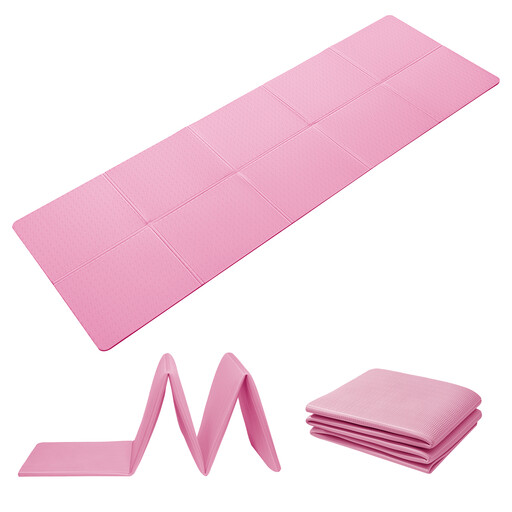
Why it suits this profile: The mat is suitable for beginners who practise at home and occasionally go to the gym or travel. According to the product information, it measures 37 × 30 × 6 cm when folded.
The dimensions and folded size are clearly stated. This allows you to check in advance whether the mat will fit in your bag and on your workout area.
TPE, 6 mm thickness, textured on both sides and a compact folding design.

Why it suits this profile: This mat is well suited to users who want to experience the difference between materials and prefer a cork surface.
The construction is clearly described: cork on top, TPE underneath and a polyester mesh layer in between.
183 × 61 × 0.6 cm, approximately 750 grams, and a combination of cork and TPE.
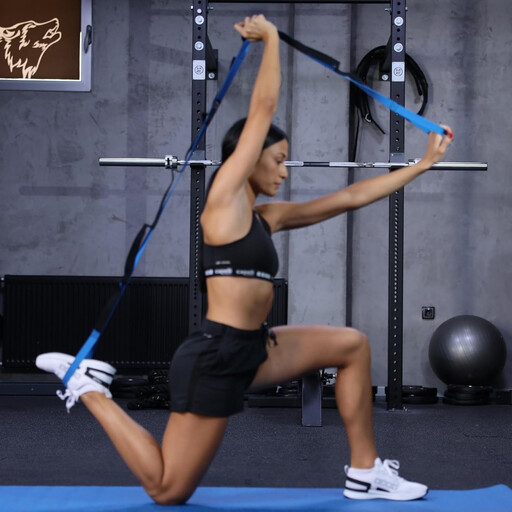
Why it suits this profile: The eight loops give users different hand positions for yoga, ballet, stretching or physiotherapy exercises.
The loops make the adjustability clear. Do not stretch the band further than intended, and stop if you feel pain or discomfort.
Eight loops, polyester material and a length of 68 inches according to the product information.
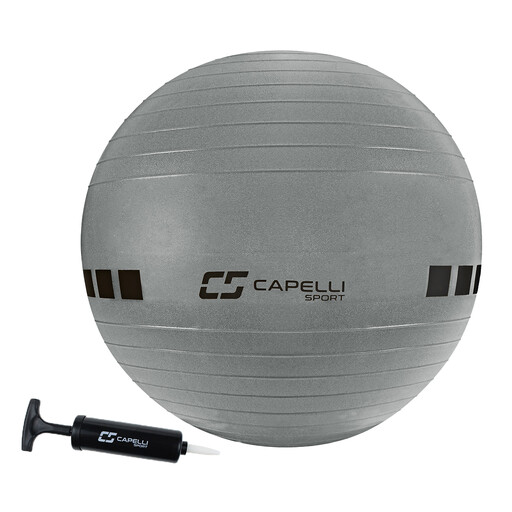
Why it suits this profile: The ball is designed for core, balance and mobility exercises and, according to the product description, can also be used as an office chair.
The 65 cm diameter and maximum load of 330 pounds are stated. Do not overinflate the ball, and do not use it on a surface with sharp objects.
PVC, non-slip and anti-burst properties according to the product information, plus a foot pump included.
For a simple home routine, a yoga mat and one small accessory are often enough. A Pilates ring adds resistance without taking up much storage space. A stretch band yoga model with loops is practical for controlled stretching exercises. If you want to work on your fitness, you could consider a mini trampoline, but first check the available space, surface and maximum user weight.
Proper care extends the useful life of yoga and Pilates accessories:
We have put together a complete, up-to-date list of products that fully meet these strict selection criteria and the applicable European safety regulations.
A mat around 6 mm thick and at least 183 cm long is a practical starting point. Also choose a surface with a clear texture and check that the dimensions suit your available space. For travelling, a foldable yoga mat is more convenient than a wide XXL mat.
There is no fixed replacement period. Look for visible wear, layers coming away, permanent deformation or noticeably reduced grip. Intensive use, direct sunlight and incorrect cleaning can shorten its lifespan. Replace the mat when it is no longer stable or lies flat.
A yoga mat provides a base for yoga, Pilates and floor exercises. Add a Pilates ring for resistance, a stretch band for flexibility or an exercise ball for balance and core exercises. Only choose accessories you will genuinely use and for which you have enough clear space.
